Zumba for Seniors: Benefits and Safety Tips
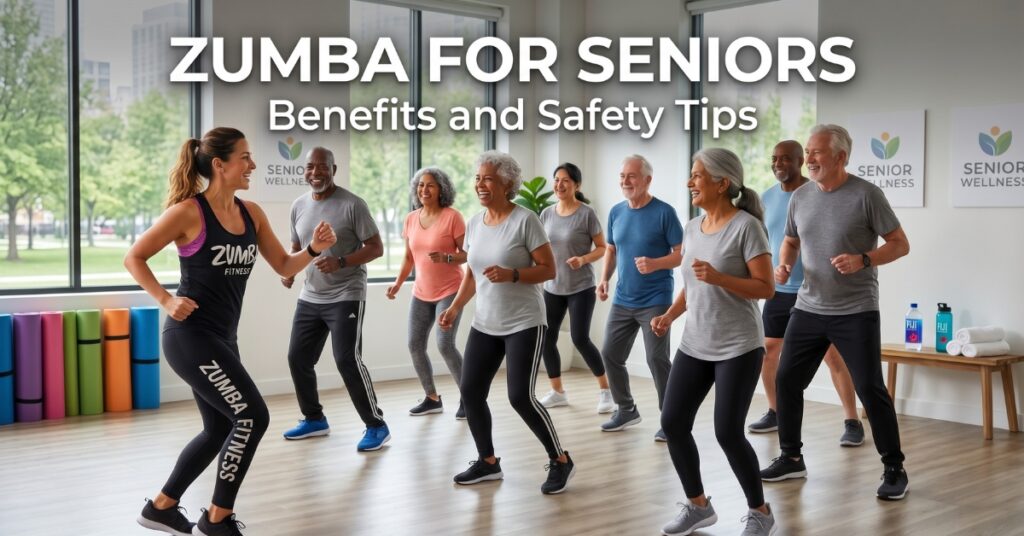
Zumba for Seniors: Benefits and Safety Tips Summary: Zumba is a fun, low-impact fitness activity that combines dance and exercise, making it an excellent option for seniors looking to stay active. Regular Zumba sessions can improve heart health, balance, flexibility, strength, and mental well-being while providing valuable social interaction. With the right precautions and guidance, seniors can safely enjoy Zumba and maintain a healthier, more active lifestyle. As people age, maintaining an active lifestyle becomes increasingly important for overall health and well-being. Regular physical activity helps improve mobility, strengthen muscles, support heart health, and enhance mental wellness. However, many seniors find traditional exercise routines repetitive or difficult to maintain. Zumba offers a refreshing alternative. Combining dance-inspired movements with energetic music, Zumba transforms exercise into an enjoyable activity. Many seniors are now embracing Zumba as a fun way to stay fit, socialize, and improve their quality of life. Whether you’re looking to boost your fitness level or simply find a workout you enjoy, Zumba can be an excellent choice for older adults. What Is Zumba? Zumba is a dance fitness program that combines aerobic exercise with dance movements inspired by various music styles, including salsa, merengue, cumbia, and international rhythms. The workout is designed to be accessible and enjoyable for participants of all fitness levels. For older adults, many fitness centers offer Zumba Gold, a modified version of the traditional program. Zumba Gold features lower-impact movements, slower-paced routines, and exercises specifically designed to improve balance, flexibility, and coordination. Benefits of Zumba for Seniors Improves Cardiovascular Health Heart health becomes a priority as we age. Zumba provides an effective aerobic workout that helps strengthen the cardiovascular system while remaining enjoyable and engaging. Regular participation can help: Improve blood circulation Increase endurance and stamina Support healthy blood pressure levels Strengthen the heart A healthier cardiovascular system can make daily activities easier and reduce the risk of certain health complications. Enhances Balance and Coordination Maintaining balance is essential for preventing falls and injuries. Zumba routines involve coordinated movements that challenge the body in a safe and controlled manner. Benefits include: Improved balance and stability Better body awareness Enhanced coordination Reduced risk of falls These improvements can help seniors maintain their independence and confidence in everyday life. Supports Healthy Weight Management Many seniors experience changes in metabolism that can make weight management more difficult. Zumba helps burn calories while keeping participants motivated through music and movement. Consistent participation can contribute to: Weight maintenance Increased calorie expenditure Better energy levels Improved overall fitness Because the workout feels more like dancing than exercising, it can be easier to stay committed long-term. Strengthens Muscles and Joints Muscle strength naturally declines with age, making regular physical activity important for maintaining mobility and function. Zumba engages multiple muscle groups through repetitive movement patterns that help: Build muscular endurance Improve joint mobility Enhance flexibility Support better posture Stronger muscles can also help reduce strain on joints and improve daily movement. Boosts Mental Health Exercise is known to positively affect mental well-being, and Zumba adds the extra benefits of music and social interaction. Participating in Zumba can help: Reduce stress Improve mood Increase self-confidence Promote emotional well-being Many seniors find that the uplifting atmosphere of a Zumba class leaves them feeling happier and more energized. Supports Cognitive Function Learning and following dance routines requires concentration, memory, and coordination. These mental challenges help keep the brain engaged. Potential cognitive benefits include: Improved memory Better focus and concentration Enhanced mental agility Increased brain stimulation Combining physical activity with mental engagement makes Zumba a valuable exercise for overall wellness. Encourages Social Connections Social interaction is an important part of healthy aging. Group fitness classes create opportunities to connect with others who share similar interests. Zumba classes can help seniors: Meet new people Develop friendships Stay socially active Reduce feelings of isolation The sense of community often becomes one of the most rewarding aspects of participating in regular classes. Safety Tips for Seniors Doing Zumba Consult a Healthcare Professional Before beginning any new exercise program, seniors should speak with their healthcare provider, particularly if they have existing medical conditions or concerns. A medical consultation can help determine whether Zumba is suitable and identify any modifications that may be necessary. Choose the Right Class Not all Zumba classes are the same. Seniors should look for beginner-friendly or senior-focused programs such as Zumba Gold. These classes are specifically designed to accommodate varying fitness levels and physical limitations. Wear Supportive Footwear Proper footwear is essential for safety and comfort. Choose athletic shoes that provide: Good arch support Cushioning Stability Non-slip soles Supportive shoes can help reduce the risk of slips, falls, and joint discomfort. Stay Hydrated Hydration plays an important role in maintaining energy and preventing fatigue during exercise. Seniors should: Drink water before class Stay hydrated during the workout Replenish fluids afterward Proper hydration supports overall health and exercise performance. Listen to Your Body Every individual has different fitness capabilities. Seniors should work at a comfortable pace and avoid pushing beyond their limits. Stop exercising and seek medical attention if you experience: Chest pain Dizziness Severe shortness of breath Unusual discomfort The goal is steady progress and enjoyment rather than intense exertion. Warm Up and Cool Down Properly A proper warm-up prepares the body for physical activity, while a cool-down helps the body recover afterward. Benefits include: Reduced injury risk Improved flexibility Better muscle recovery Gradual heart rate adjustment Most professional Zumba classes include warm-up and cool-down sessions as part of the workout. Modify Movements When Necessary Seniors should feel comfortable adapting exercises to match their abilities. Common modifications include: Reducing movement intensity Avoiding jumps Slowing down the pace Using support when needed Making adjustments allows participants to enjoy the benefits of Zumba while minimizing the risk of injury. Getting Started with Zumba as a Senior! If you’re new to Zumba, start slowly and focus on learning the basic movements. Attend beginner-friendly classes, wear comfortable clothing, and prioritize consistency over intensity. As your confidence and fitness improve, you’ll
Zumba vs Gym: Which is Better for Weight Loss?
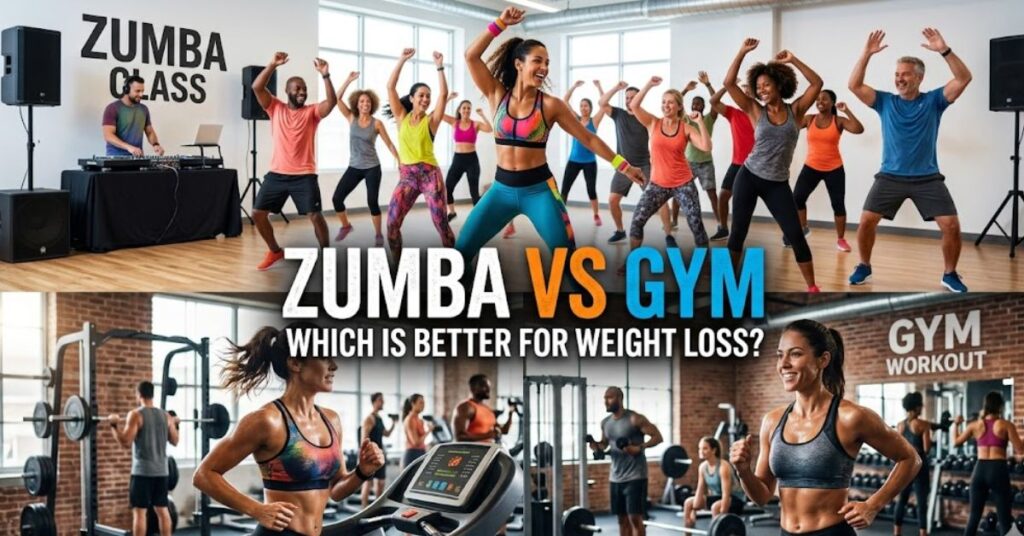
Zumba vs Gym: Which is Better for Weight Loss? Summary : If your main goal is to lose weight and stay consistent, the best workout is usually the one you actually enjoy. Zumba is great if you want a fun, high-energy, music-filled workout that helps you burn calories without feeling bored. Gym workouts are a strong choice if you want structured strength training, muscle building, and a more traditional fitness routine. If you are trying to choose between Zumba and the gym, this guide will help you understand which option fits your body, your personality, and your weight loss goals better. For many beginners, Zumba becomes easier to stick with because it feels exciting, social, and less intimidating than the gym. The real winner is not the workout that looks hardest, but the one you can keep doing regularly. Losing weight is not just about sweating more. It is about finding a routine that feels sustainable, motivating, and enjoyable enough that you do not quit halfway. That is where the real difference between Zumba and gym workouts begins. What Is The Best Way To Start Your Weight Loss Journey? Weight loss is personal. What works beautifully for one person may feel exhausting or boring for another. Some people enjoy counting reps, lifting weights, and following a strict plan at the gym. Others feel more alive when they move to music, dance freely, and stay active without watching the clock. Neither choice is wrong. The better choice is the one that matches your lifestyle and keeps you moving week after week. This is why so many people start strong but lose motivation later. The workout was effective, but it did not feel enjoyable. And when exercise becomes something you dread, consistency drops fast. For weight loss, consistency matters more than perfection. A workout that you can enjoy three or four times a week often brings better long-term results than a “perfect” workout you stop doing after two weeks. What Is The Real Difference Between Zumba And Gym Workouts? Zumba and gym workouts both support weight loss, but they work in different ways. How Zumba Works? Zumba is a dance-based fitness workout that combines music, rhythm, cardio movement, and fun choreography. It keeps your body moving continuously, which helps burn calories while improving stamina, coordination, and energy. The biggest advantage of Zumba is how it makes exercise feel lighter. You are not staring at a treadmill screen or waiting for a set to end. You are moving with music, following the beat, and enjoying the class experience. How Gym Training Works? Gym workouts usually focus on strength training, cardio machines, free weights, and structured fitness routines. They are excellent for building muscle, improving body composition, and supporting fat loss over time. Gym sessions are often more goal-focused and measurable. You can track weights, sets, reps, and progress clearly. That makes the gym a strong option for people who enjoy structure and discipline. Comparison Point Zumba Gym Training Style Of Activity Dance-based rhythmic movement Structured exercise routines Environment Energetic, social, music-driven Focused, individual or trainer-led Best For Fun weight loss and active lifestyle Strength building and muscle training Motivation Factor High due to music and group energy Depends on self-discipline Experience Level Beginner-friendly and easy to follow Can feel overwhelming for beginners Which Burns More Calories: Zumba Or Gym? This is one of the most common questions people ask when deciding between the two. In many cases, both workouts can support weight loss effectively. The exact calorie burn depends on your body weight, workout intensity, duration, and how hard you push yourself. Average Calories Burned In Zumba Zumba can burn a strong number of calories because it keeps your body moving continuously. It combines cardio, dance, and full-body motion, which makes it an excellent choice for calorie burn in a fun format. It is especially powerful for people who do not enjoy “traditional exercise” but still want to lose weight in an active way. Average Calories Burned In Gym Sessions Gym workouts can also burn a lot of calories, especially if you combine strength training with cardio. In fact, strength workouts can help you build lean muscle, which may support long-term calorie burn by improving your overall metabolism. A person who attends Zumba classes regularly for six months may see better real-world results than someone who joins the gym and quits after three weeks. That is why enjoyment is not a small factor. It is a major weight loss advantage. Why Do Beginners Choose Zumba Over Gym? For many beginners, Zumba feels much easier to start because it creates a welcoming and cheerful atmosphere from day one. Unlike a gym, where unfamiliar machines and strict routines can feel intimidating, Zumba classes are filled with music, movement, and positive energy. It feels more like joining a fun dance session than starting a difficult fitness routine. When people enjoy the experience, they naturally feel excited to come back, and that consistency is what truly helps with healthy weight loss. Another reason beginners connect so easily with Zumba is the relaxed group environment. There is no pressure to get every step perfect or worry about whether you are doing everything right. Everyone moves together, follows the instructor, and enjoys the rhythm at their own pace. This supportive setting makes people feel comfortable, confident, and motivated to keep showing up. For someone just starting their fitness journey, that sense of ease can make all the difference. What Are The Benefits Of Choosing Zumba For Weight Loss? Zumba offers much more than just calorie burning. Full-Body Fat Burn Zumba uses the arms, legs, core, and hips, which means your whole body stays active throughout the session. This makes it a powerful full-body workout that supports fat loss in an enjoyable way. Stress Relief Weight loss becomes harder when stress is high. Stress can affect motivation, sleep, and even eating habits. Zumba gives people a healthy emotional outlet. When you dance, move, and sweat to music, your mind
How Many Exams Are There in Kathak? Complete Certification Guide
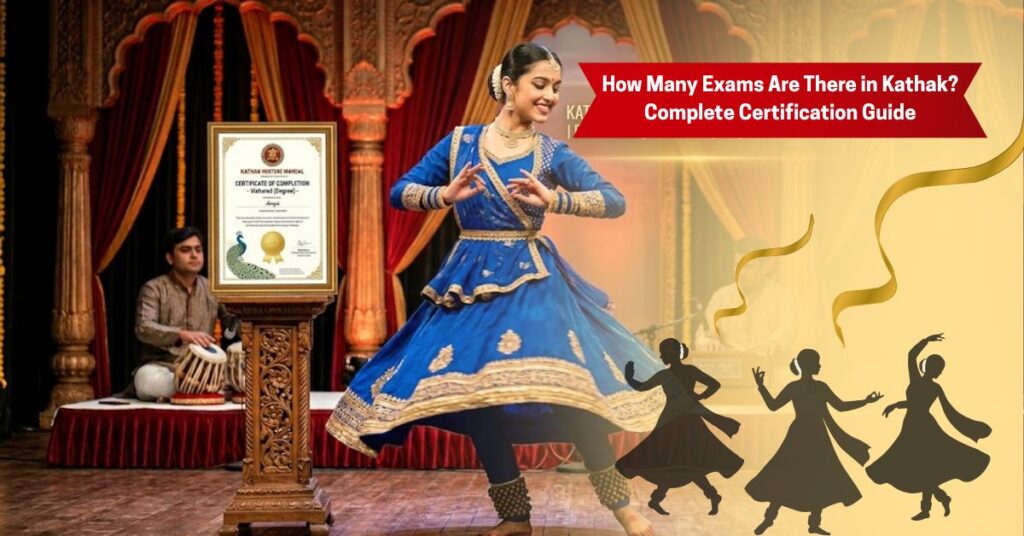
How Many Exams Are There in Kathak? Complete Certification Guide Summary : Kathak is more than a classical dance form, it is a graceful journey of rhythm, discipline, storytelling, and self-expression. In this guide, you’ll discover how Kathak exams are structured, what each level teaches, how certifications benefit students, and why joining a professional academy can help students unlock their full artistic potential. Whether you’re a parent considering classical dance for your child or an adult learner ready to embrace Kathak, this guide will help you understand the complete certification pathway. For many students and parents exploring classical dance training, one of the first questions that comes up is: How many exams are there in Kathak? The answer depends on the certification board, academy structure, and level of mastery you aim to achieve. Most structured Kathak learning pathways include 6 to 8 graded examination levels, starting from beginner certifications and progressing to advanced diplomas or professional qualifications. What Are Kathak Exams And Why Are They Important? Kathak exams are structured assessments that measure a student’s progress in classical dance training. They are designed to check not only performance skill, but also rhythm, technique, discipline, theory, expression, and understanding of the art form. In simple terms, Kathak exams give students a clear learning path. Instead of studying randomly, students move step by step through levels that build on one another. Students are assessed on things like: Footwork and rhythm Spins and posture Hand gestures and expressions Taal and laya understanding Classical compositions Dance theory and history For many learners, this structure turns Kathak from a hobby into a meaningful lifelong skill. What Are The Benefits Of Giving Kathak Exams? Kathak certification levels matter because they create clarity, discipline, and measurable growth. A student who follows an exam-based structure often learns faster and more deeply because each level has a clear goal. They Build Confidence Step By Step When students prepare for exams, they learn how to perform in front of others, manage pressure, and trust their training. This builds confidence that stays with them far beyond the dance room. They Encourage Serious Learning Kathak is an art form that deserves respect and consistency. Certification helps students take their practice seriously while still enjoying the beauty of dance. They Support Cultural Connection Every exam level strengthens a student’s understanding of Indian classical heritage. This is especially valuable for children growing up in modern cities, where culture can sometimes feel distant. Kathak brings that tradition alive in a meaningful way. They Open Future Opportunities For students who want to teach, perform, or pursue dance professionally, certification adds credibility. It shows dedication, skill, and progress over time. What Are The Different Kathak Exam Levels? The number of Kathak exam levels can vary depending on the board or academy, but most structured systems include around 6 to 8 stages. Some institutions follow beginner-to-advanced levels, while others include diploma-style or professional-grade certifications. A common progression may include: Beginner level Primary level Intermediate level Advanced level Diploma or senior level Professional mastery level At each stage, the student learns more complex movements, richer theory, and deeper artistic expression. The journey is not just about passing exams. It is about becoming a confident, graceful, and knowledgeable Kathak dancer. When Should Students Start Giving Kathak Exams? The right time to start Kathak exams depends on the student’s age, practice consistency, and overall readiness. Many children begin formal Kathak training between the ages of 5 and 8, but older children, teens, and adults can also begin successfully. For Young Children Younger students usually start with basic rhythm, posture, and simple movements. At this stage, the focus is on enjoyment, body awareness, and discipline. For Older Beginners Teenagers and adults often learn with a deeper sense of purpose. They may move through the levels faster if they are consistent and motivated. For Exam Readiness A student is usually ready for the first exam when they can: Follow rhythm accurately Repeat basic footwork confidently Understand simple dance vocabulary Perform without fear or hesitation Attend classes regularly At a good academy, teachers guide students carefully so they enter exams at the right time, not too early and not too late. Who Can Apply For Kathak Certification Exams? Kathak certification is ideal for many types of learners, not just future performers. It is valuable for anyone who wants structured classical dance learning and personal growth through art. Children Who Need Strong Foundations Kathak helps children develop posture, concentration, discipline, and memory. Certification gives them a sense of achievement and progress. Teens Who Want Skill And Confidence Teenagers often benefit from exam-based learning because it sharpens focus and gives them an artistic identity. It also helps them build confidence for cultural events and stage performances. Adults Who Want To Learn Seriously Many adults join Kathak classes later in life and want a clear path. Certification helps them stay motivated and track their growth. Aspiring Performers And Teachers Students who want to perform, teach, or represent Kathak professionally gain great value from recognized certification. It adds both skill and credibility. What Are The Stages In The Kathak Certification Journey? The Kathak certification journey is best understood as a series of steps, where each level brings new technique, more depth, and stronger artistry. Beginner Stage This stage introduces the student to the basics of Kathak. They learn posture, tatkaar, hand movements, and simple rhythm patterns. The main goal is to become comfortable and build a strong foundation. Intermediate Stage At the intermediate level, students begin to explore more challenging footwork, spins, and short compositions. Their coordination improves, and their movement becomes more controlled and expressive. Advanced Stage Advanced students are expected to show clarity, grace, and maturity. They work on complex sequences, deeper understanding of taal, and stronger abhinaya. This is where Kathak starts to feel truly powerful and refined. Theory And Performance Together A good certification path never focuses only on dance steps. Students also study the history of Kathak, terminology, and
Zumba During Pregnancy: Is It Safe?
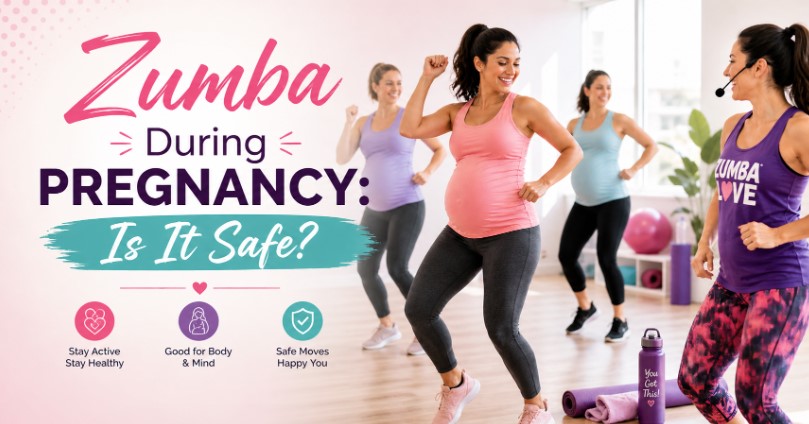
Zumba During Pregnancy: Is It Safe? Summary: Zumba during pregnancy can be a safe and enjoyable way to stay active when practiced with proper precautions and medical guidance. This blog explores the benefits, safety tips, trimester-wise considerations, and important precautions expectant mothers should know before joining a Zumba class. Pregnancy is a beautiful journey, but it also brings major physical and emotional changes. Staying active during this time is important for maintaining overall health, reducing stress, and preparing the body for childbirth. Among the many fitness options available, Zumba has become a popular choice for pregnant women because it combines dance, music, and cardio exercise in a fun and engaging way. But one common question many expectant mothers ask is: Is Zumba safe during pregnancy? The answer is yes — in many cases, Zumba can be safe during pregnancy when performed carefully and with medical approval. However, there are important precautions every pregnant woman should understand before joining a class or starting a workout routine. What Is Zumba? Zumba is a dance-based fitness program that combines energetic movements with music inspired by Latin and international dance styles. It includes cardio exercises, light strength movements, and rhythmic choreography that help improve fitness while making workouts enjoyable. Unlike traditional gym workouts, Zumba feels more like dancing than exercising, which is one reason it appeals to many women during pregnancy. Benefits of Zumba During Pregnancy When practiced safely, Zumba can offer several physical and emotional benefits for pregnant women. 1. Helps Maintain a Healthy Weight Regular physical activity during pregnancy can help prevent excessive weight gain. Zumba keeps the body active through low to moderate-intensity cardio movements that burn calories and support healthy weight management. 2. Improves Mood and Reduces Stress Pregnancy hormones can sometimes lead to mood swings, anxiety, and stress. Dancing to upbeat music releases endorphins, which naturally improve mood and reduce stress levels. Many women find Zumba sessions uplifting and emotionally refreshing. 3. Boosts Blood Circulation Movement-based exercises like Zumba help improve blood circulation throughout the body. Better circulation may reduce swelling in the legs and feet, which is common during pregnancy. 4. Increases Stamina and Energy Labor and delivery require physical endurance. Staying active through Zumba may help improve stamina and overall energy levels during pregnancy. 5. Supports Better Sleep Pregnant women often struggle with sleep problems. Moderate exercise can help the body relax and promote better sleep quality. 6. Encourages Social Interaction Joining a pregnancy-friendly Zumba class allows women to connect with others, stay motivated, and enjoy a positive social environment. Is Zumba Safe During Pregnancy? For many healthy pregnancies, Zumba can be safe with modifications. However, every pregnancy is different, and safety depends on several factors, including: Your fitness level before pregnancy Your trimester Medical conditions or complications Workout intensity Doctor’s recommendations Before starting or continuing Zumba during pregnancy, it is important to consult your healthcare provider. Women with high-risk pregnancies or medical complications may be advised to avoid certain exercises. Best Types of Zumba for Pregnant Women Not all Zumba classes are suitable during pregnancy. High-impact routines with jumping, twisting, or rapid movements may increase discomfort or risk. Safer options include: Prenatal Zumba Some instructors offer pregnancy-specific Zumba classes designed with safer movements and lower intensity. Low-Impact Zumba Low-impact routines avoid excessive jumping and reduce pressure on the joints and pelvic area. Zumba Gold Originally designed for older adults and beginners, Zumba Gold uses slower and gentler movements that can also work well for pregnant women. Safety Tips for Doing Zumba During Pregnancy Following proper precautions is essential for protecting both mother and baby. 1. Get Medical Approval Always speak with your doctor before starting any exercise program during pregnancy. 2. Avoid Overheating Pregnant women can become overheated more easily. Choose a cool environment, wear breathable clothing, and stay hydrated throughout the workout. 3. Listen to Your Body Pregnancy is not the time to push physical limits. Stop immediately if you feel: Dizziness Shortness of breath Chest pain Nausea Contractions Vaginal bleeding 4. Modify High-Impact Movements Avoid: Jumping Sudden twisting Fast spins Deep bends Intense abdominal movements Choose slower, controlled movements instead. 5. Maintain Balance As pregnancy progresses, the body’s center of gravity changes. This increases the risk of falling. Focus on stable movements and avoid routines that require quick directional changes. 6. Stay Hydrated Drink water before, during, and after the session to prevent dehydration. 7. Wear Proper Footwear Supportive athletic shoes help reduce strain on the knees, ankles, and lower back. Zumba During Each Trimester First Trimester Many women can continue their normal Zumba routine during the first trimester if they feel comfortable and have no complications. Fatigue and nausea may affect energy levels, so workouts may need adjustment. Second Trimester This is often the most comfortable phase for exercise. However, balance changes become more noticeable, making low-impact modifications important. Third Trimester During the final months, intense cardio and fast dance routines may become uncomfortable. Gentle movement, stretching, and slower Zumba routines are generally safer choices. Who Should Avoid Zumba During Pregnancy? Certain medical conditions may make Zumba unsafe during pregnancy. Women should avoid or stop exercising if they have: Placenta previa Severe anemia High blood pressure Heart or lung disease Risk of preterm labor Persistent bleeding Cervical complications Always follow medical guidance regarding exercise restrictions. Can Beginners Start Zumba While Pregnant? Yes, some beginners can safely start low-impact Zumba during pregnancy with doctor approval. However, it is important to begin slowly and avoid intense sessions. Women who were active before pregnancy often adapt more easily to Zumba workouts compared to complete beginners. A trained instructor who understands prenatal fitness can also help modify movements safely. Tips for a Safe Prenatal Zumba Routine Here are a few simple ways to make Zumba safer during pregnancy: Exercise at moderate intensity Take frequent breaks Keep movements controlled Avoid exhaustion Choose prenatal-certified instructors Focus on enjoyment rather than performance The goal is to stay healthy and active — not to achieve extreme fitness results. Staying Active
From Anxiety to Energy: Why Zumba is the Workout Your Mind Needs
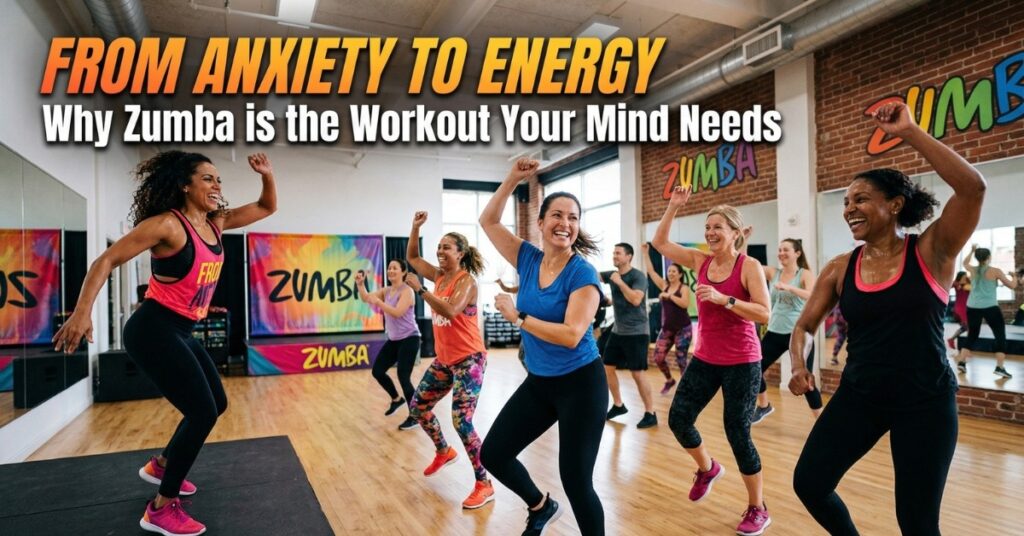
From Anxiety to Energy: Why Zumba is the Workout Your Mind Needs Summary: Zumba is more than just a fun dance workout, it’s a powerful tool for mental well-being. By combining music, movement, and social interaction, Zumba helps reduce anxiety, boost mood, and increase overall energy levels. This blog explores how Zumba transforms stress into vitality, the science behind its mental health benefits, and why it might be the perfect workout for your mind. Anxiety has become a common companion for many. Long work hours, constant digital stimulation, and mounting responsibilities can leave us feeling overwhelmed and mentally drained. While traditional workouts like running or weightlifting are beneficial, not everyone finds them engaging enough to stick with. That’s where Zumba steps in—a vibrant, music-driven workout that not only gets your body moving but also rejuvenates your mind. What is Zumba? Zumba is a dance-based fitness program that blends Latin and international music with easy-to-follow dance moves. It feels more like a party than a workout, which is exactly why it’s so effective. Unlike rigid exercise routines, Zumba encourages freedom of movement, allowing participants to let go of stress and simply enjoy the rhythm. The Connection Between Movement and Mental Health Before diving into why Zumba is so powerful, it’s important to understand how physical activity impacts mental health. Exercise stimulates the release of endorphins—often called “feel-good hormones.” These chemicals help reduce pain perception and trigger positive feelings. Additionally, physical activity lowers levels of cortisol, the stress hormone responsible for anxiety and tension. Regular movement can also improve sleep, enhance focus, and boost self-confidence. Zumba takes these benefits to the next level by combining movement with music and social interaction. How Zumba Helps Reduce Anxiety? Music as Therapy Music plays a crucial role in emotional regulation. Upbeat rhythms and lively beats used in Zumba can instantly lift your mood. Studies show that music can reduce anxiety, slow heart rate, and lower blood pressure. When paired with movement, its impact becomes even stronger. Mindfulness Through Movement Zumba requires you to focus on steps, timing, and coordination. This shifts your attention away from anxious thoughts and anchors you in the present moment. It acts as a form of moving meditation, helping your mind break free from cycles of worry. Release of Built-Up Stress Anxiety often manifests as physical tension—tight shoulders, clenched jaws, or restlessness. Zumba provides an outlet to release this stored energy. Every step, jump, and spin helps your body let go of stress. Social Connection Zumba classes are typically group-based, creating a sense of community. Being around others who are sharing the same experience can reduce feelings of isolation, a common trigger for anxiety. Zumba Benefits for Mind & Energy Feature Mental Benefit Energy Boost Music & Dance Reduces stress Instant uplift Movement Lowers anxiety Improves stamina Group Classes Builds connection Keeps you motivated Cardio Releases endorphins Increases energy Boosting Energy Levels the Fun Way One of the most surprising benefits of Zumba is how it transforms fatigue into energy. Improved Blood Circulation The dynamic movements in Zumba increase blood flow, delivering oxygen and nutrients to your muscles and brain. This results in a natural energy boost. Breaking the Sedentary Cycle Many people feel tired not because they’re overactive, but because they’re inactive. Sitting for long periods can make you sluggish. Zumba gets your body moving, instantly combating lethargy. Dopamine Boost Zumba doesn’t just release endorphins—it also boosts dopamine, the neurotransmitter associated with motivation and pleasure. This creates a sense of accomplishment and keeps you coming back for more. Why Zumba is Different from Other Workouts? Unlike traditional workouts that can feel repetitive, Zumba thrives on variety and excitement. Each session includes different songs and routines, keeping boredom at bay. No pressure for perfection Inclusive for all fitness levels Fun-focused approach This combination makes Zumba highly sustainable—people are more likely to stick with it long-term, which is key for mental health benefits. Building Confidence and Self-Esteem Anxiety often chips away at self-confidence. Zumba helps rebuild it in subtle but powerful ways. Mastering new dance steps gives a sense of achievement Regular participation improves body image and self-awareness The supportive environment encourages self-expression without judgment Over time, this confidence extends beyond the dance floor into daily life. The Science Behind the Happiness Research supports the mental health benefits of dance-based workouts like Zumba. Studies have shown that dance can: Reduce symptoms of depression and anxiety Improve cognitive function Enhance emotional resilience The combination of aerobic exercise, rhythm, and social engagement creates a holistic mental health boost that few other workouts can match. Tips to Get Started with Zumba If you’re new to Zumba, starting can feel intimidating—but it doesn’t have to be. Start at home with beginner-friendly videos Join a group class for motivation Wear comfortable clothing and proper shoes Focus on fun, not perfection Stay consistent for best results Turning Anxiety into Joy! The beauty of Zumba lies in its ability to transform negative energy into something positive. What starts as stress or anxiety gradually turns into movement, rhythm, and joy. It’s not just about burning calories—it’s about freeing your mind. In a world where mental health challenges are rising, finding an activity that feels less like a chore and more like a celebration is invaluable. Zumba offers exactly that—a space where you can let go, recharge, and reconnect with yourself. If you’re looking to experience this transformation firsthand, explore the best zumba classes in Dubai to begin your journey toward a healthier body and a happier mind. FAQs Can Zumba really help with anxiety? Yes, Zumba helps reduce anxiety by releasing endorphins, lowering stress hormones, and promoting mindfulness through movement and music. Do I need dance experience to join Zumba? No, Zumba is designed for everyone. The steps are simple, and the focus is on fun rather than perfection. How often should I do Zumba for mental health benefits? Practicing Zumba 2–4 times a week can significantly improve mood, reduce stress, and boost energy levels. Is Zumba suitable for beginners?
Costumes, Music & Instruments Used in Kathak Dance
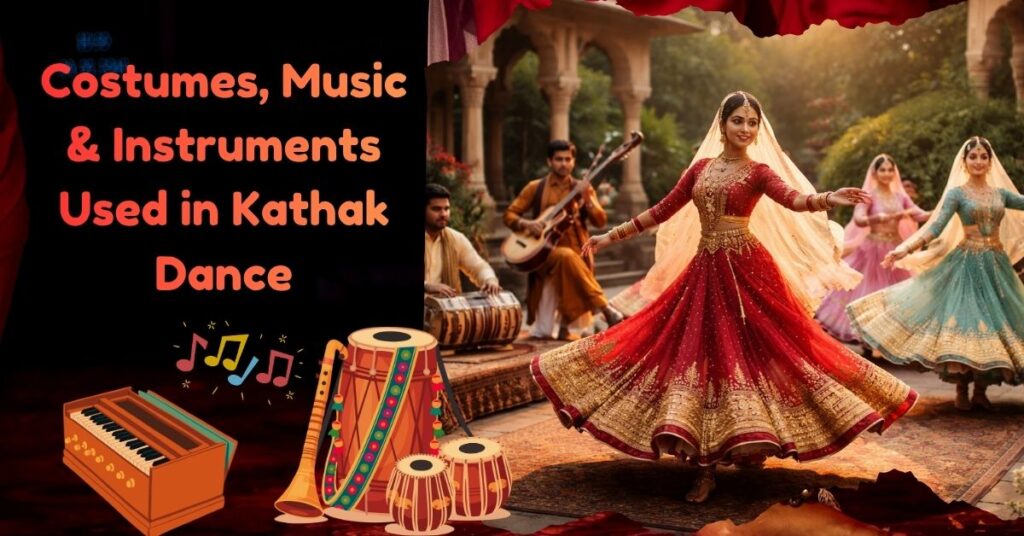
Costumes, Music & Instruments Used in Kathak Dance Summary: The kathak dance is one of the most graceful and expressive forms of Indian classical dance. Known for its intricate footwork, spins, and storytelling, this Kathak classical dance form beautifully blends rhythm, emotion, and tradition. When talking about kathak dance, its costumes, music, and instruments play a crucial role in enhancing every Kathak dance performance. If you want to know all about kathak, understanding its visual and musical elements is essential. From the elegant kathak dress to the rhythmic beats of instruments, every detail contributes to making Kathak dance art truly mesmerizing. What is Kathak Dance and Why is it So Expressive? The kathak dance is a traditional storytelling dance form that originated in North India. It is known for expressing stories through hand gestures, facial expressions, and rhythmic footwork. This best Indian classical Kathak dance has evolved over centuries into a refined and captivating performance art. When we talk about kathak dance, its beauty lies in how dancers combine movement with emotion. Every spin, step, and expression adds depth, making Kathak dance art not just a performance but a powerful storytelling experience. What is the Importance of Kathak Dance in Indian Culture? The kathak dance holds deep cultural and historical significance in India. It reflects traditions, mythology, and storytelling through movement. This Kathak classical dance form has been preserved for generations as a symbol of artistic heritage. When we talk about kathak dance, its importance goes beyond entertainment. It promotes discipline, creativity, and cultural awareness. The beauty of Kathak dance art lies in its ability to connect the past with the present. What Are the Costumes Used in Kathak Dance That Bring Elegance in Every Movement? The kathak dress plays a significant role in enhancing the beauty of a performance. Traditional costumes include: Anarkali-style long frock with churidar Lehenga and choli with dupatta Angrakha-style costume for a royal look Ghungroo (ankle bells) for rhythmic sound Dupatta draped gracefully for expression A well-designed costume for kathak highlights the dancer’s spins and movements. The flowing fabric adds elegance, making every Kathak dance performance visually appealing. In Indian classical Kathak dance, costumes are not just about appearance—they help express character and emotion. The right kathak dress enhances storytelling and brings the performance to life. Which Types of Music Are Used in Kathak Dance? Music is the heartbeat of kathak dance and sets the rhythm for every movement. Key elements include: Classical Hindustani music Vocal compositions (thumri, bhajan) Rhythmic syllables (bols) Tabla and percussion beats Harmonium and melodic support The music in this Kathak classical dance form creates the foundation for expressions and timing. Every beat guides the dancer’s footwork and gestures. When learning about kathak dance, understanding music is essential. It connects the dancer with the audience, making the Kathak dance art more immersive and emotional. Which Are the Instruments Used in Kathak Dance to Create Rhythm and Harmony? Instruments are vital in shaping a Kathak dance performance. Common instruments include: Tabla for rhythm and beats Harmonium for melody Sarangi for emotional depth Pakhawaj for traditional compositions Manjira for supporting rhythm These instruments used in kathak dance work together to create a rich musical environment. The tabla, in particular, is central to synchronizing footwork in kathak dance. In Indian classical Kathak dance, instruments do more than provide music—they interact with the dancer. This connection enhances timing, precision, and overall performance quality. Which Features of Kathak Dance That Make It Unique? The uniqueness of kathak dance lies in its distinctive elements: Fast and intricate footwork (tatkaar) Graceful spins (chakkars) Expressive storytelling (abhinaya) Strong rhythm and timing Blend of Hindu and Mughal influences Each feature contributes to making this Kathak classical dance form both dynamic and expressive. The balance of technique and emotion sets it apart from other dance styles. When exploring all about kathak, these features define its identity. They showcase why Kathak dance art continues to captivate audiences worldwide. How to Learn Kathak Dance Step by Step for Beginners? Learning kathak dance requires patience, practice, and proper guidance. Beginners can start with: Basic footwork (tatkaar) Tatkaar is the foundation of kathak dance, focusing on rhythmic foot movements. It helps dancers develop timing, coordination, and control. Hand movements and postures Graceful hand gestures and correct body posture enhance expression in Kathak dance art. They play a key role in storytelling and visual appeal. Understanding rhythm and counting Rhythm is essential in the Kathak classical dance form, as every step follows a beat cycle. Learning counting helps maintain synchronization with music. Practicing spins and balance Spins (chakkars) are a highlight of Kathak dance performance, requiring balance and precision. Regular practice improves stability and elegance. Learning simple compositions Beginners start with short dance sequences to understand structure and flow. These compositions build confidence and prepare dancers for advanced routines. If you want to learn Kathak dance at home, consistency is key. However, professional training can help you master the techniques of this Indian classical Kathak dance more effectively. How to Prepare for Your First Kathak Stage Performance : Focus on mastering basic footwork, expressions, and timing through regular practice. Build confidence by rehearsing in costume and coordinating with music and instruments beforehand. Join Upaj Academy to Master Kathak Dance! If you are passionate about kathak dance and want to explore all about kathak, Upaj Academy is the perfect place to begin your journey. With expert guidance and structured training, you can learn everything from basic steps to advanced Kathak dance performance techniques. At Upaj Academy, we focus on building strong foundations in Indian classical Kathak dance classes in Dubai, including proper footwork, expressions, and understanding of music and costumes. Whether you are a beginner or looking to refine your skills. Contact us and know about our academy to help you grow confidently in the world of Kathak dance art. Frequently Asked Questions What is Kathak dance? Kathak dance is a traditional Indian classical Kathak dance form known for storytelling through footwork, spins,
How to Improve Your Zumba Performance Faster?
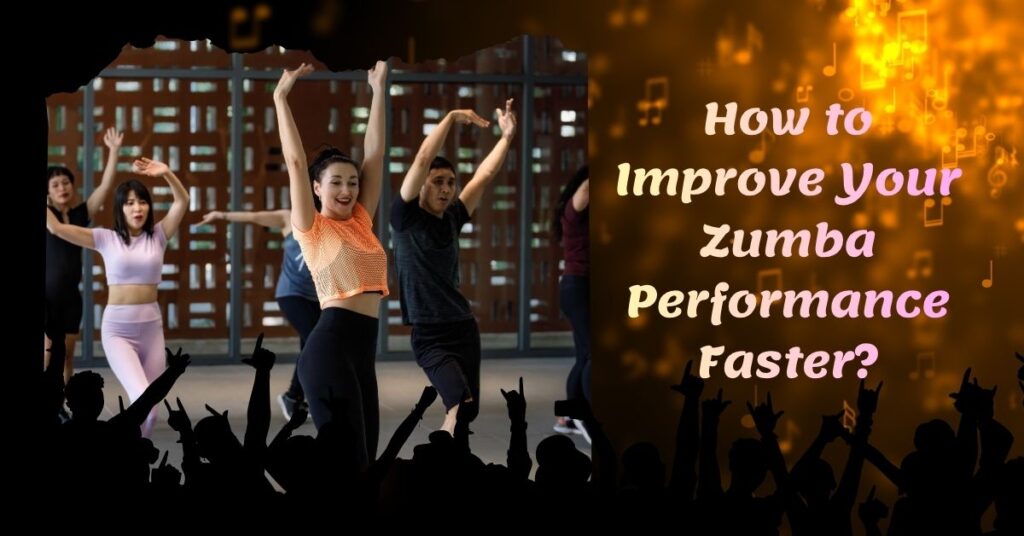
How to Improve Your Zumba Performance Faster? Summary: Zumba has become one of the most popular ways to stay fit while having fun. But if you want to go beyond basic moves and truly stand out, you need to focus on improving your Zumba performance. Whether you’re just starting or already attending regular zumba classes, enhancing your skills can help you build confidence, stamina, and stage presence. Before diving deeper, let’s quickly understand what zumba is. It is a high-energy zumba dance fitness program that combines Latin and international music with choreographed moves. From a beginner-friendly zumba workout for beginners to advanced routines, Zumba is suitable for everyone. What Are the Key Ways to Improve Your Zumba Performance Faster? Practice consistently with a structured zumba practice routine Focus on rhythm, timing, and zumba rhythm and coordination Learn and refine zumba choreography steps Build stamina through regular zumba fitness workout Follow expert zumba instructor techniques Improving your Zumba performance doesn’t happen overnight. It requires consistency, patience, and the right approach. By focusing on these key areas, you can gradually enhance your movements, confidence, and overall performance. In addition, combining different training methods like strength exercises and flexibility routines can boost your energy levels. This helps you perform better during both regular sessions and zumba stage performance. How Does Practicing Daily Improve Your Zumba Skills? A consistent zumba daily routine plays a major role in improving your overall performance. When you practice regularly, your body starts developing muscle memory, which makes your zumba dance movements smoother and more natural. Daily practice also helps improve endurance, allowing you to perform longer sessions and increase your zumba calories burned. Over time, you’ll notice better coordination, improved timing with music, and quicker transitions between steps, all of which are essential for a confident performance. Even if you are unable to attend zumba classes, you can still continue your practice with zumba at home. Following a simple routine helps you stay consistent and avoid losing progress. Regular practice not only builds confidence but also prepares you for more advanced routines and even zumba stage performance. Staying dedicated to your routine ensures steady improvement and keeps your fitness journey on track. What Are the Best Zumba Exercises to Enhance Performance? Cardio-based Zumba Exercises for Stamina These exercises help improve your endurance and keep your energy levels high during long Zumba sessions. They also support better heart health and overall fitness. Core Strengthening for Balance and Posture A strong core helps you maintain proper posture and stability while performing different Zumba moves. It also reduces the risk of injury during intense routines. Flexibility Workouts for Smoother Movements Flexibility training allows your body to move more freely and gracefully. This makes your zumba dance look more fluid and visually appealing. High-intensity Zumba Workout Sessions These sessions boost your strength, speed, and calorie burn. They prepare your body for performing high-energy and advanced Zumba routines. Repetition of Zumba Choreography Steps Practicing steps repeatedly helps you remember routines easily and perform them with confidence. It also improves accuracy and timing in your performance. Practicing a variety of zumba exercises also prepares your body for advanced movements. Over time, this helps you transition from zumba for beginners to mastering advanced zumba moves. How Can You Master Zumba Choreography and Advanced Moves? Breaking down routines into smaller steps is one of the most effective ways to improve your performance. It helps you understand each movement clearly and avoid confusion during a zumba dance session. When you practice advanced zumba moves slowly at first, your body gets used to the technique and form, reducing mistakes. Focusing on body isolation and control allows you to execute each step with precision, making your overall performance look more polished and professional. Learning from experienced trainers is equally important. By watching and following zumba instructor techniques, you can pick up styling, expressions, and proper posture. Repeating the same zumba choreography steps regularly helps build confidence and improves timing with the music. As you continue practicing, your movements become smoother and more natural, helping you perform better in both regular sessions and zumba stage performance. What Are the Best Tips for Zumba Stage Performance? Maintain eye contact and smile confidently Use expressive body language Stay in sync with music beats Wear comfortable and stylish outfits Practice full zumba routine for performance Performing on stage requires more than just knowing the steps. Following these zumba dance performance tips can help you stand out and leave a lasting impression on your audience. A strong zumba stage performance comes from confidence and preparation. The more you practice your routine, the more natural and energetic your performance will feel. How Does Zumba Help in Fitness and Weight Loss? Zumba is not just about dancing, it’s also a powerful zumba fitness workout that helps in burning calories and improving overall health. Many people choose zumba for weight loss because it combines fun with effective exercise. Compared to traditional workouts like zumba vs gym, Zumba feels less monotonous and more engaging. Regular sessions can significantly increase zumba calories burned, making it a great option for staying fit and active. Why Is Joining Zumba Classes Better Than Practicing Alone? While zumba at home is convenient, joining professional zumba classes offers structured learning and expert guidance. At the best zumba dance classes in Dubai, you get access to experienced trainers who use proven zumba instructor techniques to help you improve faster and perform with confidence. Their step-by-step approach ensures that you learn the right form, timing, and energy required for an effective zumba workout. Being part of a class also keeps you motivated and disciplined. You get the opportunity to learn from others, correct your mistakes, and stay consistent with your zumba fitness journey. Group sessions create a positive and energetic atmosphere that pushes you to perform better every day. With regular practice and expert support, you can enhance your skills, build stamina, and take your zumba performance to the next level. Turn Your
The Role of Silence and Pause in Kathak Performance
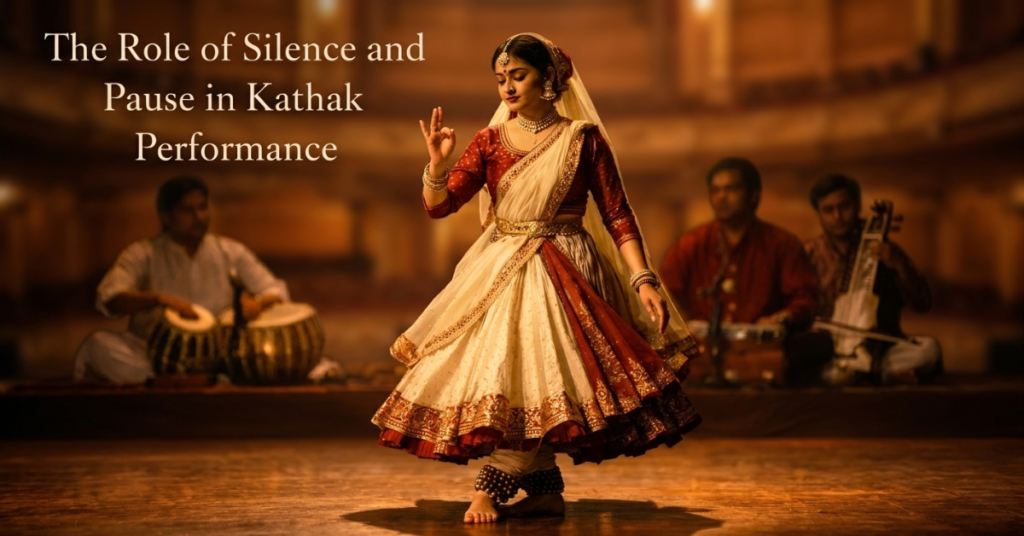
The Role of Silence and Pause in Kathak Performance Summary:-Kathak is often recognized for its rhythmic footwork, graceful spins, and expressive storytelling. The sound of ghungroo following the beats of the tabla creates a dynamic flow throughout the performance. Yet, alongside these movements and sounds, there are quieter moments that play an equally important role. Silence and pause are subtle elements that shape the rhythm and emotional depth of a Kathak performance. They allow dancers to highlight technique, emphasize expressions, and create space for the audience to absorb what is happening on stage. Rather than interrupting the dance, these moments of stillness help bring balance to the performance. Movement and Stillness in Kathak A Kathak performance is not built on constant motion. Instead, it is structured through a thoughtful balance between movement and stillness. Dancers often move through sequences of footwork, spins, and gestures, followed by brief moments where the body becomes still. These pauses help mark transitions within the choreography. They also allow the audience to notice details that might otherwise be missed, such as the precision of footwork or the clarity of a pose. In this way, stillness becomes part of the rhythm of the dance. Understanding Silence and Pause Although silence and pause often appear together, they serve slightly different purposes within a Kathak performance. A pause usually refers to a brief stop in the dancer’s movement. This might occur after completing a rhythmic phrase, a spin, or before beginning a new sequence. Pauses help organize the choreography and give structure to the performance. Silence, on the other hand, relates more to the soundscape of the performance. It may occur when the music softens or briefly stops, allowing the dancer’s expressions or gestures to become the main focus. When silence and pause occur together, they create a moment where the audience’s attention naturally settles on the dancer’s presence and expression. Silence vs Pause in Kathak: A Quick Comparison Although silence and pause often appear together in a Kathak performance, they highlight different aspects of the dance. Pause in Kathak A brief stop in the dancer’s movement. Usually appears after spins, footwork, or rhythmic compositions. Helps mark the end of a sequence and prepare for the next one. Emphasizes posture, balance, and technical control. Silence in Kathak A moment when the music softens or briefly stops. Draws attention to expressions and gestures. Adds emotional depth during storytelling sections. Helps the audience focus on the dancer’s presence. When used together, silence and pause create a balanced moment on stage where both movement and sound briefly step back, allowing the audience to fully appreciate the performance. How Pauses Shape Rhythm? Rhythm plays a central role in Kathak, and pauses help make that rhythm clearer. Dancers often perform rhythmic compositions that build in complexity. After completing a sequence such as a tukra or a tihai a brief pause may follow. This pause signals the end of the rhythmic phrase and gives the audience a moment to register the pattern. These pauses help maintain clarity within the performance, especially when the rhythm becomes fast or intricate. Silence in Expressive Sections Kathak is also known for its expressive storytelling where dancers use gestures and facial expressions to portray emotions or narrative elements. In these moments, silence can be particularly effective. When the music softens or briefly pauses, the focus naturally shifts to the dancer’s expression and movement. This quiet space allows the emotion of the scene to come forward more clearly. The audience is given a moment to connect with the feeling being conveyed before the dance continues. Creating Balance Within the Performance Silence and pause contribute to the overall balance of a Kathak performance .continuous movement can feel overwhelming, especially when sequences become fast and complex. Moments of stillness help slow the pace slightly and create contrast within the choreography. They also give dancers the opportunity to transition smoothly into the next section of the performance. Through this balance, the performance maintains both clarity and visual interest. Interaction with Music In traditional Kathak performances, dancers often perform alongside live musicians. This creates an ongoing interaction between movement and music. A dancer may pause after completing a rhythmic phrase, allowing the tabla player to respond. Similarly, a short silence in the music can signal a shift in the choreography. These subtle exchanges add depth to the performance and highlight the close relationship between dance and music in Kathak. The Control Behind Stillness Holding a still pose after a series of movements requires control and balance. After fast spins or intricate footwork ,remaining steady demonstrates the dancer’s training and focus. These moments also reflect the dancer’s awareness of timing. Knowing when to pause or remain still is just as important as executing the movements themselves. In this way, stillness becomes another aspect of technique within Kathak. Appreciating the Subtle Elements of Kathak Silence and pause may seem like small details, but they contribute significantly to the overall experience of a Kathak performance. They help shape rhythm, support storytelling, and bring clarity to the choreography. By paying attention to these quieter moments, audiences can gain a deeper appreciation of the balance and thought that goes into every performance. Discover the Art of Kathak! Learning Kathak involves more than practicing steps and rhythm. It also involves understanding timing, expression, and the thoughtful use of stillness within movement. At Upaj Academy , students receive structured training that focuses on both technique and artistic expression. With guidance from experienced instructors, learners gradually understand how rhythm, movement, silence, and pause work together to create a balanced performance. If you are interested in experiencing the elegance of this classical dance form, exploring the best Kathak Dance classes in Dubai can be a great step toward learning the depth and beauty of Kathak. Frequently Asked Questions Why are pauses important in Kathak dance performances? Pauses help structure the choreography and highlight important movements. They allow the audience to appreciate the rhythm, precision, and expression of the dancer before the next sequence begins. How does silence enhance
How Many Calories Can a 45-Minute Zumba Class Burn?
How Many Calories Can a 45-Minute Zumba Class Burn? Summary:-A Zumba class is more than just a dance session—it’s an energetic cardio workout that helps the body stay active while burning calories. In a typical 45-minute Zumba class, participants can burn approximately 250 to 450 calories, depending on body weight, workout intensity, and fitness level. Because Zumba combines rhythmic dance movements with aerobic exercise, it keeps the heart rate elevated and engages multiple muscle groups at the same time. This combination not only helps burn calories but can also support weight loss, stamina, and overall fitness when practiced consistently. For many people, the biggest advantage of Zumba is that it makes exercise feel enjoyable. The music, group energy, and dynamic routines often encourage participants to stay active for longer periods without feeling like they are doing a traditional workout. What Makes Zumba a High-Calorie-Burn Workout? Zumba is designed to keep the body moving throughout the session. Instead of repetitive exercises, participants follow dance routines that blend different music styles and tempos. These routines often alternate between high-energy movements and slower recovery steps, creating a pattern similar to interval training. This approach raises the heart rate, improves cardiovascular endurance, and encourages the body to burn more calories during the workout. Another factor that contributes to calorie burn is full-body engagement. Zumba movements involve the legs, hips, core, and arms, meaning several muscle groups work simultaneously throughout the class. How Many Calories Can You Burn in Different Zumba Session Lengths? While the exact number of calories burned varies from person to person, the duration of the workout also plays an important role. Many people search for calorie estimates for different class lengths. Below is a general idea of how calorie burn can vary depending on workout duration: Zumba Session Length Estimated Calories Burned 15 minutes 80 – 150 calories 30 minutes 180 – 300 calories 45 minutes 250 – 450 calories 60 minutes 350 – 600+ calories These numbers may increase if the workout is performed with higher intensity or stronger movement. For many participants, 45 minutes provides a balanced session long enough to burn a significant number of calories while still being manageable for beginners and regular fitness enthusiasts. How Zumba Gets Your Entire Body Moving? One of the most exciting things about Zumba is that your whole body stays active from the first song to the last beat. Instead of repeating the same motion, every routine mixes different dance moves that naturally engage multiple muscles at once. Here’s how different parts of your body stay involved during a Zumba session: Legs power the movement Quick steps, side shuffles, lunges, and jumps keep your legs constantly moving and provide the main energy for the workout. Arms add intensity Arm swings, punches, and rhythmic hand movements increase the effort level and help raise your heart rate. Core keeps you balanced Twists, turns, and hip movements activate your core muscles, helping you maintain balance and coordination. Your whole body follows the rhythm As the music changes, your body naturally shifts between faster and slower moves, creating a dynamic full-body workout that never feels repetitive. Because every song brings a different combination of steps, Zumba keeps you moving, sweating, and enjoying the workout without feeling like you’re doing traditional exercise. Can Zumba Help With Weight Loss? Zumba can play a supportive role in weight loss because it combines cardio exercise, calorie burning, and continuous movement. Weight loss typically occurs when the body burns more calories than it consumes, and regular Zumba sessions can help increase daily energy expenditure. Consistent participation may contribute to: Increased calorie burn Improved cardiovascular fitness Higher overall physical activity levels Gradual and sustainable weight management Because the workout feels engaging and enjoyable, many people find it easier to stay consistent compared with traditional exercise routines. Why Do People Burn So Many Calories During Zumba? Several factors contribute to the calorie-burning potential of a Zumba workout. Continuous Movement Unlike some workouts that include long rest periods, Zumba routines keep participants moving almost continuously. The ongoing dance movements help maintain an elevated heart rate. Full-Body Engagement Many Zumba steps involve the legs, core, hips, and arms at the same time. Engaging multiple muscle groups requires more energy and increases calorie burn. Interval-Style Intensity Fast-paced songs raise the heart rate, while slower rhythms provide brief recovery before the next energetic routine begins. Enjoyable Workout Environment Because participants focus on music and rhythm rather than strict exercise patterns, they often push themselves more than they realize. Making the Most of Your Zumba Workout Zumba can be a fun and effective way to burn calories while staying active. The number of calories burned may vary depending on workout intensity, fitness level, and session duration. As coordination and stamina improve, participants often perform movements with greater energy, which can increase overall calorie expenditure. With consistent practice and an active lifestyle, Zumba can support better stamina and help maximize calorie-burning benefits over time. Start Your Fitness Journey with the Right Zumba Class If you’re looking for a motivating environment to stay consistent with your workouts, choosing the right class can make a big difference. Upaj Academy offers energetic and well-structured Zumba sessions designed for all fitness levels, helping participants stay active while enjoying every workout. If you are searching for the best zumba class in Dubai to build stamina, burn calories, and stay consistent with your fitness routine, Upaj Academy provides a supportive space with experienced instructors and engaging sessions that keep you motivated week after week. Joining the best Zumba class can be the step that transforms fitness from a routine into something you genuinely look forward to. With the right guidance, music, and community, staying consistent becomes easier and that’s when real fitness results begin to show. Frequently Asked Questions About Zumba and Calorie Burn How many calories can beginners burn during a Zumba class? Beginners typically burn around 250 to 400 calories in a 45-minute Zumba session. The number can vary depending on body
The Role of Facial Expressions in Classical Indian Dance
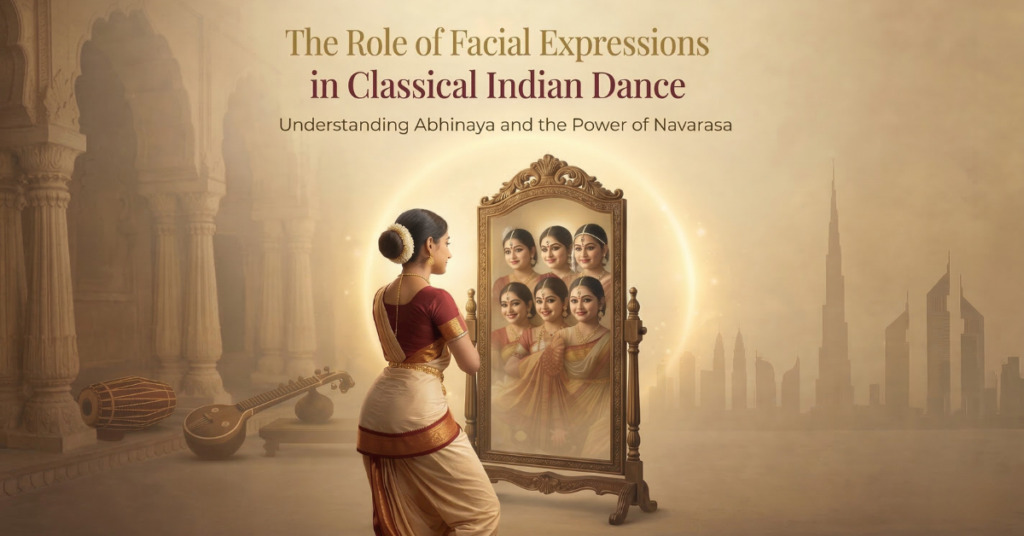
The Role of Facial Expressions in Classical Indian Dance Summary:-Classical Indian dance is not only about graceful movements and rhythmic footwork. It is also a powerful language of expression. Through subtle facial movements, dancers communicate emotions, characters, and stories that audiences can instantly connect with. In traditions like Kathak, facial expressions form an important part of Abhinaya, the expressive dimension of dance. A simple glance, a raised eyebrow, or a gentle smile can convey an entire emotion or moment in the story. These expressions allow the dancer to transform movement into storytelling, creating a deeper emotional experience for the audience. Understanding how these expressions work reveals both the artistic and scientific depth of classical Indian dance. Understanding Abhinaya: The Art of Expression In Indian classical dance traditions, the expressive aspect of performance is known as Abhinaya. The Sanskrit word comes from “abhi” (towards) and “naya” (to lead), meaning to lead the audience toward an emotional experience. Abhinaya combines several elements such as body movements, gestures, expressions, costumes, and inner emotions. Among these, facial expressions play a central role because they help communicate the dancer’s inner feelings to the audience. In Kathak performances, Abhinaya is especially visible during storytelling sequences where dancers interpret poetry, devotional themes, or mythological narratives. What Is the Science Behind Facial Expressions in Dance? While expressions in dance appear artistic, they also involve a fascinating scientific process. The human face contains many small muscles that work together to produce different emotions. Skilled dancers train these muscles so they can precisely control expressions such as joy, surprise, curiosity, or devotion. Even a small movement of the eyebrows or lips can change the meaning of an expression. Through practice, dancers learn to coordinate facial expressions with eye movements, gestures, and rhythm, creating a complete visual language. Research in human expression also shows that subtle facial movements communicate emotions effectively across cultures, which explains why audiences can understand the feelings portrayed by dancers even without spoken words. The Language of the Eyes (Drishti) In classical dance training, special attention is given to the eyes because they are one of the most expressive parts of the face. Eye movements, called Drishti, guide the audience’s attention and help illustrate the story. A dancer may look upward to indicate devotion, sideways to suggest curiosity, or downward to express humility. In Kathak, the graceful coordination of eye movements with hand gestures and footwork enhances storytelling and creates a captivating visual flow during the performance. Navarasa: The Nine Emotions in Classical Dance Indian aesthetic philosophy describes nine fundamental emotional states known as Navarasa (Nava = nine, Rasa = emotional essence or sentiment). These emotions form the expressive foundation of many classical Indian dance performances. In Kathak, dancers convey these emotions through subtle facial expressions, eye movements, and body language. Each Rasa allows the performer to bring depth and meaning to storytelling sequences. Shringara – Love and Beauty Shringara represents feelings of love, affection, and admiration. In Kathak, this emotion is often portrayed through soft smiles, gentle eye movements, and graceful gestures. It is commonly used in storytelling segments depicting romantic or devotional themes, where the dancer expresses admiration for beauty, nature, or divine love. Hasya – Joy and Laughter Hasya reflects happiness, amusement, and playful laughter. Dancers express this emotion through bright smiles, lively eyes, and lighthearted facial expressions. In Kathak storytelling Hasya may appear in playful moments between characters or in humorous situations that bring warmth and energy to the performance. Karuna – Compassion and Sadness Karuna conveys feelings of empathy, sorrow, or deep compassion. Dancers express this emotion through softened eyes, slow movements, and subtle expressions that reflect emotional depth This Rasa is often used in narratives that depict moments of longing, separation, or heartfelt devotion. Raudra – Anger Raudra represents powerful emotions such as anger, intensity, or fierce determination. The dancer’s expressions become sharper, with intense eyes and strong facial movements. Although Kathak is known for its elegance, this emotion may appear in dramatic storytelling moments where characters experience conflict or strong emotions. Veera – Courage Veera symbolizes bravery, confidence, and strength. This emotion is expressed through focused eyes, upright posture, and determined expressions. In Kathak performances, Veera may be used to portray heroic characters, moments of triumph, or expressions of inner strength. Bhayanaka – Fear Bhayanaka reflects feelings of fear, anxiety, or suspense. Dancers portray this emotion through widened eyes, tense expressions, and subtle changes in body language. In storytelling sequences, Bhayanaka can heighten dramatic moments and create a sense of anticipation within the narrative. Bibhatsa – Disgust Bibhatsa represents feelings of discomfort, dislike, or rejection. The dancer may express this emotion through slight facial contractions, raised lips, or expressions of displeasure. Although used sparingly, this Rasa helps add emotional contrast and realism to certain storytelling moments. Adbhuta – Wonder Adbhuta conveys amazement, curiosity, and fascination. This emotion is expressed through widened eyes, lifted eyebrows, and expressions of delight. In Kathak performances Adbhuta may appear when the dancer portrays moments of discovery, admiration, or awe within a story. Shanta – Peace and Tranquility Shanta represents calmness, inner balance, and spiritual peace. The expressions are gentle and composed, reflecting serenity and emotional harmony. This emotion is often used in devotional pieces where the dancer expresses a deep sense of connection and tranquility. These nine emotions allow Kathak dancers to transform movements into expressive storytelling, helping audiences connect deeply with the narrative and experience the full emotional richness of classical Indian dance. Subtlety of Expression in Kathak Different classical dance styles emphasize expressions in unique ways. In Kathak, expressions are often subtle and graceful rather than exaggerated. This delicate approach allows the dancer to transition smoothly between emotions while maintaining elegance. A Kathak dancer may portray multiple characters within a single story simply by changing expressions, gaze direction, or posture .This ability highlights the depth of training and artistic sensitivity required in classical dance. Training Facial Expressions in Kathak Learning expressions is an important part of Kathak training. Students gradually develop control over their facial muscles through guided
