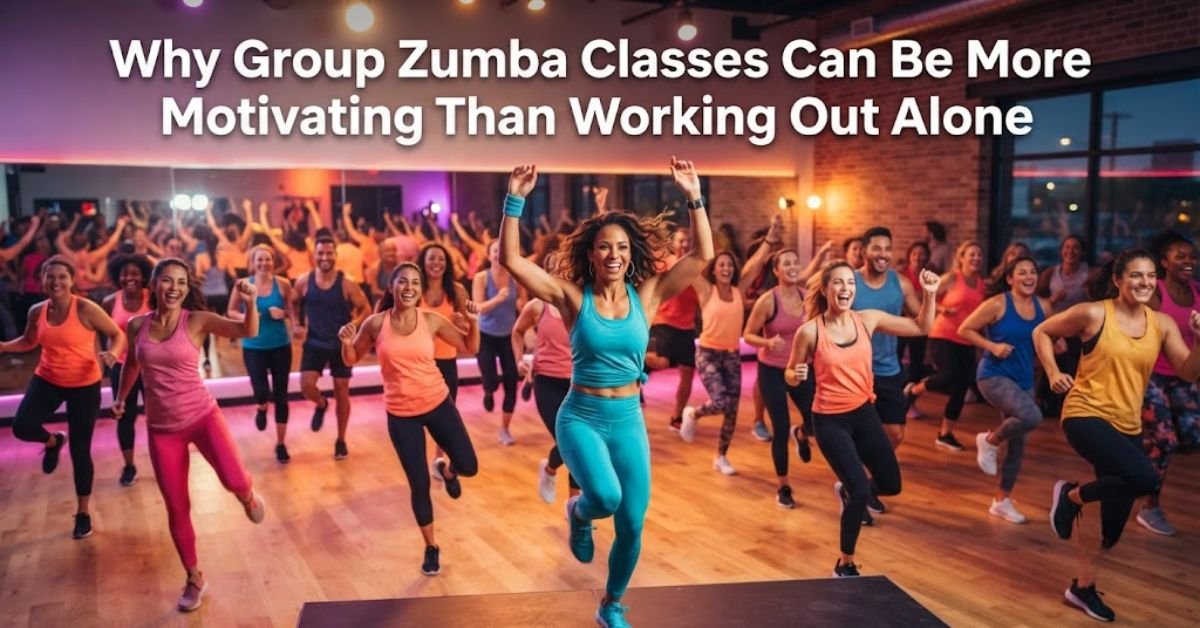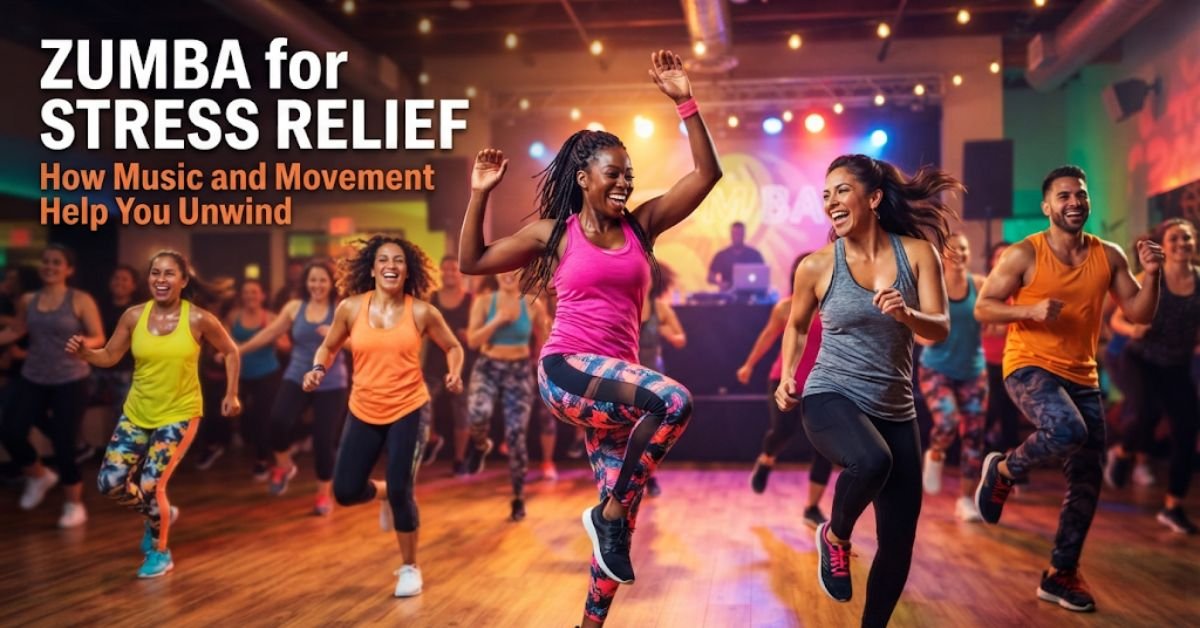
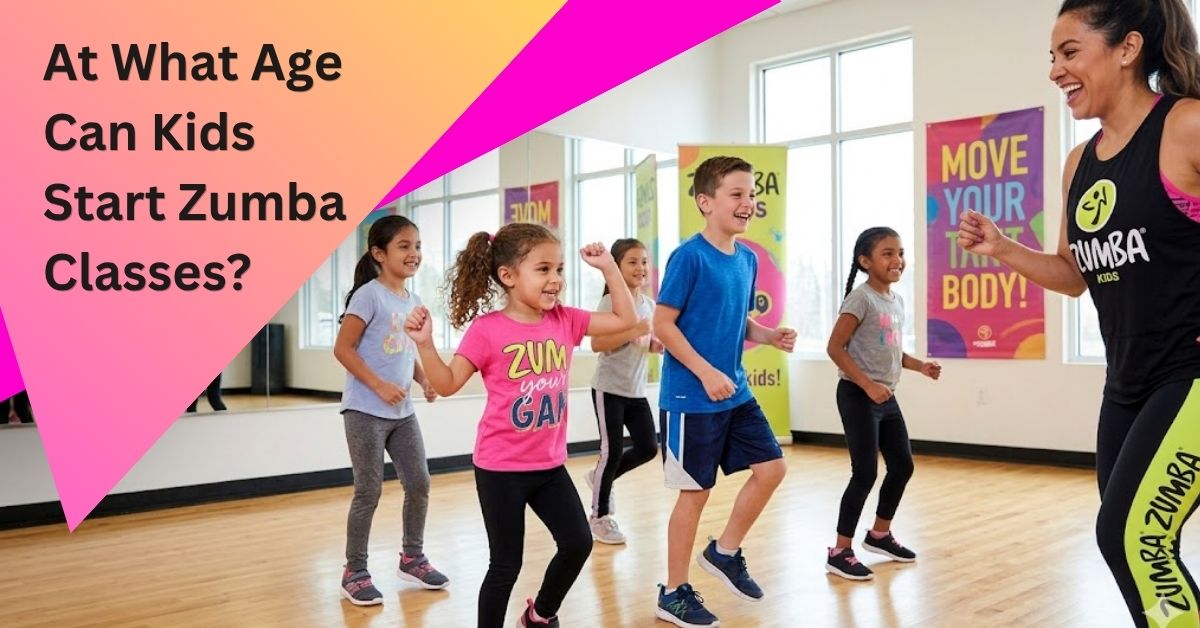
Summary : In this blog, you’ll learn the ideal age for kids to start Zumba classes, how different age groups benefit from Zumba, signs that your child is ready to join, and what parents should look for when choosing a class. We’ll also explore the physical, social, and confidence-building benefits of Zumba and explain why it has become a popular activity for children in Dubai.
Finding the right activity for a child is not always easy. Parents want something that is fun, healthy, safe, and worth the time. In Dubai, where families often look for indoor activities that keep children active year-round, Zumba has become a popular choice. It combines music, movement, rhythm, and energy in a way that feels more like play than exercise.
But one question comes up again and again: At what age can kids start Zumba classes? The answer depends on the child’s stage of development, attention span, and comfort in group settings. In many cases, children can begin age-appropriate movement classes as early as 4 years old, while older kids can join more structured Zumba sessions designed for their age group. The key is not rushing the process, but choosing a class that matches the child’s abilities and keeps the experience enjoyable..
Why Is Zumba a Fun Activity for Kids?
One of the biggest reasons children enjoy Zumba is that it feels more like play than exercise. The combination of upbeat music, exciting dance moves, and interactive activities keeps kids engaged throughout the class. Instead of focusing on strict techniques or competition, Zumba encourages children to move freely, express themselves, and have fun while staying active.
Kids also enjoy the variety that Zumba offers. Classes often include different music styles, simple dance routines, movement games, and group activities that prevent boredom and keep the energy high. The positive atmosphere helps children feel comfortable participating, regardless of their skill level. As they dance, laugh, and interact with other children, they build confidence, make new friends, and develop a lasting love for physical activity.
What Is the Right Age for Kids to Start Zumba Classes?
There is no single perfect age for every child, but there are general age ranges that help parents decide when their child may be ready.
Ages 0–3
Children in this age group are usually too young for structured Zumba classes. However, they can still enjoy parent-child music and movement sessions. These activities help build early rhythm, sensory awareness, and bonding with a parent or caregiver.
At this stage, the goal is not dance training. It is simply to introduce music, movement, and joy in a gentle way.
Ages 4–6
This is often the first age range where children can join a beginner Zumba-style class. Kids in this group usually have enough focus to follow simple steps, copy movements, and participate in short routines.
Classes for this age group should stay light, playful, and simple. Movements should be easy to repeat, and the instructor should use encouragement more than correction. At this age, children benefit most from learning rhythm, balance, coordination, and listening skills through fun activities.
Ages 7–11
Children in this age group are often ready for more structured Zumba classes. They can follow longer routines, remember sequences, and participate more actively in group sessions.
This is also a great stage for building confidence. Children often enjoy moving with friends, learning in a group, and feeling proud when they can follow the class independently. At this age, Zumba can become both a fitness activity and a social experience.
Ages 12 and above
Pre-teens and teenagers usually enjoy more energetic sessions with slightly more complex choreography. At this stage, Zumba can become a strong outlet for self-expression, fitness, and stress relief.
Many older children also begin to care more about body confidence, personal style, and social belonging. A good Zumba class can support all of that in a positive way.
What Are the Differences Between Zumba for Kids and Zumba for Teens?
While both kids’ and teens’ Zumba classes focus on movement, fitness, and fun, they are designed differently to suit each age group’s abilities and interests. Younger children typically enjoy simple dance routines, games, and activities that help develop coordination and confidence. Teen Zumba classes, on the other hand, often feature faster-paced choreography, greater fitness challenges, and opportunities for self-expression through dance.
Choosing an age-appropriate class helps ensure that participants stay engaged, learn comfortably, and enjoy the experience. As children grow, their physical abilities, attention spans, and fitness goals change, which is why Zumba programs are usually tailored to specific age groups.
|
Feature |
Zumba for Kids |
Zumba for Teens |
|
Typical Age Group |
4–11 years |
12–17 years |
|
Class Focus |
Fun, movement, and basic coordination |
Fitness, endurance, and dance skills |
|
Dance Complexity |
Simple and easy-to-follow routines |
More advanced choreography |
|
Class Structure |
Games, activities, and interactive learning |
Structured dance fitness sessions |
|
Main Goal |
Developing a love for movement |
Improving fitness while enjoying dance |
Both programs offer valuable benefits, but the right choice depends on a child’s age, confidence level, and personal interests. Whether joining a kids’ Zumba class or progressing to a teen program, the goal remains the same: helping young people stay active, healthy, and engaged through the power of music and movement.
Signs Your Child Is Ready for Zumba
Age is important, but readiness matters too. Some children are ready earlier, while others need a little more time. Here are a few signs that your child may be ready to join a Zumba class:
- Your child enjoys music and movement.
- Your child can follow simple instructions.
- Your child is comfortable being part of a group.
- Your child has enough attention span to stay involved for the duration of the class.
- Your child shows interest in dancing, singing, or copying movements at home.
If a child is shy, that does not mean Zumba is not a good fit. In many cases, children who are reserved at first begin to open up as they become familiar with the class, instructor, and routine. Many parents wonder whether Zumba is safe for kids, and age-appropriate classes are designed to provide a fun, supervised, and child-friendly environment for movement and exercise.
What Are the Benefits of Starting Zumba at a Young Age?
Zumba offers much more than just dance. It supports children in several important ways.
It improves physical fitness
Zumba keeps children moving, which supports heart health, stamina, flexibility, and overall activity levels. In a world where screen time is increasing, this matters more than ever.
It supports coordination and balance
Simple dance steps, arm movements, and rhythm-based activities help children improve motor skills. This can support everything from sports to everyday movement.
It builds confidence
When children learn to move with music and successfully follow a routine, they often feel proud of themselves. That sense of achievement can carry into school, friendships, and other activities.
It encourages social development
Zumba classes often involve group participation, which helps children learn how to share space, wait their turn, follow a leader, and enjoy teamwork.
It makes exercise feel fun
One of the biggest advantages of Zumba is that children often do not see it as a workout. They just see it as something exciting and enjoyable. That can help build healthy habits early.
For parents seeking a balanced activity, this is one of the biggest reasons Zumba stands out. According to the physical activity recommendations for children, staying active supports overall growth and wellbeing.
How Can Early Zumba Classes Support a Child’s Development?
Starting young can help children become more comfortable with movement, music, and group classes. It can also build a foundation for healthy habits over time. That said, starting early is not a requirement. A child who begins at age 7 or 10 can still gain many of the same benefits. What matters most is choosing the right class level and making sure the experience feels encouraging.
Children should never feel pressured to perform perfectly. The value of Zumba is in movement, confidence, and enjoyment. If the class feels too advanced or too serious, the child may lose interest. If it feels playful and age-appropriate, they are more likely to stay engaged. The early moments matter and are essential for every child to reach their full potential, making activities that support learning, movement, and confidence especially valuable during childhood.
How Are Zumba Classes Designed for Different Age Groups?
A good kids’ Zumba program is not just a smaller version of an adult class. It should be adapted to match the child’s age and development.
Younger children need simpler steps, shorter routines, and more repetition. They also need lots of encouragement and a playful tone.
Older children can handle longer sequences, more rhythm work, and more independent participation. They may also enjoy challenges, group choreography, and performances.
In a strong class, the instructor knows how to balance fun with structure. The goal is to make children feel successful, not overwhelmed.
What Should Dubai Parents Look for When Choosing a Kids’ Zumba Class?
Dubai families often have busy schedules and high expectations when it comes to extracurricular activities. When choosing a Zumba class, parents should look for a few important things:
- A child-friendly environment
- Qualified instructors who understand age-based learning
- Safe and clean facilities
- Classes grouped by age, not just mixed together
- A positive atmosphere where children feel welcome
- Convenient timing for school-going children and families
It also helps to choose a studio that understands the local lifestyle in Dubai. Many families prefer indoor activities because of the weather, and many children benefit from classes that fit well into after-school routines or weekend schedules.
A good dance academy should make it easy for parents to feel confident about their child’s safety, enjoyment, and progress.
Why Are More Dubai Parents Choosing Zumba Classes for Their Children?
There are several reasons Zumba has become such a popular choice among families in Dubai.
- First, it offers a fun alternative to screen time. Many parents want their children to spend less time on devices and more time moving.
- Second, it works well in an indoor setting, which is practical in Dubai’s climate. That makes it a reliable year-round activity.
- Third, it fits a wide range of personalities. Active children enjoy the energy, while shy children can gradually build confidence in a friendly group.
Finally, it supports a healthy lifestyle without making exercise feel like a chore. That is a big win for both children and parents.
Give Your Child a Fun and Active Start Through Zumba
Looking for a fun and active class for your child? At Upaj Dance Academy, we believe every child deserves an activity that keeps them active, happy, and confident. Our engaging and age-appropriate zumba dance classes in Jebel Ali Village for kids are designed to help children develop coordination, fitness, rhythm, and social skills while having an amazing time. Whether your child is taking their first dance class or already loves to move to music, our supportive instructors create an environment where every child can learn, grow, and enjoy being active.
Give your child the opportunity to build healthy habits, make new friends, and discover a lifelong love for movement. At Upaj Dance Academy, we focus on creating enjoyable experiences that help children feel comfortable, motivated, and excited to attend every class. Contact us today to learn more about our kids’ programs, schedule a trial session, and find the perfect class for your child.