Summary : Dance is much more than learning steps or performing to music. It combines physical activity, creativity, rhythm, memory, emotional expression and social interaction in a single activity. Regular dancing can help improve cardiovascular fitness, strength, flexibility, balance, coordination and body awareness. It can also support mental wellbeing, concentration, confidence, creativity and social development. For children and students, dance provides opportunities to develop motor skills, discipline, teamwork and self-expression. For adults, it can be an enjoyable way to exercise, manage everyday stress, learn a new skill and connect with others. Whether someone chooses Kathak, Bharatanatyam, Bollywood, Zumba, folk dance or another style, the greatest benefits usually come from consistent practice, suitable instruction and choosing a form of dance they genuinely enjoy.
People have danced for thousands of years for celebration, storytelling, exercise, artistic expression, community and cultural tradition. Today, people also join dance classes to stay active, improve their skills, develop confidence or simply enjoy moving to music. One reason dance is so valuable is that it engages several aspects of wellbeing at the same time. Your body works to coordinate movements, maintain balance and respond to rhythm. Your brain remembers sequences and anticipates what comes next. You may express emotions through movement while simultaneously interacting with a teacher, partner or group.
Research on structured dance has reported benefits across physical fitness, physical function, mental wellbeing, cognitive functioning and social wellbeing. The exact benefits vary according to the dance style, intensity, frequency, age, health and experience of the person dancing. Here is a closer look at the physical, mental, emotional, social, educational and cultural benefits of dance and how they apply to children, students and adults.
What Are the Main Benefits of Dance?
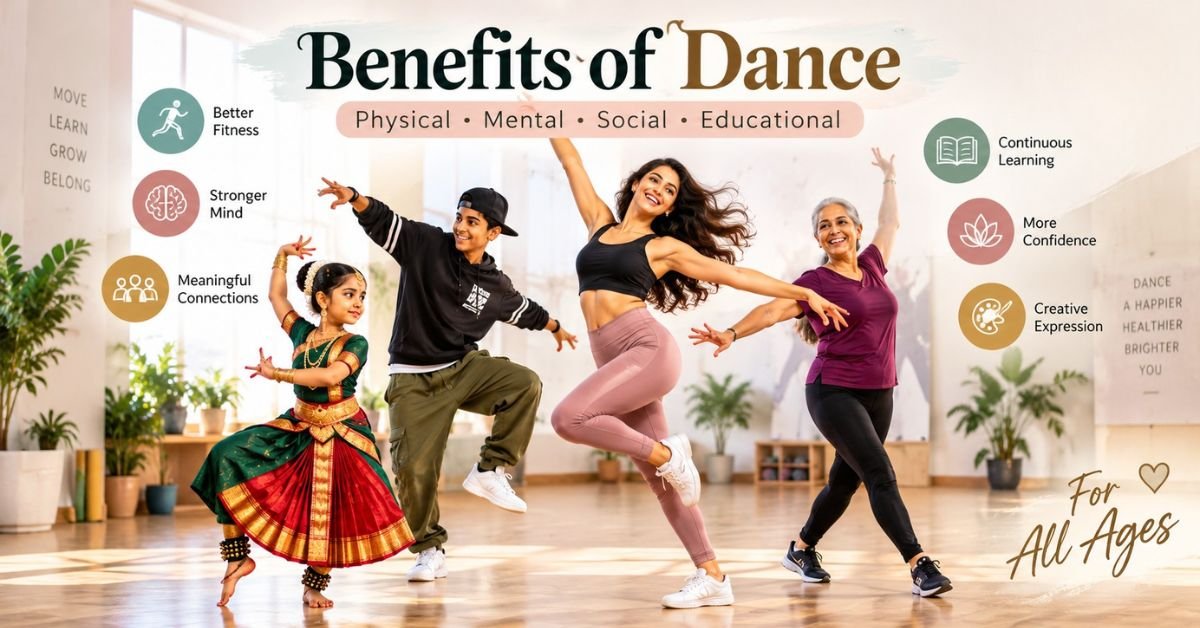
The benefits of dancing can broadly be grouped into six areas:
- Physical: fitness, stamina, strength, flexibility, coordination, balance and posture
- Mental: concentration, memory, attention and cognitive engagement
- Emotional: confidence, self-expression, enjoyment and stress management
- Social: communication, teamwork, friendships and belonging
- Educational: discipline, creativity, listening, observation and continuous learning
- Cultural: understanding traditions, storytelling, music and artistic heritage
What makes dance especially interesting is that these areas rarely operate separately. Learning choreography, for example, simultaneously requires memory, coordination, concentration, physical control and musical awareness.
Physical Benefits of Dance
1. Improves Cardiovascular Fitness
Many dance styles involve continuous movement that raises the heart rate and increases breathing. Depending on intensity, dance can therefore work as aerobic exercise.
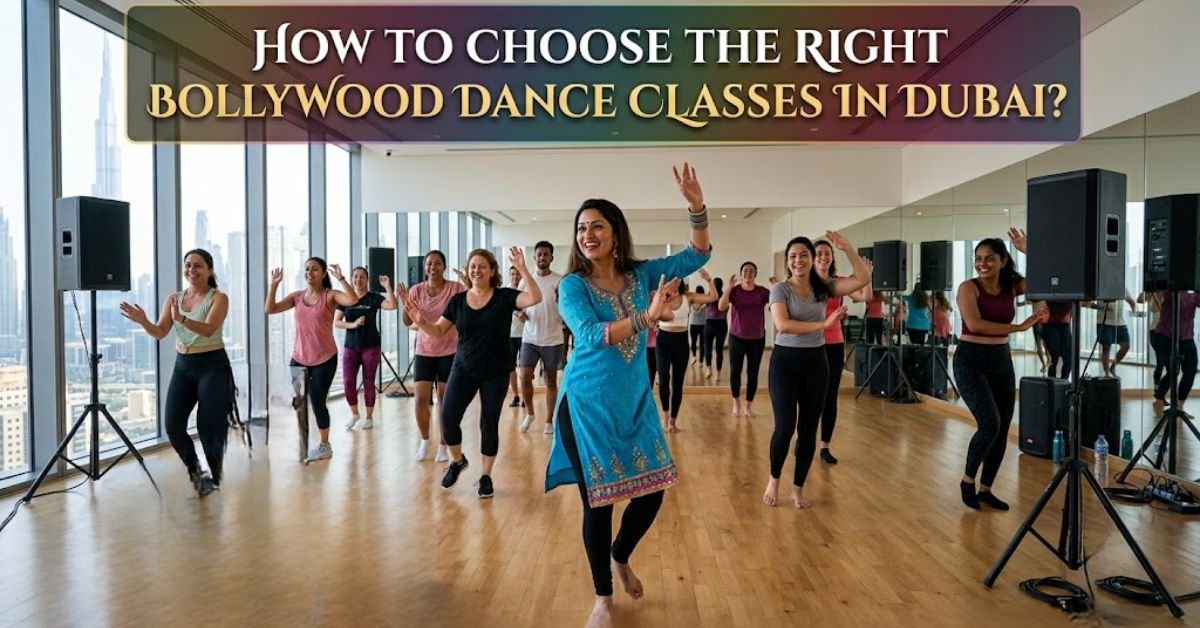
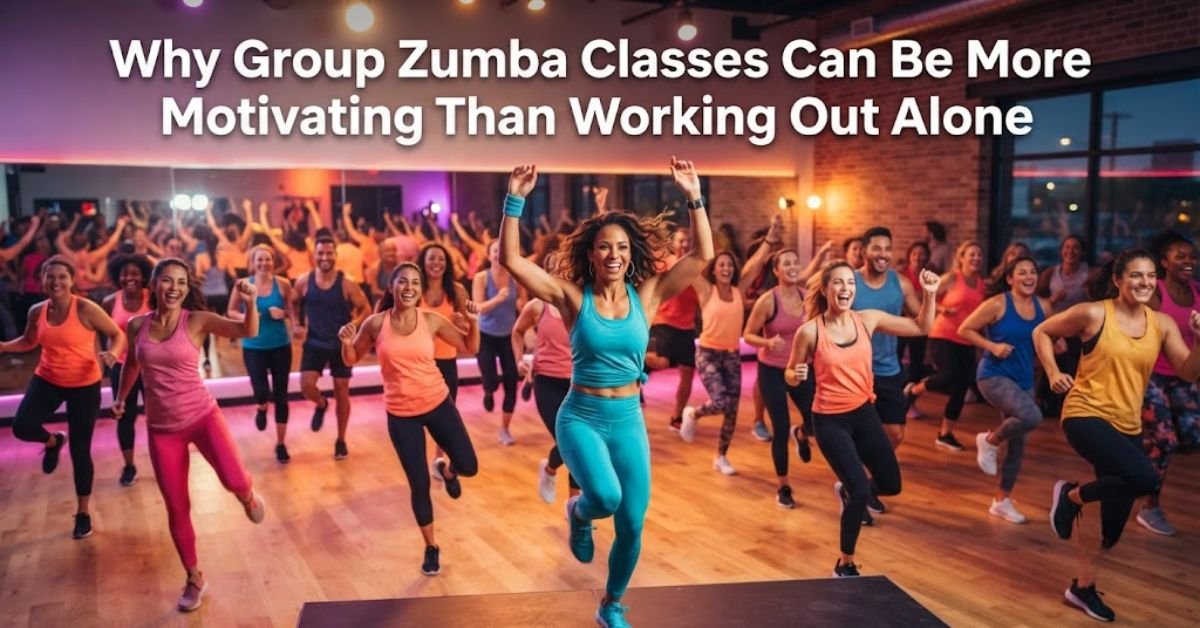
Energetic styles such as Bollywood dance, Zumba dance and other dance-fitness formats can provide particularly active sessions, while classical and slower styles may alternate between moderate activity and technically demanding movements.
2. Builds Muscular Strength and Endurance
Dancers repeatedly use the legs, hips, core and upper body to control movements, maintain positions, change directions and complete sequences. Repeated practice can gradually develop muscular endurance and functional strength.
Different styles emphasize different movements. Classical Indian dance, for example, may require controlled postures, footwork and sustained positions, while energetic contemporary or Bollywood routines may involve larger whole-body movements.
3. Improves Balance and Coordination
Dance requires the brain and body to work together. A dancer may need to:
- move the feet in one pattern
- use the hands differently
- maintain posture
- follow music
- change direction
- remain aware of other dancers
This combination continually challenges balance, spatial awareness and coordination. These skills can become more refined with regular, well-guided practice.
4. Develops Flexibility and Mobility
Many dance classes incorporate controlled stretches and movements through different ranges of motion. With appropriate training and consistency, this can help develop flexibility and mobility.
Flexibility should, however, be developed gradually. Good dance training prioritizes correct technique rather than forcing the body into movements it is not ready to perform.
5. Supports Better Posture and Body Awareness
Learning dance teaches students to notice how they stand, shift weight, position their shoulders, control their core and move different parts of their body. This increased body awareness can help dancers recognize inefficient movement patterns and become more conscious of alignment and posture.
6. Develops Stamina
Completing a dance routine requires sustained physical effort. As students practise consistently, they often become better able to perform movements for longer periods without becoming tired as quickly. This increased endurance can also support other everyday physical activities.
Mental and Cognitive Benefits of Dance
Dance exercises the brain as well as the body.
7. Challenges Memory
Learning choreography requires dancers to remember movement sequences, directions, rhythm, timing, formations, transitions and cues from music. This makes dance a mentally active form of exercise rather than repetitive physical movement alone.
8. Improves Concentration and Attention
A dancer must pay attention to the instructor, music, movement and surrounding space at the same time. Children and students can therefore practise staying focused while completing a task that requires both physical and mental participation.
This does not mean dance automatically improves academic grades, but the skills practised during structured learning, including listening, concentration, memory and persistence, can also be valuable in educational environments.
9. Encourages Problem-Solving
Dance is not only about copying steps. Students may need to understand how to transition between movements, adjust timing, remember spatial patterns or interpret choreography. Creative dance goes further by asking students to develop movements themselves.
10. Supports Creativity
Music can be interpreted in many ways. Students gradually learn how changes in rhythm, expression, gesture, speed and energy can communicate different ideas. This creative component distinguishes dance from many conventional forms of exercise.
Emotional Benefits of Dance
11. Provides a Healthy Form of Self-Expression
Not every emotion is easy to communicate verbally. Dance gives students another way to express excitement, joy, strength, confidence, storytelling and other feelings through movement. Expression is especially important in performance traditions where gestures, facial expressions and storytelling form an important part of the art.
12. Can Help Reduce Everyday Stress
Physical activity can support psychological wellbeing, while music and enjoyable movement can make dance particularly engaging. People may also find that concentrating on choreography temporarily shifts their attention away from everyday pressures.
13. Builds Confidence
Confidence in dance usually develops through small achievements. A beginner learns one step, then a combination, and eventually an entire routine or performance. These experiences can create a sense of progress and accomplishment.
For children who initially feel shy, participating in a supportive dance environment may also make self-expression in front of others feel more comfortable over time.
14. Develops Perseverance
A difficult movement rarely becomes perfect on the first attempt. Dance teaches students to repeat, correct, practise and try again. This process can develop patience and a healthier understanding that improvement comes through consistent effort rather than instant success.
Social Benefits of Dance
15. Encourages Interaction and Friendship
Group dance classes regularly bring people together around a shared activity. Students practise together, watch each other, celebrate progress and often work toward common performances or routines.
For children, this provides opportunities to become comfortable interacting with peers. For adults, dance classes can provide an enjoyable way to meet people outside work or everyday responsibilities.
16. Teaches Teamwork
Group choreography depends on more than individual ability. Dancers may have to:
- maintain formations
- synchronize movements
- follow group timing
- cooperate with partners
- respect other people’s space
- adapt when something changes
These experiences naturally introduce collaboration and shared responsibility.
17. Develops Communication Skills
Dance includes both verbal and nonverbal communication. Students listen to instructions, ask questions and receive feedback. At the same time, they learn to communicate through expressions, gestures, timing and movement.
18. Creates a Sense of Belonging
Regular classes can create a community around shared interests. This social aspect matters because an activity people enjoy and associate with positive relationships may also be easier to continue consistently.
Benefits of Dance for Students
Parents and educators often look beyond physical exercise when considering the benefits of dance for students. Structured dance education can support several areas of student development.
Discipline and Routine
Arriving for classes, practising movements, remembering choreography and preparing for performances encourage consistency and responsibility.
Listening Skills
Students need to listen carefully to instructions, corrections, music and rhythm.
Memory and Learning
Remembering choreography challenges recall and repeated learning while encouraging students to connect movement with timing and music.
Confidence in Performance
Performing a routine can help students gradually become more comfortable being observed by others.
Creativity
Dance encourages students to explore different ways of expressing an idea rather than looking for only one correct answer.
Teamwork
Group routines teach students that individual performance affects the whole team. They learn to coordinate with others and take shared responsibility for the final performance.
Benefits of Dance for Child Development
Children are developing physically, cognitively, socially and emotionally at the same time. Dance can engage all four areas.
Physical Development
Children practise basic movements including stepping, turning, jumping, balancing and changing direction. These activities can help develop gross motor abilities, coordination and body control.
Cognitive Development
Remembering instructions and movement sequences engages attention and memory. Children also begin connecting sounds, rhythms, directions and movements.
Emotional Development
Dance can provide a positive environment in which children express themselves and experience the satisfaction of learning something new.
Social Development
Waiting for turns, participating in groups, listening to the teacher and sharing performance space introduce important classroom and social behaviours.
Benefits of Dance Classes for Toddlers and Preschoolers
Toddler dance classes are different from professional dance training. At this stage, the priority should usually be movement, rhythm, enjoyment, imagination and age-appropriate coordination rather than perfect technique.
A well-designed early-years dance class may help toddlers and preschoolers practise the following skills:
Balance and Basic Coordination
Simple movements such as walking to rhythm, bending, turning and changing direction help children explore what their bodies can do.
Rhythm and Musical Awareness
Children gradually begin noticing beats, tempo and changes in music.
Following Instructions
Short activities encourage children to listen and respond to simple directions.
Social Interaction
A class introduces young children to learning alongside others, taking turns and participating in group activities.
Imagination
Animal movements, stories, characters, shapes and music can transform movement into creative play.
For parents, the goal at this age should be positive exposure to movement, not pressure to perform.
Benefits of Dance Classes for Adults
Dance is not only for children or professional performers. Adults may benefit from joining dance classes whether their goal is exercise, relaxation, social interaction or learning something they have always wanted to try.
A More Enjoyable Form of Exercise
Some adults struggle to maintain repetitive workouts because they simply do not enjoy them. Dance provides exercise with music, choreography and continuous learning, which may make physical activity more engaging.
Stress Relief After Work
A dance class provides a defined period in which attention shifts from emails, deadlines and daily responsibilities to movement and music.
Learning a New Skill
Adults can continue developing coordination, memory, musicality and creativity at any age.
Increased Confidence
Progressing from feeling uncertain about basic movements to completing choreography can create a strong sense of achievement.
More Social Interaction
Group classes can introduce adults to people with similar interests and create a regular opportunity for enjoyable social interaction.
Benefits of Dance Fitness
Dance fitness combines structured movement with the goal of increasing physical activity. Depending on intensity, regular dance workouts can support:
- cardiovascular fitness
- endurance
- coordination
- mobility
- muscular conditioning
- energy expenditure
- general physical activity
Can Dancing Help With Weight Management?
Dancing uses energy and can contribute to someone’s overall physical-activity routine. However, it is better to think of dance as one part of a healthy lifestyle rather than a guaranteed weight-loss solution.
The amount of energy used during dancing depends on several factors, including:
- dance style
- intensity
- session length
- body size
- fitness level
- how continuously a person moves
Consistency matters more than looking for one particular “fat-burning” dance. A sustainable routine that combines enjoyable movement with healthy daily habits is generally more practical.
Cultural Benefits of Dance
One area many general health articles overlook is the cultural importance of dance. Dance can preserve and communicate history, traditions, storytelling, music, values and artistic practices.
This is especially visible in forms such as Kathak, Bharatanatyam, Odissi, Mohiniyattam, folk dance and Garba, where students learn much more than movement alone. They may also develop an understanding of rhythm, expression, traditional compositions, storytelling and the cultural context in which an art form developed.
Dance education can therefore help students appreciate both their own cultural heritage and the traditions of other communities.
Benefits of Joining a Dance Class Instead of Only Dancing at Home
Dancing at home is enjoyable and can certainly provide physical activity. Structured dance classes, however, add several learning advantages.
Professional Guidance
An instructor can explain technique, identify mistakes and show safer ways to perform movements.
Progressive Learning
Good classes usually develop skills gradually rather than introducing movements randomly.
Accountability
A regular class schedule encourages consistent practice.
Feedback
Students receive corrections that are difficult to obtain when practising alone.
Social Learning
Watching and practising with other students can improve motivation and understanding.
Performance Opportunities
For students interested in performance, structured classes can help develop choreography, expression and stage confidence.
The best option is not necessarily home dancing versus dance classes. Many dancers use both: structured instruction for learning and home practice for reinforcement.
Dance and Dance/Movement Therapy Are Not the Same Thing
This distinction is important because people searching for the benefits of dance sometimes also come across dance movement therapy.
A regular dance class primarily teaches dance, movement, fitness or performance. Dance/movement therapy is a therapeutic practice in which movement is used within a professional therapeutic framework to support emotional, cognitive, social and physical integration.
Dance/movement therapy should not be treated as identical to an ordinary recreational dance class. Someone seeking dance specifically to address a medical or mental-health condition should discuss appropriate options with a qualified healthcare professional.
Which Type of Dance Offers the Most Benefits?
There is no single dance style that is best for everyone. The best choice depends on your age, interests, goals and preferred way of learning.
Someone interested in classical technique and storytelling may enjoy Kathak, Bharatanatyam or Odissi. Someone looking for energetic contemporary music and expressive movement may prefer Bollywood dance. Someone mainly interested in an enjoyable cardio-based workout may prefer Zumba or dance fitness. Someone wanting to explore cultural and community traditions may prefer folk dance or Garba.
Upaj Dance Academy offers multiple dance forms, giving students options according to their interests, goals and experience levels.
How Often Should You Dance to Experience the Benefits?
There is no universal schedule that applies to everyone. Frequency depends on your age, fitness level, dance style, goals and class intensity.
For beginners, consistency is usually more useful than trying to train intensely immediately. Attend classes regularly, practise what you learn and allow time for recovery. The most sustainable routine is one you can maintain safely and enjoy over time.
Making Dance a Lifelong Source of Fitness, Confidence and Creativity
The benefits of dance extend far beyond performing a routine correctly. Dance can challenge the heart, muscles and coordination while simultaneously engaging memory, concentration, creativity and emotional expression. Children can use dance to explore movement and develop confidence. Students can learn discipline, teamwork and performance skills. Adults can discover an enjoyable way to exercise, learn and connect with others.
Unlike many activities that focus almost entirely on physical performance, dance also carries an artistic and cultural dimension. That combination of movement, music, creativity, learning, expression and community is what makes dance valuable at almost every stage of life.
Start Your Dance Journey With Upaj Dance Academy
Want to experience the benefits of dance rather than simply read about them?
Upaj Dance Academy offers dance learning for different ages and skill levels, with styles including Kathak, Bharatanatyam, Odissi, Mohiniyattam, Bollywood, Zumba, folk dance and Garba. Whether you are choosing a class for your child, starting dance as an adult, improving your fitness or developing your technique, structured guidance can help you progress with greater confidence.
Explore Upaj Dance Academy and find a dance style that matches your interests, goals and experience level. Contact us today to learn more about our classes and take the next step in your dance journey.