
Why Group Zumba Classes Can Be More Motivating Than Working Out Alone?
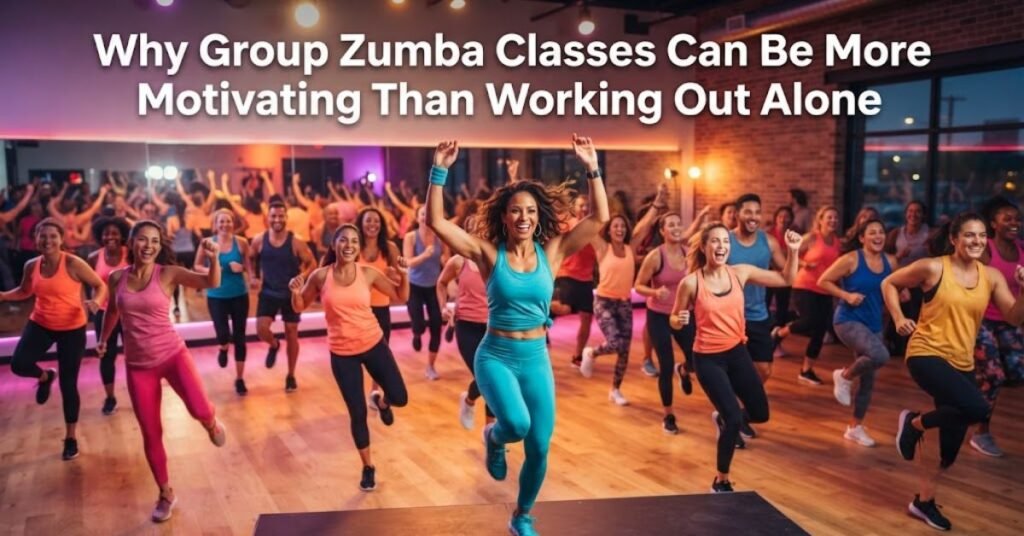
Why Group Zumba Classes Can Be More Motivating Than Working Out Alone? Summary : This article explains why group Zumba classes can make exercise feel more enjoyable, social and consistent than working out alone. It looks at the role of music, group energy, instructor guidance, accountability and community, while also comparing group Zumba with solo workouts and sharing practical tips for choosing a class in Dubai. Staying motivated to exercise is not always easy. You may start a new workout routine with plenty of enthusiasm, only to find yourself skipping sessions after a few weeks. When you exercise alone, there is no class waiting for you, no instructor keeping the session moving and no group sharing the experience with you. This is where group Zumba classes can offer a different kind of motivation. Zumba combines dance-inspired movements, music and a group setting, creating an atmosphere that can feel more like an enjoyable activity than a traditional workout. For people who enjoy energy, interaction and structured sessions, exercising with others can make it easier to stay interested and keep coming back. Why Is Motivation Important When Building A Regular Workout Routine? Knowing that exercise is good for you does not always make it easier to do. Motivation naturally changes depending on your mood, workload, sleep, schedule and daily responsibilities. On some days, going for a workout may feel easy. On others, staying on the sofa can seem much more appealing. When you work out alone, you have to make most of the decisions yourself. You choose the time, select the exercises and push yourself through the session. That flexibility can be useful, but it also makes it easier to postpone a workout. A group class adds structure and social energy. Instead of asking yourself whether you feel like exercising, you simply show up at the scheduled time and follow the session. That small change can make regular exercise feel more manageable. As more people look for enjoyable ways to stay active, interest in group workouts and fitness activities continues to grow. In some fitness sectors, the health and fitness club market size increased as demand for accessible and engaging workout options gained attention. What Makes Group Zumba Classes Different From Working Out Alone? Group Zumba offers several elements that are difficult to recreate when you exercise by yourself. A Shared Workout Environment Moving alongside other people can create a stronger sense of participation. You are not exercising in isolation; you are part of a room full of people moving to the same music and following the same instructor. That atmosphere can make the session feel more lively and help you stay engaged from beginning to end. A Scheduled And Structured Session One of the simplest benefits of a class is having a fixed routine. You know when the session starts and what you are expected to do once you arrive. There is less time spent deciding which exercises to perform or how to structure the workout. You can focus on participating and enjoying the movement. Music And Movement Make Exercise More Enjoyable Zumba uses music as an important part of the experience. Rhythmic movement and changing songs can keep the session interesting and give the workout a natural flow. For someone who finds repetitive gym routines boring, a dance-based workout can provide a welcome change. The combination of music and rhythmic movement can make a workout feel more enjoyable and engaging. Beyond fitness, the importance of dance can also be seen in the way movement encourages self-expression, coordination and confidence. Why Can Group Zumba Classes Be More Motivating Than Working Out Alone? 1. The Energy Of The Group Can Push You Forward There is something encouraging about seeing other people staying active around you. When your energy drops during a class, the people beside you are still moving, dancing and following the routine. That shared energy can encourage you to keep participating rather than ending the workout early. It is not about competing with the person next to you. Instead, the group creates an environment where staying active feels natural. 2. Accountability Makes It Easier To Show Up When you exercise alone, missing a workout may feel like a minor decision. You can always tell yourself that you will do it tomorrow. A scheduled Zumba class creates an extra level of accountability. You know the instructor is there, the session has a set starting time and familiar participants may be expecting to see you. Over time, attending the class can become part of your weekly routine. That sense of commitment can be especially helpful when motivation is not at its highest. 3. Music Can Make The Workout Feel Less Like A Chore Music can completely change the mood of a workout. Instead of concentrating on how much longer the session will last, you may find yourself paying more attention to the rhythm and movement. The combination of music and dance-inspired exercise can make the experience feel enjoyable. When people genuinely enjoy an activity, returning to it can become easier than forcing themselves through a routine they dislike. 4. An Instructor Removes The Guesswork Working out alone often means deciding what to do before the session even begins. For beginners, that can be overwhelming. A Zumba instructor guides the class through the routine, demonstrates movements and helps maintain the pace. You can simply follow along rather than constantly checking what exercise comes next. Instructor-led sessions can also help create a more organised workout environment, which may be useful for people who struggle to stay focused on their own. 5. You Can Build A Sense Of Community Fitness does not always have to be a solitary experience. Regularly attending a group class gives you the chance to see familiar people, interact with classmates and gradually become part of a community. This can make a difference for people who enjoy social activities. A class becomes something more than a scheduled workout; it can become a place where you recognise faces, share positive energy
Morning vs Evening Zumba Classes: Which Is Better for Your Routine?
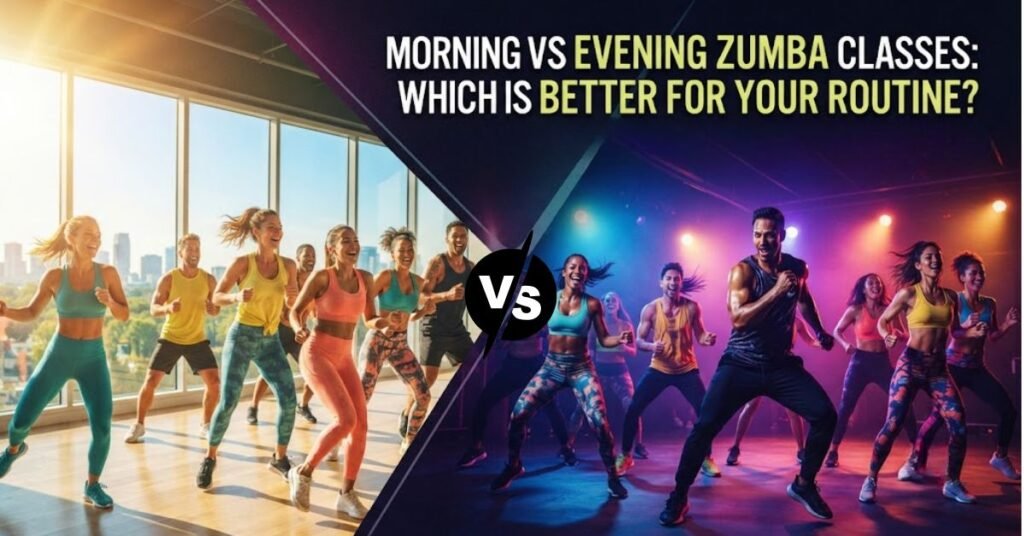
Morning vs Evening Zumba Classes: Which Is Better for Your Routine? Summary : Choosing between morning and evening Zumba classes can be confusing when both options fit different lifestyles. This guide compares the advantages of morning and evening Zumba, including energy levels, workout performance, consistency, stress relief, sleep, weight-management goals and daily schedules, so you can choose a class time that feels practical and enjoyable for your routine. Finding the right workout is only part of building a sustainable fitness routine. The other part is deciding when you can realistically fit it into your day. For some people, an early Zumba session feels like the perfect way to start the morning. For others, an evening class is a welcome break after work and daily responsibilities. Zumba combines dance-inspired movements with cardio exercise, creating an energetic group workout that can support cardiovascular fitness, coordination and overall physical activity. But does attending Zumba in the morning provide better results than going in the evening? There is no single answer for everyone. The best exercise time is generally the one that matches your lifestyle, energy, preferences and ability to stay consistent. What Makes Morning Zumba Classes A Good Way To Start Your Day? Morning Zumba can be a great fit for people who like to get their workout completed before the rest of the day becomes busy. Once the session is over, exercise is already checked off your schedule, leaving your evening open for work, family, friends or personal time. For people who naturally feel more energetic in the morning, this timing may also make it easier to build a dependable habit. Morning workouts can face fewer interruptions from unexpected meetings, social plans or end-of-day tiredness. Benefits Of Morning Zumba One of the biggest advantages is routine. When exercise happens at roughly the same time each day, it can become a normal part of your lifestyle rather than another task you need to find time for. Morning Zumba may also help you begin your day feeling active and alert. Physical activity can support alertness and focus, which some people find useful before starting work or other responsibilities. Other possible benefits include: Completing your workout before daily distractions begin Starting the day with an enjoyable activity Keeping evenings available for personal commitments Establishing a regular exercise habit Getting moving after a long period of inactivity during sleep The upbeat music and group atmosphere can also make an early workout feel more enjoyable than exercising alone. Learning more about the health benefits of Zumba can also help beginners understand why it has become a popular choice for people looking for an enjoyable way to stay active. Things To Consider Before A Morning Zumba Class Morning exercise is not ideal for everyone. Some people feel stiff or sluggish immediately after waking, so they may need additional time to warm up before performing energetic movements. Others simply do not enjoy getting up early enough to attend a class. Sleep should also remain a priority. Waking up significantly earlier just to exercise may not be a good long-term strategy if it consistently reduces your sleep. Food and hydration are personal considerations too. Some people are comfortable exercising after drinking water, while others prefer a light meal or snack before a more active session. What Makes Evening Zumba Classes A Good Choice After Work? Evening Zumba can be especially convenient for people whose mornings are filled with work, school, family responsibilities or other commitments. By the end of the day, many people have already completed their essential tasks, making an evening class easier to fit into their schedule. For some, it can also serve as a transition between work and personal time. Research-based fitness guidance notes that strength, flexibility and aerobic performance can be better later in the day for some people, partly because the body is more warmed up. Benefits Of Evening Zumba An evening dance workout can be an enjoyable way to release some of the tension built up during the day. Instead of going directly from work into dinner or screen time, you have an opportunity to move, listen to music and participate in a social activity. Evening sessions may also feel less rushed for people who dislike squeezing exercise between waking up and getting ready for work. Some advantages include: Convenient timing for working professionals A chance to unwind after a busy day More time to prepare for the workout Potentially higher energy and physical readiness Social interaction through group fitness A fun way to finish the working day Zumba’s group format can make exercise feel more engaging and motivating, particularly for people who find traditional solo workouts repetitive. Things To Consider Before An Evening Zumba Class The main challenge with evening classes is consistency. Work may run late, traffic may interfere with your plans, or family and social responsibilities may suddenly take priority. Energy can also become an issue. After a demanding day, you may arrive at class feeling mentally or physically tired. Another consideration is bedtime. Vigorous exercise immediately before sleep can affect some people, although the response varies. Leaving around an hour or more between a vigorous workout and bedtime may be helpful for those who find late exercise stimulating. Why Should You Choose Upaj Dance Academy For Zumba Classes? Choosing a Zumba class is not only about finding a convenient time. The right academy should offer an enjoyable environment, supportive instruction and sessions that make you want to keep coming back. As a top dance academy, Upaj Dance Academy brings together energetic music, engaging dance-based workouts and a welcoming atmosphere where participants can stay active while enjoying every session. Whether you prefer an early morning workout or an evening class after a busy day, Upaj Dance Academy can help you make Zumba a regular part of your lifestyle. With a focus on making fitness enjoyable and accessible, the academy is a great place to build confidence, stay motivated and bring more movement into your week. What Is The Difference Between
Zumba for Stress Relief: How Music and Movement Help You Unwind
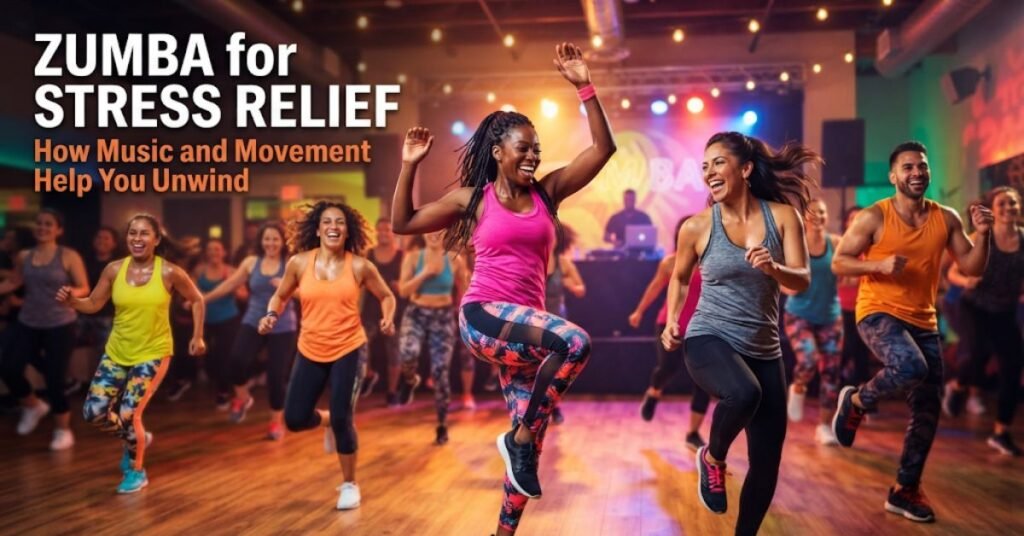
Zumba for Stress Relief: How Music and Movement Help You Unwind Summary : Zumba can be more than a workout. With upbeat music, continuous movement and an energising group atmosphere, it can give your mind a much-needed break from daily pressure. This article explains how Zumba can support stress relief, how music and movement affect your workout experience, the role of focus and social connection, and how beginners can make Zumba part of a healthier routine. Work deadlines, busy schedules, family responsibilities, traffic, screens and constant notifications can leave you feeling mentally drained. Even when you have finished the day’s tasks, it can be difficult to completely switch off. Finding a healthy way to release tension can make a noticeable difference to how you feel. This is where enjoyable physical activity can become part of your routine. Instead of spending your exercise time thinking about how many minutes are left, you can focus on the rhythm, movements and energy of the class. Zumba for stress relief is not about making stress disappear instantly. It is about creating a positive outlet where you can move your body, shift your attention and give yourself some time away from everyday demands. How Can Zumba Help With Stress Relief? Physical activity is often a useful way to deal with everyday tension, and Zumba adds an enjoyable social and musical element to the experience. When you move continuously during a class, your body becomes engaged and your attention naturally shifts towards the activity. That change can be valuable after a long day spent sitting at a desk or handling mentally demanding work. Instead of replaying conversations, deadlines or unfinished tasks in your head, you are concentrating on the instructor, music and choreography. Regular physical activity may also support better mood and general wellbeing. The key advantage of Zumba is that it can make movement feel enjoyable rather than like another responsibility on your schedule. For many people, that enjoyment matters. When an activity feels fun, there may be a greater chance of returning to it consistently. How Does Music In Zumba Help You Relax And Unwind? Music is one of the defining elements of a Zumba class. The beat helps create the energy of the session while giving participants something to follow as they move. Listening to lively music can also change the overall feel of exercise. Rhythm Gives Your Mind Something To Focus On Following a beat requires attention. You may be listening for changes in tempo, watching the instructor’s movements and trying to stay in sync with the routine. That focus can help create a temporary mental break. Rather than thinking about emails, work conversations or tomorrow’s schedule, your attention is directed towards what is happening in the room. You are listening, moving and responding in real time. This simple shift in attention can make the class feel like a reset between work and personal life. Uplifting Music Can Change The Workout Experience The right music can make people feel more motivated to keep moving. Energetic songs can create a lively atmosphere and encourage participants to become more involved in the session. You may walk into class feeling tired or distracted and gradually become more engaged as the music starts. The experience is not necessarily about achieving a perfect performance. It is about participating, moving and enjoying the moment. That emotional change is one reason music-based workouts can feel refreshing even after a demanding day. How Can the Zumba Movement Help Release Everyday Tension? Stress is not only something you experience mentally. A stressful day can also leave you feeling physically tense, restless or uncomfortable.cMovement gives your body a chance to become active after hours of limited physical activity. Zumba routines involve the legs, arms, core and upper body while encouraging continuous movement. As your body becomes more active, your breathing and heart rate increase. You may also become more aware of how your body feels instead of remaining focused on outside distractions.cDance-based movement can be particularly appealing because it gives you freedom to move naturally within the rhythm. You do not need to treat every step like a test. The goal is to stay involved and enjoy the process. How Can Zumba Help You Focus On The Present Moment? One of the less obvious benefits of a Zumba session is the amount of attention it requires. You have to watch the instructor, listen to the music, remember combinations and coordinate different movements. Even simple routines require you to pay attention to what is happening right now. That can be helpful when your mind tends to jump from one worry to another. Zumba is not meditation, but it can encourage a similar sense of present-moment awareness through movement. For the duration of the class, the focus is on the rhythm, the next step and how your body responds. You may still have responsibilities waiting after the session, but taking an hour away from them can help create a useful mental pause. What Are The Mood-Boosting Benefits Of A Zumba Workout? A Zumba session can leave you feeling different from how you felt when you arrived. Physical activity is associated with positive effects on mood and emotional wellbeing, while the enjoyable nature of dancing can make the experience even more uplifting. The combination of music, movement and participation can create a sense of achievement, particularly when you learn a routine that initially seemed difficult. Regular enjoyable physical activity can become a healthy way to manage everyday pressure. In simple terms, Zumba boosts mental health by easing stress, encouraging movement and giving you something positive to focus on during the session. Physical Activity And Feel-Good Chemicals Exercise can stimulate the release of endorphins and other processes in the body associated with improved mood. This is one reason people sometimes describe feeling more positive or refreshed after being physically active. However, the experience is not identical for everyone, and one workout should not be viewed as a solution for ongoing emotional difficulties. Instead, think of
Benefits of Dance: Physical, Mental, Social and Educational Benefits for All Ages
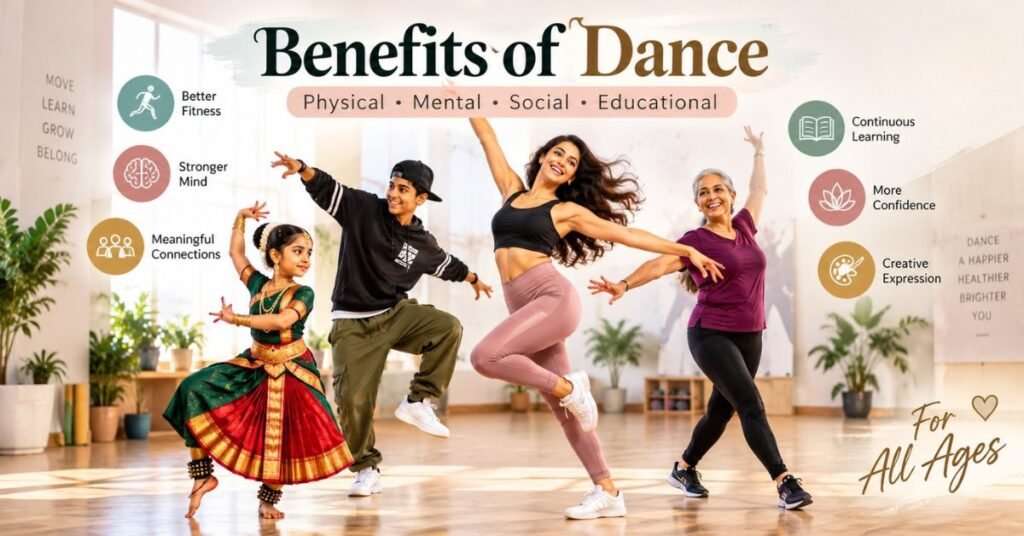
Benefits of Dance: Physical, Mental, Social and Educational Benefits for All Ages Summary : Dance is much more than learning steps or performing to music. It combines physical activity, creativity, rhythm, memory, emotional expression and social interaction in a single activity. Regular dancing can help improve cardiovascular fitness, strength, flexibility, balance, coordination and body awareness. It can also support mental wellbeing, concentration, confidence, creativity and social development. For children and students, dance provides opportunities to develop motor skills, discipline, teamwork and self-expression. For adults, it can be an enjoyable way to exercise, manage everyday stress, learn a new skill and connect with others. Whether someone chooses Kathak, Bharatanatyam, Bollywood, Zumba, folk dance or another style, the greatest benefits usually come from consistent practice, suitable instruction and choosing a form of dance they genuinely enjoy. People have danced for thousands of years for celebration, storytelling, exercise, artistic expression, community and cultural tradition. Today, people also join dance classes to stay active, improve their skills, develop confidence or simply enjoy moving to music. One reason dance is so valuable is that it engages several aspects of wellbeing at the same time. Your body works to coordinate movements, maintain balance and respond to rhythm. Your brain remembers sequences and anticipates what comes next. You may express emotions through movement while simultaneously interacting with a teacher, partner or group. Research on structured dance has reported benefits across physical fitness, physical function, mental wellbeing, cognitive functioning and social wellbeing. The exact benefits vary according to the dance style, intensity, frequency, age, health and experience of the person dancing. Here is a closer look at the physical, mental, emotional, social, educational and cultural benefits of dance and how they apply to children, students and adults. What Are the Main Benefits of Dance? The benefits of dancing can broadly be grouped into six areas: Physical: fitness, stamina, strength, flexibility, coordination, balance and posture Mental: concentration, memory, attention and cognitive engagement Emotional: confidence, self-expression, enjoyment and stress management Social: communication, teamwork, friendships and belonging Educational: discipline, creativity, listening, observation and continuous learning Cultural: understanding traditions, storytelling, music and artistic heritage What makes dance especially interesting is that these areas rarely operate separately. Learning choreography, for example, simultaneously requires memory, coordination, concentration, physical control and musical awareness. Physical Benefits of Dance 1. Improves Cardiovascular Fitness Many dance styles involve continuous movement that raises the heart rate and increases breathing. Depending on intensity, dance can therefore work as aerobic exercise. Energetic styles such as Bollywood dance, Zumba dance and other dance-fitness formats can provide particularly active sessions, while classical and slower styles may alternate between moderate activity and technically demanding movements. 2. Builds Muscular Strength and Endurance Dancers repeatedly use the legs, hips, core and upper body to control movements, maintain positions, change directions and complete sequences. Repeated practice can gradually develop muscular endurance and functional strength. Different styles emphasize different movements. Classical Indian dance, for example, may require controlled postures, footwork and sustained positions, while energetic contemporary or Bollywood routines may involve larger whole-body movements. 3. Improves Balance and Coordination Dance requires the brain and body to work together. A dancer may need to: move the feet in one pattern use the hands differently maintain posture follow music change direction remain aware of other dancers This combination continually challenges balance, spatial awareness and coordination. These skills can become more refined with regular, well-guided practice. 4. Develops Flexibility and Mobility Many dance classes incorporate controlled stretches and movements through different ranges of motion. With appropriate training and consistency, this can help develop flexibility and mobility. Flexibility should, however, be developed gradually. Good dance training prioritizes correct technique rather than forcing the body into movements it is not ready to perform. 5. Supports Better Posture and Body Awareness Learning dance teaches students to notice how they stand, shift weight, position their shoulders, control their core and move different parts of their body. This increased body awareness can help dancers recognize inefficient movement patterns and become more conscious of alignment and posture. 6. Develops Stamina Completing a dance routine requires sustained physical effort. As students practise consistently, they often become better able to perform movements for longer periods without becoming tired as quickly. This increased endurance can also support other everyday physical activities. Mental and Cognitive Benefits of Dance Dance exercises the brain as well as the body. 7. Challenges Memory Learning choreography requires dancers to remember movement sequences, directions, rhythm, timing, formations, transitions and cues from music. This makes dance a mentally active form of exercise rather than repetitive physical movement alone. 8. Improves Concentration and Attention A dancer must pay attention to the instructor, music, movement and surrounding space at the same time. Children and students can therefore practise staying focused while completing a task that requires both physical and mental participation. This does not mean dance automatically improves academic grades, but the skills practised during structured learning, including listening, concentration, memory and persistence, can also be valuable in educational environments. 9. Encourages Problem-Solving Dance is not only about copying steps. Students may need to understand how to transition between movements, adjust timing, remember spatial patterns or interpret choreography. Creative dance goes further by asking students to develop movements themselves. 10. Supports Creativity Music can be interpreted in many ways. Students gradually learn how changes in rhythm, expression, gesture, speed and energy can communicate different ideas. This creative component distinguishes dance from many conventional forms of exercise. Emotional Benefits of Dance 11. Provides a Healthy Form of Self-Expression Not every emotion is easy to communicate verbally. Dance gives students another way to express excitement, joy, strength, confidence, storytelling and other feelings through movement. Expression is especially important in performance traditions where gestures, facial expressions and storytelling form an important part of the art. 12. Can Help Reduce Everyday Stress Physical activity can support psychological wellbeing, while music and enjoyable movement can make dance particularly engaging. People may also find that concentrating on choreography temporarily shifts their attention away from
Zumba Classes for Ladies: Benefits, Classes & What to Expect
Zumba Classes for Ladies: Benefits, Classes & What to Expect Summary Zumba classes for ladies offer a fun and energetic way to stay active while combining dance-inspired movements with cardio exercise. Designed for women of different fitness levels, Zumba can help improve stamina, cardiovascular fitness, coordination, and overall physical activity. Whether you are a beginner, a busy professional, or simply looking for an enjoyable alternative to traditional gym workouts, Zumba can make fitness more engaging and easier to maintain consistently. Finding a workout that you genuinely enjoy can make it easier to stay consistent with your fitness routine. While gyms and traditional workouts work well for many people, some women prefer a more energetic and social approach to exercise. Zumba combines dance-inspired movements with upbeat music and cardio-focused exercise. The sessions are designed to keep participants moving while creating a fun and welcoming atmosphere. You do not need professional dance experience to participate, making Zumba accessible to beginners as well as experienced fitness enthusiasts. For women looking to stay active, improve their stamina, support their fitness goals, and enjoy their workouts, ladies’ Zumba classes can be an excellent choice. What Are Zumba Classes for Ladies? Zumba classes for ladies are group fitness sessions that combine dance-inspired movements with aerobic exercise. An instructor leads participants through a series of routines performed to energetic music. The emphasis is on movement, fitness, and enjoyment rather than perfect dance technique. Participants can follow the instructor and adjust the intensity according to their individual fitness level. Are Zumba Classes Suitable for Beginners? Yes. Beginners can join Zumba classes even if they have never attended a dance or fitness class before. The routines generally include repeated movements that become easier to follow with practice. Beginners can start at a comfortable pace and gradually improve their coordination, stamina, and confidence. Benefits of Zumba Classes for Ladies Supports Cardiovascular Fitness Zumba is primarily a cardio-based workout that involves continuous movement. Regular participation can help improve cardiovascular endurance and make physical activity a regular part of your lifestyle. Helps Increase Physical Activity Staying physically active is an important part of maintaining overall fitness. Zumba provides an enjoyable way to add more movement to your weekly routine. Because classes involve music and group participation, many women find them more engaging than repetitive workouts. Supports Weight-Management Goals Zumba involves continuous movement and can contribute to calorie expenditure during a workout. When combined with balanced nutrition and healthy lifestyle habits, regular Zumba sessions can support weight-management goals. Individual results vary depending on factors such as diet, activity levels, fitness, and consistency. Improves Stamina and Endurance Following energetic routines for an extended period requires sustained physical effort. With regular participation, women may gradually improve their stamina and ability to exercise for longer periods. Makes Exercise More Enjoyable One of the biggest advantages of Zumba is that it combines fitness with music and dance-inspired movement. For women who find traditional gym workouts repetitive or boring, Zumba can provide a more enjoyable way to exercise and stay motivated. Supports Coordination Zumba routines require participants to coordinate different movements while following the rhythm of the music. Regular practice can help participants become more comfortable with movement and improve their overall coordination. Encourages Social Interaction Ladies’ Zumba classes provide an opportunity to exercise alongside other women in a group environment. A supportive group atmosphere can make workouts more enjoyable and may encourage participants to attend classes consistently. Can Improve Confidence Learning new movements and becoming more comfortable during classes can help women feel more confident about their physical abilities. You do not need to perform every movement perfectly. The focus is on participating, staying active, and enjoying the workout. What to Expect in a Ladies’ Zumba Class Warm-Up A Zumba class may begin with lower-intensity movements to help participants prepare for the workout. The instructor can gradually increase the intensity before moving into the main routines. Dance-Inspired Cardio Workout The main portion of the class typically includes a variety of dance-inspired movements performed to upbeat music. The instructor demonstrates the routines while participants follow along. Different songs can introduce different movements and intensity levels. Cool-Down The session may finish with slower movements to help participants gradually reduce their activity level after the main workout. What Should You Wear to a Zumba Class? Choose Comfortable Workout Clothing Wear lightweight and breathable clothing that allows you to move comfortably. Avoid outfits that restrict movement during dance-based exercises. Wear Supportive Shoes Choose comfortable athletic shoes that provide appropriate support for continuous movement and changes in direction. Bring Water Keeping water available during your workout can help you stay hydrated, particularly during energetic sessions. How to Prepare for Your First Zumba Class Start at Your Own Pace You do not need to keep up with experienced participants immediately. If you are new to Zumba, focus on learning the movements and becoming comfortable with the class. Follow the Instructor Watch the instructor carefully and focus on the basic movements. It is completely normal to miss steps while learning a new routine. Stay Hydrated Drink water before and after your workout and keep water nearby during the class. Attend Consistently Regular attendance can help you become more familiar with the routines and gradually improve your stamina and confidence. How to Choose the Right Zumba Class for Ladies Consider the Instructor Look for an experienced instructor who can demonstrate movements clearly and create a welcoming environment for women with different fitness levels. Check the Class Level If you are a beginner, choose a class that welcomes participants with different levels of experience. Consider Location and Schedule A conveniently located class with suitable timings can make it easier to attend regularly and build a consistent fitness routine. Look for a Supportive Environment A friendly and encouraging atmosphere can make a significant difference, particularly if you are attending your first group fitness class. Is Zumba Better Than Traditional Gym Workouts? Zumba and gym workouts offer different benefits. A gym can provide access to strength training,
Zumba vs Gym: Which Workout Is Better for Weight Loss?
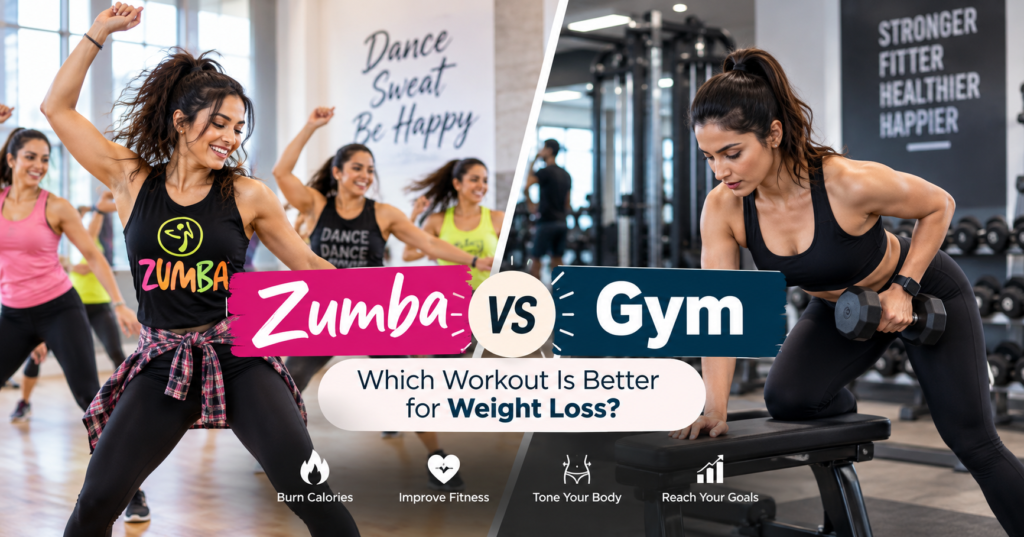
Zumba vs Gym: Which Workout Is Better for Weight Loss? Summary Choosing between Zumba and the gym can be challenging when your primary goal is weight loss. Both can support fat loss, improve fitness, and build a healthier lifestyle, but they offer very different workout experiences. Zumba combines energetic dance movements with cardio, while gym workouts can include strength training, cardio machines, and customized exercises. For women looking for an enjoyable and motivating fitness routine, Zumba can be an effective option, particularly when attending classes consistently. Weight loss is not only about exercising harder—it is about finding a workout you can enjoy and maintain consistently. While traditional gym workouts remain popular, dance-based fitness programs such as Zumba have become increasingly appealing to women who want exercise to feel more enjoyable and social. Zumba is a dance fitness workout that combines simple choreography with upbeat music and continuous movement. Gym workouts, on the other hand, provide access to different forms of exercise, including resistance training, cardio, functional training, and weight machines. So, which is better for weight loss: Zumba or the gym? The answer depends on your fitness goals, preferences, schedule, and how consistently you participate. Understanding the differences can help you choose the workout that fits your lifestyle. Zumba vs Gym for Weight Loss What Is Zumba? Zumba is a group fitness workout that combines dance-inspired movements with aerobic exercise. Classes typically use energetic music and easy-to-follow routines to keep participants moving throughout the session. Because Zumba involves continuous movement, it can provide a strong cardiovascular workout while also making exercise feel less repetitive. Benefits of Zumba for Weight Loss Regular Zumba sessions can offer several benefits, including: Increased physical activity Improved cardiovascular fitness Increased stamina Full-body movement Improved coordination An enjoyable alternative to traditional workouts Motivation through group participation The number of calories burned during a Zumba class varies depending on factors such as body weight, workout intensity, fitness level, and class duration. What Does a Gym Workout Offer? A gym provides a wider range of exercise options. Depending on your goals, you can combine cardio, resistance training, strength exercises, and functional movements. Benefits of Gym Workouts for Weight Loss Gym workouts can help you: Build and maintain muscle Improve strength Perform structured cardio Increase physical activity Develop a customized exercise routine Progressively increase training intensity Strength training is particularly useful because maintaining muscle while losing body fat can help support overall body composition and physical performance. Zumba vs Gym: Which One Should You Choose? Choose Zumba If You Enjoy Dance and Group Workouts If you find traditional gym workouts boring or difficult to maintain, Zumba may be a better fit. The combination of music, movement, and group energy can make each session feel more like an activity you look forward to rather than a chore. For women who enjoy dancing and prefer instructor-led sessions, Zumba can be an engaging way to stay active. Choose the Gym If You Want Strength Training The gym may be more suitable if your primary goals include building strength, developing muscle, or following a structured resistance-training program. You can also combine strength training with cardio to create a comprehensive fitness routine. You Can Combine Zumba and Gym Workouts You do not necessarily have to choose one. Combining Zumba with strength training can provide variety in your fitness routine. For example, you could attend Zumba classes on some days and perform resistance training on others. The most important factor is consistency. Zumba Classes for Ladies: Benefits, Classes & What to Expect Why Are Zumba Classes Popular Among Women? Zumba classes for ladies offer an energetic and supportive environment where participants can exercise through dance-inspired movements. For many women, the social aspect of group classes can make staying consistent with exercise easier. Having a regular class schedule can also create accountability and motivation. Benefits of Zumba Classes for Ladies Supports Cardiovascular Fitness Zumba involves continuous movement, making it a cardio-focused workout. Regular participation can help improve endurance and cardiovascular fitness. Helps Increase Daily Activity Adding regular Zumba sessions to your weekly routine can increase your overall physical activity. When combined with balanced nutrition and healthy lifestyle habits, exercise can support weight-management goals. Improves Stamina Following dance routines for an extended period requires continuous movement. Over time, regular participation may help improve stamina and exercise endurance. Makes Exercise More Enjoyable One of the biggest advantages of Zumba is its entertainment factor. Music and choreography can make workouts feel more engaging than repetitive exercises. Supports Confidence and Coordination Learning dance-based movements can help participants improve coordination and become more comfortable with physical activity. What to Expect From a Ladies Zumba Class Beginner-Friendly Dance Movements You do not need to be an experienced dancer to join Zumba. Most classes use repeated movements and instructor demonstrations, allowing participants to follow along at their own pace. Energetic Music and Continuous Movement Zumba classes typically involve upbeat music and a variety of dance-inspired movements. The goal is to keep participants active while making the session enjoyable. A Group Fitness Environment Ladies’ Zumba classes can provide a social atmosphere where participants exercise alongside other women with similar fitness interests. Different Fitness Levels Can Participate A good instructor can demonstrate modifications and encourage participants to work according to their individual fitness levels. Beginners can start at a comfortable intensity and gradually build endurance. How to Get Better Results From Zumba Attend Classes Consistently Consistency is more important than attending an occasional extremely intense workout. Create a realistic weekly schedule that you can maintain. Combine Exercise With Healthy Nutrition Exercise works best as part of an overall healthy lifestyle. A balanced diet, adequate hydration, sufficient sleep, and regular physical activity can all contribute to your fitness goals. Increase Intensity Gradually If you are new to Zumba, start at a comfortable pace. As your fitness improves, you can gradually increase your effort and participation. Focus on Long-Term Fitness Instead of focusing only on short-term weight changes, consider improvements in stamina, energy, strength, confidence, and
10 Reasons to Join Professional Zumba Classes
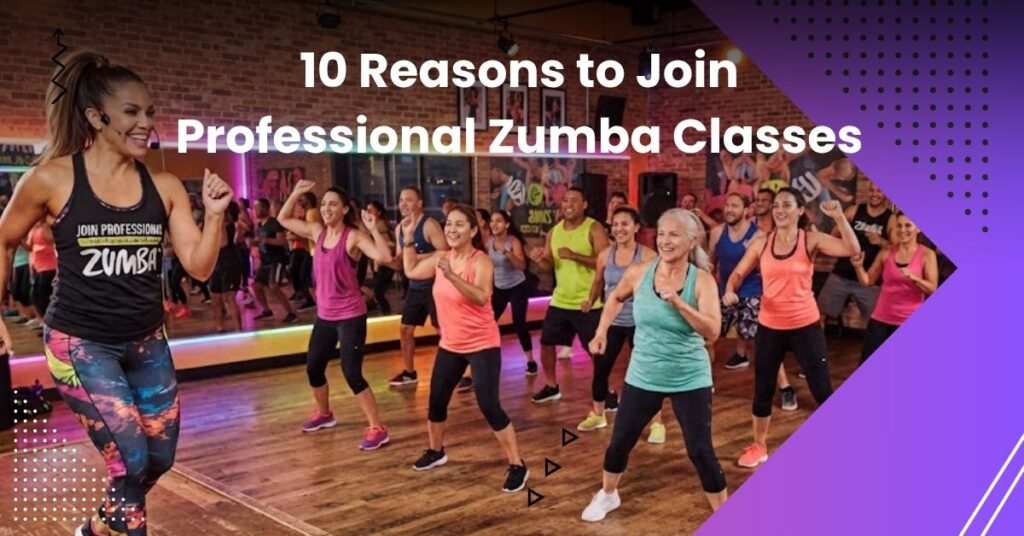
10 Reasons to Join Professional Zumba Classes Summary: This blog explains why professional Zumba classes are a smart and enjoyable way to improve fitness, burn calories, reduce stress, build confidence, and stay consistent with exercise while learning under expert guidance. Readers will learn how professional instruction and group energy can support long-term health and fitness goals. Finding a workout routine that actually feels enjoyable can be difficult. Many people start with good intentions, but regular gym sessions, repetitive routines, or boring home workouts often become hard to follow. That is where Zumba stands out. It brings together music, movement, rhythm, and fitness in a way that feels energetic instead of forced. Professional Zumba classes take this experience even further by offering proper guidance, structured sessions, and a motivating group environment that helps people stay committed. Zumba is widely presented as a dance-fitness workout built around simple repeatable moves, and beginner guides emphasize that it is designed to be approachable even for newcomers. In this article, you will see why joining professional Zumba classes can be a better choice than exercising alone, how they support your body and mind, and what to expect when you start. The goal is simple: help you understand why this form of fitness keeps people coming back week after week. Zumba-style workouts are commonly described as boosting heart rate, improving coordination, and making cardio feel less repetitive, which is exactly why they have become so popular. What Makes Professional Zumba Classes Different From Regular Workout Sessions? Certified Instructors Ensure Proper Guidance Professional Zumba classes are led by trained instructors who know how to pace the session, explain the steps clearly, and modify movements for different fitness levels. That means you are not just copying a routine from a screen; you are learning with real-time guidance. This matters because beginners often need help with posture, rhythm, and timing, especially in fast-paced cardio dance workouts. Zumba’s own beginner material highlights that classes are built to help new participants understand what to expect and how to get started comfortably. Structured Workout Sessions A professional class is not random dancing. It follows a flow that usually includes a warm-up, high-energy tracks, cool-down movements, and sometimes strength-focused segments. This structure helps your body work safely and consistently. It also makes the session feel organized, which is useful for people who want fitness results without having to plan every movement on their own. Safe And Progressive Learning Environment One of the best parts of joining a professional class is that you can progress at your own pace. You do not need dance experience to begin. Many reputable Zumba guides note that low-impact and high-impact options can be used depending on a person’s fitness level, which makes the workout more inclusive and manageable for beginners. What Are The Top Reasons To Join Professional Zumba Classes? 1. It Helps You Get Fit Without Feeling Bored One big reason people enjoy Zumba is that it feels fun instead of tiring. You are not stuck doing the same machine workout again and again. The music, movement, and changing pace keep your mind active and your body moving. This makes the class feel lively and easy to follow, even for beginners. Because the workout feels enjoyable, people are more likely to return regularly. That is important because fitness results usually come from consistency, not one hard session. When exercise feels like something you want to do, it becomes easier to build a lasting habit. 2. It Supports Weight Management Zumba can be a helpful part of a weight-management plan because it keeps your body active and raises your heart rate. It also burns calories while you dance, move, and follow the routine. The exact number of calories depends on your body, class length, and effort level. When combined with healthy eating and regular activity, Zumba may support fat loss and better body control. Many fitness sources describe it as a strong cardio workout. That makes it a smart choice for people who want to stay active while enjoying their exercise routine. 3. It Improves Heart Health And Stamina Zumba is not just dancing for fun. It is also a cardio workout that challenges your heart and lungs. As you keep moving through the class, your body works harder, which can help improve endurance over time. This makes daily activities feel easier. Regular Zumba sessions may also support better stamina and overall cardiovascular fitness. Health experts often recommend aerobic exercise for heart health, and Zumba fits that goal well. Its upbeat pace keeps you moving while giving your body a good workout. Before joining a class, it’s worth understanding the complete zumba benefits that make this dance workout popular among people of all ages. 4. It Makes Exercise Feel Less Stressful Music can change your mood quickly, and that is one reason Zumba feels so refreshing. When you move to the beat, follow the instructor, and stay with the group, your mind gets a break from daily pressure. The class feels active, but not heavy or stressful. Many people find that Zumba helps them relax after a busy day. It can lift your mood and give you a healthy way to release tension. For adults dealing with work stress, it offers both movement and mental relief in one session. One of the biggest reasons people continue attending classes is the lasting zumba benefits for mental health, including improved confidence and reduced everyday stress. 5. It Improves Coordination And Body Control Zumba includes steps, turns, arm movements, and rhythm changes, so your body has to stay alert. At first, some moves may feel difficult, but regular practice helps you learn faster. Over time, your movements become smoother and more natural. This kind of full-body activity can improve balance, agility, and body awareness. Those skills are useful in everyday life too. Better coordination can help you move with more control, whether you are exercising, walking, or doing daily tasks. 6. It Gives You Expert Feedback In Real Time A
Zumba Dance Workout for Beginners: Complete Step-by-Step Guide to Basic Steps
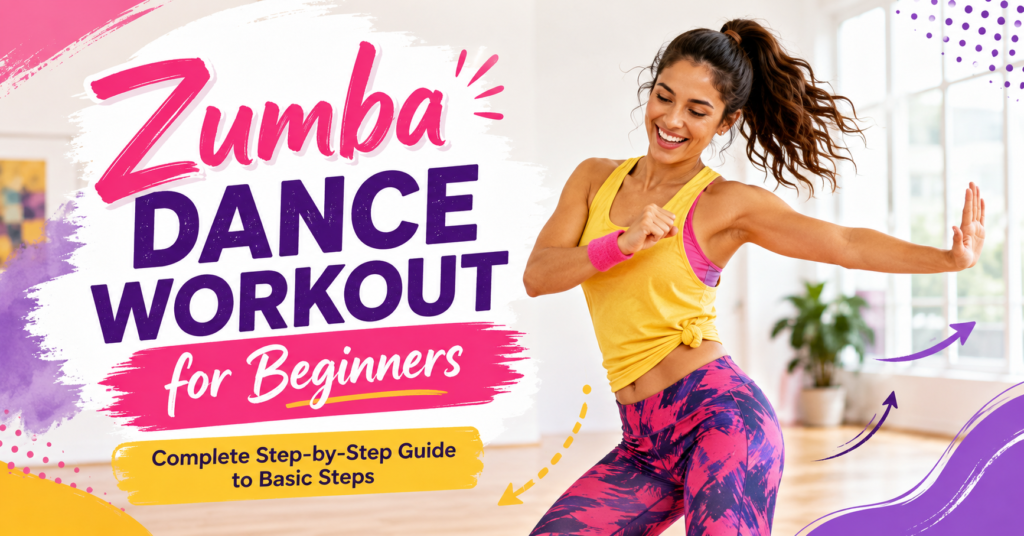
Zumba Dance Workout for Beginners: Complete Step-by-Step Guide to Basic Steps Summary: Zumba is an energetic dance workout that combines simple movements, upbeat music, and cardiovascular exercise. It is suitable for beginners who want to improve fitness, coordination, stamina, and confidence while enjoying an engaging group activity. This guide explains the basic Zumba steps, beginner warm-up exercises, a simple 20-minute workout routine, safety tips, common mistakes, and ways to improve your movements. Starting a new fitness routine can feel difficult, particularly when it involves dancing in front of other people. However, Zumba is designed to be welcoming, enjoyable, and easy to follow. You do not need professional dance experience to participate. Most beginner routines use simple movements that are repeated several times. With regular practice, your rhythm, coordination, stamina, and confidence can gradually improve. Zumba combines dance-inspired movements from salsa, merengue, cumbia, reggaeton, and other international styles. The music keeps the session exciting, while the continuous movements provide an active full-body workout. What Is a Zumba Dance Workout? Zumba is a dance-based fitness workout performed to energetic music. During a class, the instructor demonstrates different movements while participants follow the steps. A typical beginner Zumba class may include: Warm-up exercises Basic dance steps Cardio movements Full-body exercises Short recovery periods Cool-down movements Gentle stretching Unlike many traditional gym workouts, Zumba usually does not require machines or complicated equipment. Comfortable clothes, supportive shoes, a water bottle, and a willingness to move are generally enough to begin. People deciding between different group workouts can also read about the difference between Zumba and aerobics. Is Zumba Suitable for Complete Beginners? Yes, Zumba is suitable for complete beginners, including people who have never attended a dance or fitness class. Beginner-friendly sessions generally focus on: Simple and repeated movements Moderate workout intensity Basic rhythm and coordination Proper posture and balance Easy movement combinations Gradual improvement in stamina You are not expected to perform every movement perfectly during your first few sessions. The main goal is to keep moving, follow the rhythm, and enjoy the workout. Beginners who want structured guidance can join professionally guided beginner Zumba classes in Dubai and learn the movements at a comfortable pace. Benefits of Zumba for Beginners Improves Cardiovascular Fitness Continuous dance movements increase physical activity and help develop cardiovascular endurance. With consistent practice, regular activities such as walking, climbing stairs, and completing daily tasks may begin to feel easier. Supports Weight-Management Goals Zumba keeps different parts of the body moving and can contribute to calorie expenditure. When combined with balanced nutrition, sufficient sleep, and a healthy lifestyle, it may support weight-management goals. People comparing different fitness options can read Zumba vs gym for weight loss before selecting a routine. Improves Coordination Zumba requires you to move your arms, legs, hips, and upper body in rhythm. This helps improve body awareness and coordination over time. Some movements may initially feel challenging, but they usually become more natural with practice. Builds Confidence Learning new dance movements can gradually increase confidence. A positive group environment can also help beginners feel less nervous about exercising in front of others. Provides a Full-Body Workout Zumba movements can involve the legs, hips, core, shoulders, and arms. Side steps, squats, knee lifts, arm reaches, and dance combinations help keep the whole body active. Makes Exercise More Enjoyable Upbeat music and changing routines can make Zumba feel less repetitive than traditional workouts. People who enjoy the activity may find it easier to stay consistent. Supports Emotional Well-Being Music, physical movement, and group participation can create an uplifting workout experience. Learn more about how movement and music may support emotional wellness in this guide to Zumba for mental energy and stress relief. You can also explore the detailed guide covering the health benefits of Zumba. What Do Beginners Need Before Starting Zumba? Comfortable Workout Clothes Wear lightweight and breathable clothes that allow your arms and legs to move freely. Avoid clothing that feels restrictive or becomes uncomfortable when you bend, turn, or stretch. Supportive Footwear Choose comfortable sports or dance-fitness shoes that provide stability and support. Avoid sandals, slippers, heavy shoes, or footwear that prevents smooth side-to-side movement. Water Bottle Keep a water bottle nearby, particularly during longer sessions. Take small water breaks whenever required. Small Towel Zumba can be energetic, so carrying a small towel may help you remain comfortable during the workout. Positive Attitude Do not worry about getting every step right. Focus on movement, rhythm, enjoyment, and gradual improvement. Instructor Guidance Tell your instructor that you are a beginner. You should also mention any previous injuries, physical limitations, or movement concerns before the session begins. Step-by-Step Zumba Warm-Up for Beginners A proper warm-up helps prepare your muscles and joints for more active movement. Spend approximately five to ten minutes warming up before beginning the main workout. Step 1: March in Place Stand with your feet comfortably apart. Lift one foot and then the other as though you are walking without moving forward. Allow your arms to move naturally and keep your shoulders relaxed. Continue for approximately one minute. Step 2: Side-to-Side Step Step towards the right with your right foot and bring your left foot closer. Repeat the same movement towards the left. Keep your knees slightly bent and avoid making the movements too large. Step 3: Shoulder Rolls Slowly roll your shoulders backwards several times. After that, roll them forwards. Keep your neck relaxed and perform the movements gently. Step 4: Gentle Hip Movements Place your hands on your hips and move your hips slowly from one side to the other. You may also perform small hip circles. Avoid forcing or exaggerating the movement. Step 5: Arm Reaches Raise one arm above your head and gently reach towards the opposite side. Return to the centre and repeat with the other arm. Step 6: Heel Taps Place your right heel forward while keeping your left foot on the floor. Return to the centre and repeat with the left heel. Add gentle arm
At What Age Can Kids Start Zumba Classes?
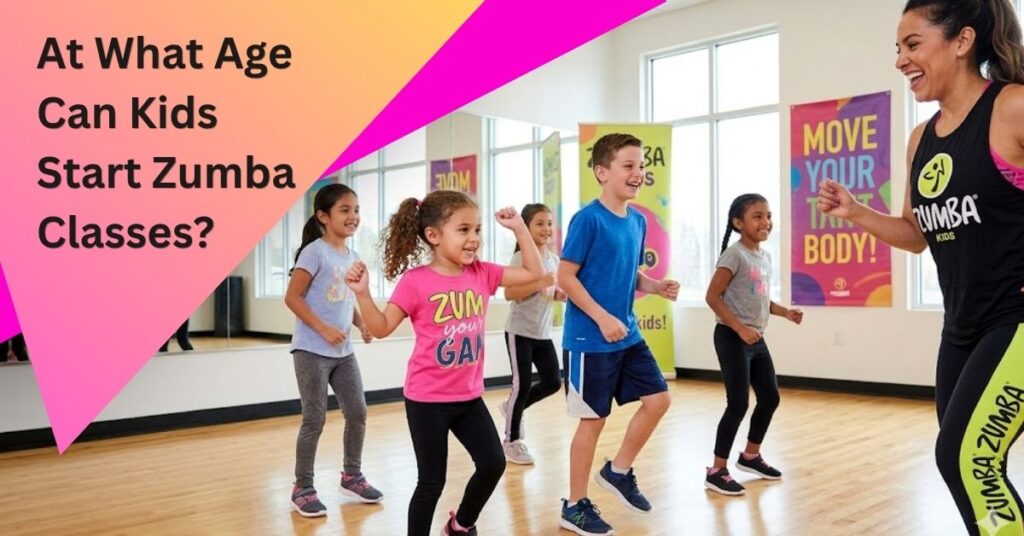
At What Age Can Kids Start Zumba Classes? Summary : In this blog, you’ll learn the ideal age for kids to start Zumba classes, how different age groups benefit from Zumba, signs that your child is ready to join, and what parents should look for when choosing a class. We’ll also explore the physical, social, and confidence-building benefits of Zumba and explain why it has become a popular activity for children in Dubai. Finding the right activity for a child is not always easy. Parents want something that is fun, healthy, safe, and worth the time. In Dubai, where families often look for indoor activities that keep children active year-round, Zumba has become a popular choice. It combines music, movement, rhythm, and energy in a way that feels more like play than exercise. But one question comes up again and again: At what age can kids start Zumba classes? The answer depends on the child’s stage of development, attention span, and comfort in group settings. In many cases, children can begin age-appropriate movement classes as early as 4 years old, while older kids can join more structured Zumba sessions designed for their age group. The key is not rushing the process, but choosing a class that matches the child’s abilities and keeps the experience enjoyable.. Why Is Zumba a Fun Activity for Kids? One of the biggest reasons children enjoy Zumba is that it feels more like play than exercise. The combination of upbeat music, exciting dance moves, and interactive activities keeps kids engaged throughout the class. Instead of focusing on strict techniques or competition, Zumba encourages children to move freely, express themselves, and have fun while staying active. Kids also enjoy the variety that Zumba offers. Classes often include different music styles, simple dance routines, movement games, and group activities that prevent boredom and keep the energy high. The positive atmosphere helps children feel comfortable participating, regardless of their skill level. As they dance, laugh, and interact with other children, they build confidence, make new friends, and develop a lasting love for physical activity. What Is the Right Age for Kids to Start Zumba Classes? There is no single perfect age for every child, but there are general age ranges that help parents decide when their child may be ready. Ages 0–3 Children in this age group are usually too young for structured Zumba classes. However, they can still enjoy parent-child music and movement sessions. These activities help build early rhythm, sensory awareness, and bonding with a parent or caregiver. At this stage, the goal is not dance training. It is simply to introduce music, movement, and joy in a gentle way. Ages 4–6 This is often the first age range where children can join a beginner Zumba-style class. Kids in this group usually have enough focus to follow simple steps, copy movements, and participate in short routines. Classes for this age group should stay light, playful, and simple. Movements should be easy to repeat, and the instructor should use encouragement more than correction. At this age, children benefit most from learning rhythm, balance, coordination, and listening skills through fun activities. Ages 7–11 Children in this age group are often ready for more structured Zumba classes. They can follow longer routines, remember sequences, and participate more actively in group sessions. This is also a great stage for building confidence. Children often enjoy moving with friends, learning in a group, and feeling proud when they can follow the class independently. At this age, Zumba can become both a fitness activity and a social experience. Ages 12 and above Pre-teens and teenagers usually enjoy more energetic sessions with slightly more complex choreography. At this stage, Zumba can become a strong outlet for self-expression, fitness, and stress relief. Many older children also begin to care more about body confidence, personal style, and social belonging. A good Zumba class can support all of that in a positive way. What Are the Differences Between Zumba for Kids and Zumba for Teens? While both kids’ and teens’ Zumba classes focus on movement, fitness, and fun, they are designed differently to suit each age group’s abilities and interests. Younger children typically enjoy simple dance routines, games, and activities that help develop coordination and confidence. Teen Zumba classes, on the other hand, often feature faster-paced choreography, greater fitness challenges, and opportunities for self-expression through dance. Choosing an age-appropriate class helps ensure that participants stay engaged, learn comfortably, and enjoy the experience. As children grow, their physical abilities, attention spans, and fitness goals change, which is why Zumba programs are usually tailored to specific age groups. Feature Zumba for Kids Zumba for Teens Typical Age Group 4–11 years 12–17 years Class Focus Fun, movement, and basic coordination Fitness, endurance, and dance skills Dance Complexity Simple and easy-to-follow routines More advanced choreography Class Structure Games, activities, and interactive learning Structured dance fitness sessions Main Goal Developing a love for movement Improving fitness while enjoying dance Both programs offer valuable benefits, but the right choice depends on a child’s age, confidence level, and personal interests. Whether joining a kids’ Zumba class or progressing to a teen program, the goal remains the same: helping young people stay active, healthy, and engaged through the power of music and movement. Signs Your Child Is Ready for Zumba Age is important, but readiness matters too. Some children are ready earlier, while others need a little more time. Here are a few signs that your child may be ready to join a Zumba class: Your child enjoys music and movement. Your child can follow simple instructions. Your child is comfortable being part of a group. Your child has enough attention span to stay involved for the duration of the class. Your child shows interest in dancing, singing, or copying movements at home. If a child is shy, that does not mean Zumba is not a good fit. In many cases, children who are reserved at first begin to open up as they become familiar
Zumba for Seniors: Benefits and Safety Tips
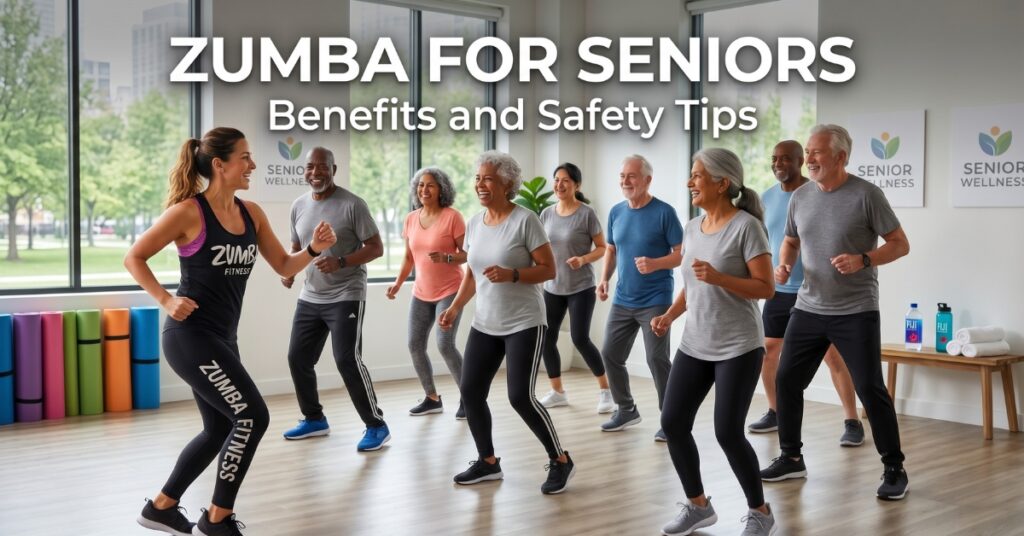
Zumba for Seniors: Benefits and Safety Tips Summary: Zumba is a fun, low-impact fitness activity that combines dance and exercise, making it an excellent option for seniors looking to stay active. Regular Zumba sessions can improve heart health, balance, flexibility, strength, and mental well-being while providing valuable social interaction. With the right precautions and guidance, seniors can safely enjoy Zumba and maintain a healthier, more active lifestyle. As people age, maintaining an active lifestyle becomes increasingly important for overall health and well-being. Regular physical activity helps improve mobility, strengthen muscles, support heart health, and enhance mental wellness. However, many seniors find traditional exercise routines repetitive or difficult to maintain. Zumba offers a refreshing alternative. Combining dance-inspired movements with energetic music, Zumba transforms exercise into an enjoyable activity. Many seniors are now embracing Zumba as a fun way to stay fit, socialize, and improve their quality of life. Whether you’re looking to boost your fitness level or simply find a workout you enjoy, Zumba can be an excellent choice for older adults. What Is Zumba? Zumba is a dance fitness program that combines aerobic exercise with dance movements inspired by various music styles, including salsa, merengue, cumbia, and international rhythms. The workout is designed to be accessible and enjoyable for participants of all fitness levels. For older adults, many fitness centers offer Zumba Gold, a modified version of the traditional program. Zumba Gold features lower-impact movements, slower-paced routines, and exercises specifically designed to improve balance, flexibility, and coordination. Benefits of Zumba for Seniors Improves Cardiovascular Health Heart health becomes a priority as we age. Zumba provides an effective aerobic workout that helps strengthen the cardiovascular system while remaining enjoyable and engaging. Regular participation can help: Improve blood circulation Increase endurance and stamina Support healthy blood pressure levels Strengthen the heart A healthier cardiovascular system can make daily activities easier and reduce the risk of certain health complications. Enhances Balance and Coordination Maintaining balance is essential for preventing falls and injuries. Zumba routines involve coordinated movements that challenge the body in a safe and controlled manner. Benefits include: Improved balance and stability Better body awareness Enhanced coordination Reduced risk of falls These improvements can help seniors maintain their independence and confidence in everyday life. Supports Healthy Weight Management Many seniors experience changes in metabolism that can make weight management more difficult. Zumba helps burn calories while keeping participants motivated through music and movement. Consistent participation can contribute to: Weight maintenance Increased calorie expenditure Better energy levels Improved overall fitness Because the workout feels more like dancing than exercising, it can be easier to stay committed long-term. Strengthens Muscles and Joints Muscle strength naturally declines with age, making regular physical activity important for maintaining mobility and function. Zumba engages multiple muscle groups through repetitive movement patterns that help: Build muscular endurance Improve joint mobility Enhance flexibility Support better posture Stronger muscles can also help reduce strain on joints and improve daily movement. Boosts Mental Health Exercise is known to positively affect mental well-being, and Zumba adds the extra benefits of music and social interaction. Participating in Zumba can help: Reduce stress Improve mood Increase self-confidence Promote emotional well-being Many seniors find that the uplifting atmosphere of a Zumba class leaves them feeling happier and more energized. Supports Cognitive Function Learning and following dance routines requires concentration, memory, and coordination. These mental challenges help keep the brain engaged. Potential cognitive benefits include: Improved memory Better focus and concentration Enhanced mental agility Increased brain stimulation Combining physical activity with mental engagement makes Zumba a valuable exercise for overall wellness. Encourages Social Connections Social interaction is an important part of healthy aging. Group fitness classes create opportunities to connect with others who share similar interests. Zumba classes can help seniors: Meet new people Develop friendships Stay socially active Reduce feelings of isolation The sense of community often becomes one of the most rewarding aspects of participating in regular classes. Safety Tips for Seniors Doing Zumba Consult a Healthcare Professional Before beginning any new exercise program, seniors should speak with their healthcare provider, particularly if they have existing medical conditions or concerns. A medical consultation can help determine whether Zumba is suitable and identify any modifications that may be necessary. Choose the Right Class Not all Zumba classes are the same. Seniors should look for beginner-friendly or senior-focused programs such as Zumba Gold. These classes are specifically designed to accommodate varying fitness levels and physical limitations. Wear Supportive Footwear Proper footwear is essential for safety and comfort. Choose athletic shoes that provide: Good arch support Cushioning Stability Non-slip soles Supportive shoes can help reduce the risk of slips, falls, and joint discomfort. Stay Hydrated Hydration plays an important role in maintaining energy and preventing fatigue during exercise. Seniors should: Drink water before class Stay hydrated during the workout Replenish fluids afterward Proper hydration supports overall health and exercise performance. Listen to Your Body Every individual has different fitness capabilities. Seniors should work at a comfortable pace and avoid pushing beyond their limits. Stop exercising and seek medical attention if you experience: Chest pain Dizziness Severe shortness of breath Unusual discomfort The goal is steady progress and enjoyment rather than intense exertion. Warm Up and Cool Down Properly A proper warm-up prepares the body for physical activity, while a cool-down helps the body recover afterward. Benefits include: Reduced injury risk Improved flexibility Better muscle recovery Gradual heart rate adjustment Most professional Zumba classes include warm-up and cool-down sessions as part of the workout. Modify Movements When Necessary Seniors should feel comfortable adapting exercises to match their abilities. Common modifications include: Reducing movement intensity Avoiding jumps Slowing down the pace Using support when needed Making adjustments allows participants to enjoy the benefits of Zumba while minimizing the risk of injury. Getting Started with Zumba as a Senior! If you’re new to Zumba, start slowly and focus on learning the basic movements. Attend beginner-friendly classes, wear comfortable clothing, and prioritize consistency over intensity. As your confidence and fitness improve, you’ll
