 Summary: Your first Kathak performance can feel exciting — and a bit overwhelming. This guide covers practice techniques, stage confidence, costume preparation, expressions, and etiquette so you feel calm, ready, and radiant on stage.
Performing Kathak on stage for the first time is unforgettable. The rhythmic ghungroos, graceful spins, storytelling expressions, and live audience create a magical moment. But alongside excitement, many dancers worry: What if I forget? What if I miss the beat?
With the right preparation, those fears turn into confidence. Whether you’re a child or adult beginner, the steps below will help you perform gracefully, respectfully, and joyfully.
Understand the Essence of Kathak
Kathak is more than technique — it is rhythm, storytelling, devotion, and emotion. Before memorizing steps, understand the theme and rasa (emotion) of your choreography. When you connect to the story, your expressions flow naturally and your performance feels alive.
Practice Smart, Not Just Hard
Consistent, structured practice builds confidence.
Break your practice into sections
Tatkaar (footwork)
Spins and transitions
Tode, tukde, paran, and tihais
Abhinaya (expressions)
Use helpful tools
Practice with a tabla or metronome app
Record your rehearsals
Do at least one full run without stopping, like a real performance
Focus especially on transitions — many beginners forget what comes after a spin or sequence.
Strengthen Your Footwork (Tatkaar)
Strong footwork forms the base of Kathak.
Daily tatkaar practice
Keep heels grounded and controlled
Maintain balance through your core
Ensure each beat sounds clear and even
Increase speed gradually
When your footwork is steady, nerves reduce and rhythm becomes natural.
Master Facial Expressions (Abhinaya)
Kathak communicates stories through expressions.
Practice expressions regularly
Work in front of a mirror
Use your eyes and eyebrows gently
Match emotions with the lyrics or bols
Avoid overacting — subtlety looks elegant
When your expressions connect with the audience, your performance becomes memorable.
Maintain Graceful Posture and Hand Movements
Posture reflects discipline.
Key posture reminders
Keep spine tall
Relax shoulders
Lift chest gently
Avoid unnecessary fidgeting
Hand movements and mudras should be controlled, soft, and fully extended — not stiff.
Rehearse Stage Entry and Exit
Your performance begins the moment you step on stage.
Practice stage presence
Enter calmly
Perform pranam to the stage, audience, and guru
Take your position gracefully
Exit with dignity and composure
Knowing these details helps you feel organized and confident.
Costume, Makeup, and Ghungroos
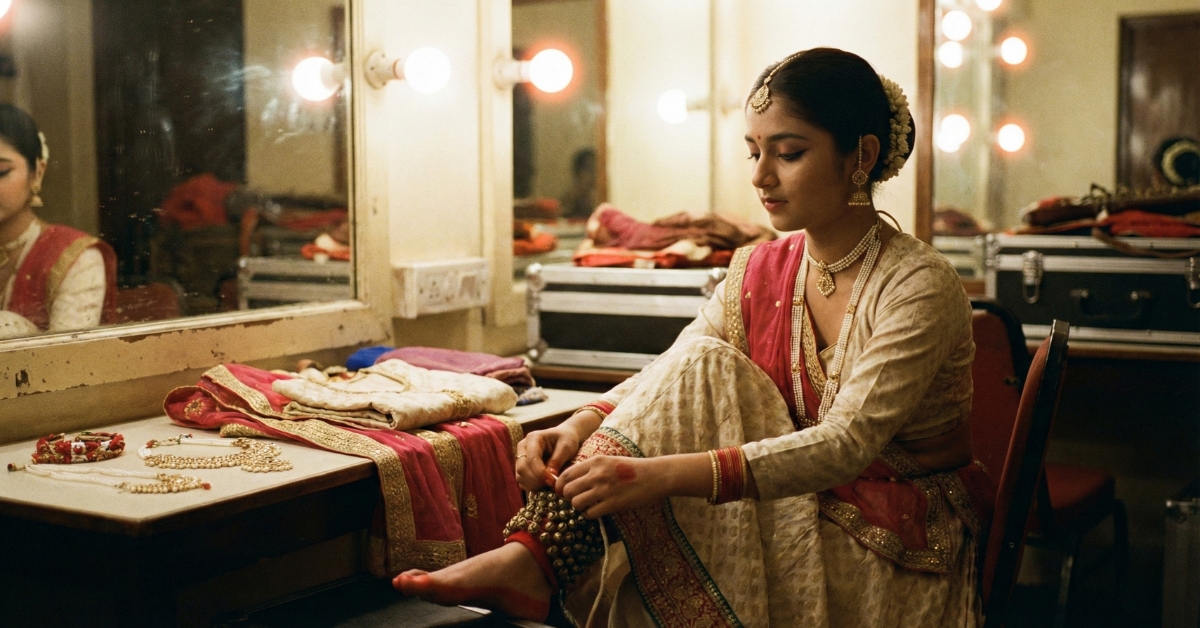
Prepare everything a day in advance.
Costume checklist
Well-fitted costume
Secure dupatta
Comfortable for spins
Matching jewelry
Ghungroos
Tie securely — not too loose or tight
Double-check knots
Practice dancing with them beforehand
Makeup
Highlight eyes and lips so expressions remain visible under lights — but keep it elegant and neat.
Learn Stage Etiquette
Classical dance is rooted in respect.
Essential etiquette
Be disciplined backstage
Maintain silence and focus
Appreciate fellow performers
Acknowledge your guru’s guidance
Good behavior off-stage enhances your identity as a serious performer.
Prepare Your Mind and Emotions
Even professionals feel nervous — it’s natural.
Try simple calming techniques
Deep breathing
Visualizing your performance
Positive affirmations like: “I am ready. I practiced well.”
If something goes wrong, continue confidently. Most people never notice small mistakes.
Learn and Grow After the Show
Every performance is a step forward.
After-performance reflection
Watch your recording
Ask your guru for feedback
Note posture, timing, expressions, and transitions
Kathak is a lifelong journey — enjoy each milestone with patience and dedication.
Step Onto the Stage With Confidence!
Your first Kathak stage performance marks the beginning of your artistic journey. With proper practice, posture, expressions, costume readiness, and mental calm, you can step onto the stage with confidence and grace. If you’re looking for guidance, learning from the best kathak classes in Dubai can help you build strong foundations and stage confidence. Dance with devotion — when your heart is involved, the audience always feels it.
Want expert guidance to prepare for your Kathak performance?
Upaj Academy offers structured training, stage rehearsals, personalized mentoring, and supportive coaching for beginners and aspiring performers.
Start your Kathak journey with confidence.
Join Upaj Academy today and let your dance speak!
Frequently Asked Questions
How long should I practice before my first performance?
Most beginners perform confidently after 3–6 months of regular, guided practice. Consistency matters more than speed.
2. What if I forget my steps on stage?
Stay calm, continue basic tatkaar, and rejoin the choreography when you remember. Confidence matters more than perfection.
3. Do I need heavy makeup for Kathak?
Not heavy — but stage lights are strong. Defined eyes, bindi, and slightly bold lips help display expressions clearly.
4. Should I practice with ghungroos before performing?
Yes. Practicing with ghungroos helps adjust to their weight and ensures cleaner foot sounds.
5. How can I improve abhinaya?
Understand the story, observe professional performances, and practice emotions daily in front of a mirror.
- All Posts
- Bharatanatayam
- Blog
- Bollywood
- kathak
- Zumba