Common Mistakes Beginners Make in Kathak & How to Fix Them
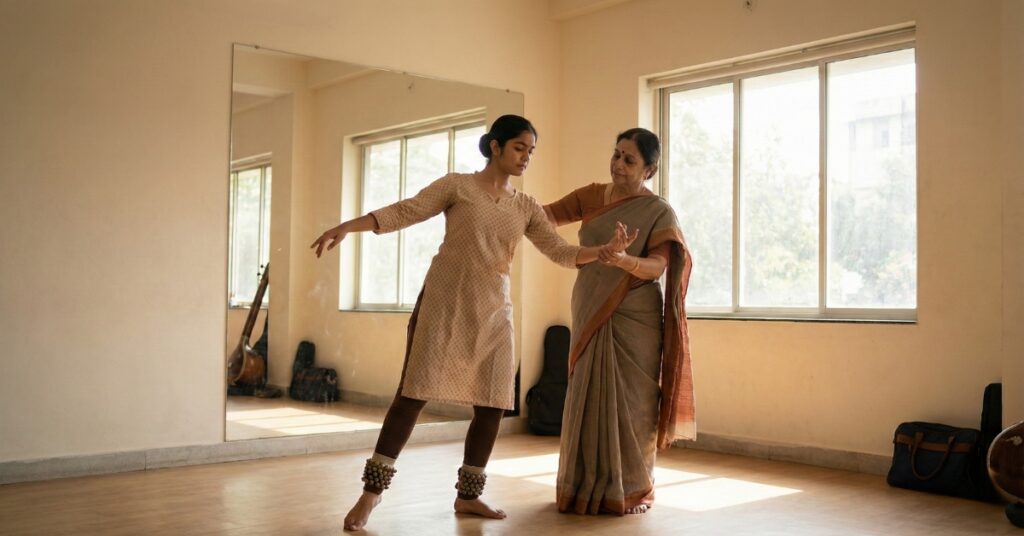
Common Mistakes Beginners Make in Kathak & How to Fix Them? Summary: Beginners often struggle with timing, posture, expressions, and stage confidence in Kathak. This guide explains the most common mistakes — and simple, practical ways to correct them so you grow confidently as a dancer. Kathak is graceful, rhythmic, expressive — and deeply disciplined. Every dancer makes mistakes in the beginning, and that’s completely normal. What truly matters is recognizing them early and correcting them with the right practice. Whether you are preparing for your first performance or polishing your basics, understanding these common errors will help you dance with clarity, control, and confidence. Let’s look at the mistakes most Kathak beginners make — and how to fix them the right way. Mistake 1: Rushing the Rhythm (Laya) Many beginners try to match fast beats before mastering slow ones. This leads to uneven tatkaar and missed bols. How to fix it? Practice slow laya first, then gradually increase speed Use a tabla/metronome app for timing Count beats aloud while dancing Repeat tricky sections separately before adding them back Strong control at slow tempo builds accuracy for faster pieces later. Mistake 2: Weak Footwork Sounds (Tatkaar) Soft, unclear foot taps reduce rhythm clarity and stage presence. How to fix it? Keep heels grounded and controlled Shift weight correctly — not too forward or backward Tie ghungroos properly Practice 15–20 minutes of daily tatkaar Aim for clean, even sound — not loud stamping. Mistake 3: Slouching or Stiff Posture Some dancers lean forward, while others become overly stiff — both break the beauty of movement. How to fix it? Keep the spine tall and lifted Relax shoulders and neck Engage the core gently Practice in front of a mirror to check alignment Grace comes from relaxed strength, not tension. Mistake 4: Hands and Mudras Not Fully Extended Half-bent elbows or restless fingers distract the audience. How to fix it? Stretch arms softly, avoiding stiffness Hold mudras firmly but gracefully Coordinate hand movement with footwork and eyes Avoid fidgeting when standing still Every gesture should feel intentional. Mistake 5: Overacting or No Expressions at All Either exaggerating or freezing the face can break emotional flow. How to fix it? Understand the story or theme before dancing Practice subtle emotions in front of the mirror Use gentle eyebrow and eye movements Smile naturally — not forcefully Abhinaya should feel honest, not dramatic. Mistake 6: Forgetting Transitions Between Steps Beginners often remember sections but forget what comes next. How to fix it? Break choreography into small chunks Practice connecting pieces smoothly Do complete run-throughs without stopping Visualize sequences mentally before dancing Confidence grows when every transition feels clear. Mistake 7: Not Practicing With Ghungroos Some students only wear ghungroos on performance days, making movement uncomfortable. How to fix it? Practice regularly with ghungroos Tie them evenly and securely Get comfortable walking and spinning in them They are part of the rhythm — treat them like an instrument. Mistake 8: Ignoring Stage Etiquette Talking backstage, forgetting pranam, or exiting hurriedly can look unprofessional. How to fix it? Show respect to the stage, musicians, and guru Maintain silence behind the curtain Practice entry, pranam, and exit Bow gracefully before leaving Etiquette reflects discipline — an essential part of classical dance. Mistake 9: Comparing Yourself to Others Comparing progress often leads to frustration and loss of motivation. How to fix it? Focus on your journey Track personal improvements Ask your guru for guidance, not validation Celebrate small wins — they matter Every dancer grows at their own pace. Mistake 10: Skipping Basics to Learn “Fancy” Steps Spins and fast sequences look exciting, but without basics they fall apart quickly. How to fix it? Prioritize tatkaar, posture, and balance Repeat basics daily, even as you advance Treat foundation as your strongest weapon Great dancers master fundamentals — then everything else flows easily. Your Kathak Journey Gets Stronger With Practice Mistakes are not failures — they are signs that you are learning, exploring, and improving. When you correct them patiently, your rhythm becomes steady, your expressions feel natural, and your confidence shines on stage. Stay disciplined, practice mindfully, and let your dedication guide you forward. And if you want expert guidance, learning from the best kathak classes in Jumeirah Park, Dubai can help you refine your technique faster and perform with greater confidence. Frequently Asked Questions Is it normal to struggle with rhythm at the beginning? Yes — rhythm improves with slow, consistent practice and proper guidance. How long does it take to correct posture and footwork? With daily practice, most students see improvement within a few weeks. Should beginners perform on stage early? Yes, small stage experiences build confidence — as long as basics are practiced. How can I avoid forgetting steps during a performance? Rehearse full runs, visualize sequences, and stay calm if you miss something. Do I need daily practice to improve in Kathak? Even 20–30 focused minutes a day makes a big difference — consistency matters most. Get AI Insights on This Post: CHat – gpt Perplexity Google AI Grok More than 2 results are available in the PRO version (This notice is only visible to admin users) Most Recent Posts All Posts Bharatanatayam Blog Bollywood kathak Zumba Bharatanatyam Dance Costumes, Jewellery, And Makeup Guide Top 10 Benefits Of Learning Kathak Dance For Children and Adults How Long Does It Take to Learn Kathak? Category Bharatanatayam (14) Blog (65) Bollywood (8) kathak (41) Zumba (24) Explore Our Services Join our fun and engaging dance, music, and art classes for all ages! Explore More
How to Prepare for Your First Kathak Stage Performance: A Complete Beginner’s Guide
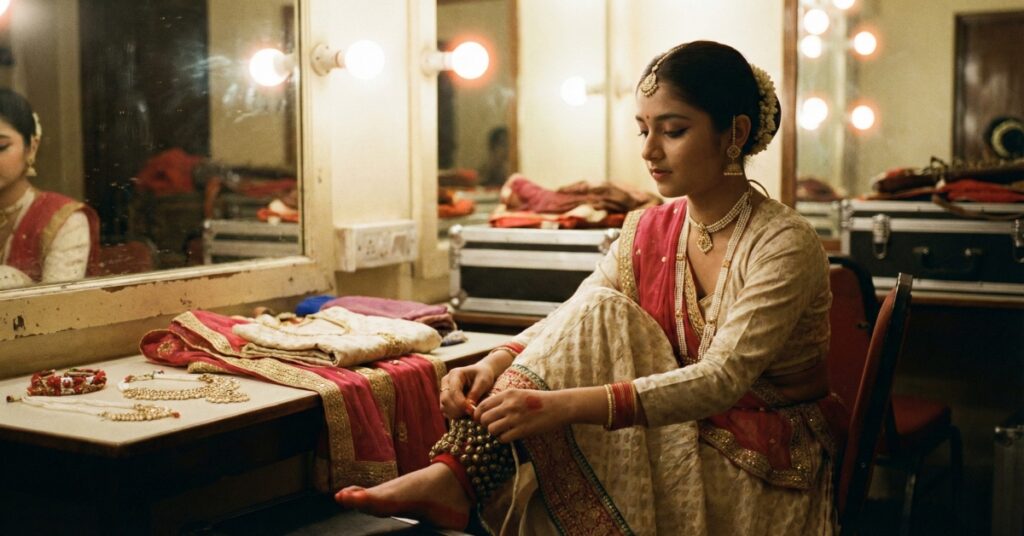
How to Prepare for Your First Kathak Stage Performance: A Complete Beginner’s Guide Summary: Your first Kathak performance can feel exciting — and a bit overwhelming. This guide covers practice techniques, stage confidence, costume preparation, expressions, and etiquette so you feel calm, ready, and radiant on stage. Performing Kathak on stage for the first time is unforgettable. The rhythmic ghungroos, graceful spins, storytelling expressions, and live audience create a magical moment. But alongside excitement, many dancers worry: What if I forget? What if I miss the beat? With the right preparation, those fears turn into confidence. Whether you’re a child or adult beginner, the steps below will help you perform gracefully, respectfully, and joyfully. Understand the Essence of Kathak Kathak is more than technique — it is rhythm, storytelling, devotion, and emotion. Before memorizing steps, understand the theme and rasa (emotion) of your choreography. When you connect to the story, your expressions flow naturally and your performance feels alive. Practice Smart, Not Just Hard Consistent, structured practice builds confidence. Break your practice into sections Tatkaar (footwork) Spins and transitions Tode, tukde, paran, and tihais Abhinaya (expressions) Use helpful tools Practice with a tabla or metronome app Record your rehearsals Do at least one full run without stopping, like a real performance Focus especially on transitions — many beginners forget what comes after a spin or sequence. Strengthen Your Footwork (Tatkaar) Strong footwork forms the base of Kathak. Daily tatkaar practice Keep heels grounded and controlled Maintain balance through your core Ensure each beat sounds clear and even Increase speed gradually When your footwork is steady, nerves reduce and rhythm becomes natural. Master Facial Expressions (Abhinaya) Kathak communicates stories through expressions. Practice expressions regularly Work in front of a mirror Use your eyes and eyebrows gently Match emotions with the lyrics or bols Avoid overacting — subtlety looks elegant When your expressions connect with the audience, your performance becomes memorable. Maintain Graceful Posture and Hand Movements Posture reflects discipline. Key posture reminders Keep spine tall Relax shoulders Lift chest gently Avoid unnecessary fidgeting Hand movements and mudras should be controlled, soft, and fully extended — not stiff. Rehearse Stage Entry and Exit Your performance begins the moment you step on stage. Practice stage presence Enter calmly Perform pranam to the stage, audience, and guru Take your position gracefully Exit with dignity and composure Knowing these details helps you feel organized and confident. Costume, Makeup, and Ghungroos Prepare everything a day in advance. Costume checklist Well-fitted costume Secure dupatta Comfortable for spins Matching jewelry Ghungroos Tie securely — not too loose or tight Double-check knots Practice dancing with them beforehand Makeup Highlight eyes and lips so expressions remain visible under lights — but keep it elegant and neat. Learn Stage Etiquette Classical dance is rooted in respect. Essential etiquette Be disciplined backstage Maintain silence and focus Appreciate fellow performers Acknowledge your guru’s guidance Good behavior off-stage enhances your identity as a serious performer. Prepare Your Mind and Emotions Even professionals feel nervous — it’s natural. Try simple calming techniques Deep breathing Visualizing your performance Positive affirmations like: “I am ready. I practiced well.” If something goes wrong, continue confidently. Most people never notice small mistakes. Learn and Grow After the Show Every performance is a step forward. After-performance reflection Watch your recording Ask your guru for feedback Note posture, timing, expressions, and transitions Kathak is a lifelong journey — enjoy each milestone with patience and dedication. Step Onto the Stage With Confidence! Your first Kathak stage performance marks the beginning of your artistic journey. With proper practice, posture, expressions, costume readiness, and mental calm, you can step onto the stage with confidence and grace. If you’re looking for guidance, learning from the best kathak classes in Dubai can help you build strong foundations and stage confidence. Dance with devotion — when your heart is involved, the audience always feels it. Want expert guidance to prepare for your Kathak performance? Upaj Academy offers structured training, stage rehearsals, personalized mentoring, and supportive coaching for beginners and aspiring performers. Start your Kathak journey with confidence.Join Upaj Academy today and let your dance speak! Frequently Asked Questions How long should I practice before my first performance? Most beginners perform confidently after 3–6 months of regular, guided practice. Consistency matters more than speed. 2. What if I forget my steps on stage? Stay calm, continue basic tatkaar, and rejoin the choreography when you remember. Confidence matters more than perfection. 3. Do I need heavy makeup for Kathak? Not heavy — but stage lights are strong. Defined eyes, bindi, and slightly bold lips help display expressions clearly. 4. Should I practice with ghungroos before performing? Yes. Practicing with ghungroos helps adjust to their weight and ensures cleaner foot sounds. 5. How can I improve abhinaya? Understand the story, observe professional performances, and practice emotions daily in front of a mirror. Get AI Insights on This Post: CHat – gpt Perplexity Google AI Grok More than 2 results are available in the PRO version (This notice is only visible to admin users) Most Recent Posts All Posts Bharatanatayam Blog Bollywood kathak Zumba Bharatanatyam Dance Costumes, Jewellery, And Makeup Guide Top 10 Benefits Of Learning Kathak Dance For Children and Adults How Long Does It Take to Learn Kathak? Category Bharatanatayam (14) Blog (65) Bollywood (8) kathak (41) Zumba (24) Explore Our Services Join our fun and engaging dance, music, and art classes for all ages! Explore More
Top 10 Bharatanatyam Moves Every Beginner Should Know
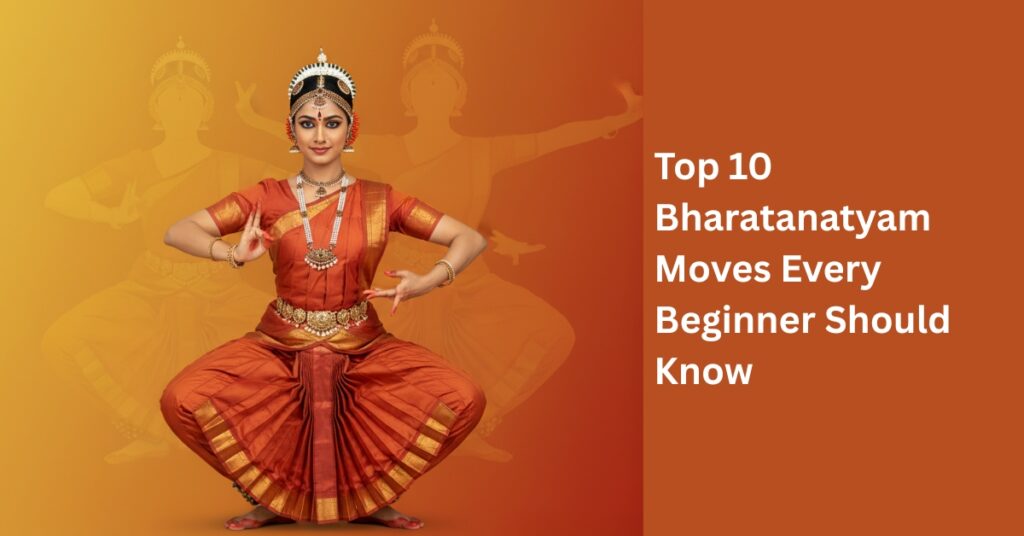
Top 10 Bharatanatyam Moves Every Beginner Should Know Bharatanatyam, one of the oldest classical dance forms of India, is celebrated for its grace, rhythm, and storytelling ability. Originating in Tamil Nadu, this dance form combines intricate footwork, expressive hand gestures (mudras), and captivating facial expressions to narrate stories from Hindu mythology. For beginners, understanding the foundational moves is crucial to mastering Bharatanatyam. Here, we explore the top 10 Bharatanatyam moves that every beginner should know. 1. Aramandi (Half-Sitting Position) Aramandi is the fundamental stance in Bharatanatyam. Also called the half-sitting posture, it strengthens the legs and provides a stable base for all movements. Beginners should focus on keeping the knees bent outward, the back straight, and the feet firmly on the ground. Practicing Aramandi regularly improves balance, stamina, and control, forming the foundation for more advanced steps. 2. Adavu (Basic Steps) Adavu refers to the basic steps or sequences in Bharatanatyam. There are several types of Adavus, including Tatta Adavu, Natta Adavu, and Kuditta Mettu Adavu. Each Adavu combines rhythmic footwork with hand gestures and body movements. Beginners should start with Tatta Adavu, which involves stamping the feet in rhythm while maintaining perfect posture. Adavus are essential as they teach coordination between the hands, feet, and expressions. 3. Mudras (Hand Gestures) Mudras are symbolic hand gestures used to convey emotions, actions, and objects. In Bharatanatyam, there are 28 single-hand mudras (Asamyuta Hastas) and 24 double-hand mudras (Samyuta Hastas). Beginners often start with basic mudras like Pataka, Tripataka, and Ardhapataka. Mastery of mudras allows dancers to narrate stories and express emotions effectively, making them a vital part of the learning process. 4. Kuditta Mettu (Jumping Step) Kuditta Mettu is a dynamic step that adds energy to the performance. It involves a controlled jump while maintaining the Aramandi position. Beginners should focus on keeping rhythm, landing softly, and coordinating hand movements with the footwork. Practicing Kuditta Mettu enhances agility, timing, and coordination, essential skills for advancing in Bharatanatyam. 5. Tattu Mettu (Stamping Step) Tattu Mettu is one of the earliest steps taught to beginners. It involves stamping the feet in a rhythmic pattern while maintaining Aramandi. This step helps in understanding rhythm, balance, and the synchronization of body and foot movements. Regular practice of Tattu Mettu improves leg strength and builds confidence in executing complex sequences later on. 6. Natta Adavu (Traveling Step) Natta Adavu is a graceful traveling step that helps dancers move across the stage while maintaining elegance and rhythm. Beginners learn to coordinate their footwork with hand gestures, maintaining posture and fluidity. This step is essential for performing sequences that require movement across different areas, making the performance visually appealing. 7. Kapitthaka (Expressive Gesture) Kapitthaka is a mudra used to express various emotions and objects. In combination with facial expressions, it helps in storytelling. Beginners should practice Kapitthaka along with basic adavus to understand how hand gestures integrate with footwork. Mastering this gesture enhances the dancer’s ability to communicate emotions effectively, a key element in Bharatanatyam. 8. Chakkar (Spinning Step) Chakkar involves controlled spinning, often used to transition between movements or add dramatic effect. For beginners, practicing Chakkar improves balance, concentration, and spatial awareness. The key is to maintain posture, spot the direction of rotation, and synchronize spins with the rhythm of the music. Over time, Chakkar adds grace and fluidity to the performance. 9. Hasta Mudras Combinations Beyond individual mudras, combinations of hand gestures are equally important. Beginners learn to combine different mudras with Adavus to convey specific stories or emotions. Practicing these combinations develops hand coordination, rhythm, and expressiveness, enabling dancers to create visually captivating sequences. 10. Abhinaya (Expressive Dance) Abhinaya is the art of expression in Bharatanatyam. It involves facial expressions, eye movements, and gestures to convey emotions and narratives. Beginners are encouraged to practice Abhinaya alongside basic steps and mudras. Understanding Abhinaya allows dancers to connect with the audience, transforming technical movements into expressive storytelling. Building a Strong Bharatanatyam Foundation Learning Bharatanatyam is a journey that requires patience, dedication, and consistent practice. Starting with foundational moves like Aramandi, basic Adavus, and mudras ensures a strong base for more advanced techniques. Each step, gesture, and expression plays a vital role in building the elegance and rhythm characteristic of this classical dance form. By mastering these top 10 moves, beginners not only gain technical skills but also develop the confidence and poise to perform Bharatanatyam gracefully. With regular practice and guidance from the best bharatanatyam dance classes classes in Dubai, the journey from beginner to proficient dancer becomes an enriching and transformative experience. Get AI Insights on This Post: CHat – gpt Perplexity Google AI Grok More than 2 results are available in the PRO version (This notice is only visible to admin users) Most Recent Posts All Posts Blog Bollywood kathak Zumba Famous Dance Forms Around the World – Copy Famous Dance Forms Around the World Traditional vs. Modern Dance Forms: Understanding the Differences Category Blog (28) Bollywood (6) kathak (23) Zumba (9) Explore Our Services Join our fun and engaging dance, music, and art classes for all ages! Explore More
Famous Dance Forms Around the World

10 Famous Dance Forms Practiced Around the World: Styles, Types, and Origins Dance is one of the most beautiful ways humans express culture, emotion, rhythm, identity, and celebration. Every region of the world has developed its own dance styles based on history, music, festivals, rituals, lifestyle, and social traditions. Some dance forms are classical and deeply structured, such as Kathak, Bharatanatyam, Ballet, and Flamenco. Some are energetic and social, like Salsa, Tango, Hip-Hop, Garba, Bollywood, and Zumba. Each dance form has its own movement style, costume, music, purpose, and learning method. In 2026, students are not only learning dance for performance. They are also learning it for confidence, fitness, cultural connection, creativity, and personal growth. Famous dance forms around the world include Ballet from Europe, Flamenco from Spain, Kathak and Bharatanatyam from India, Salsa from Latin America, Belly Dance from the Middle East, Hip-Hop from the USA, Tango from Argentina and Uruguay, Irish Dance from Ireland, Bollywood Dance from India, and Contemporary Dance from modern global stage culture. Each dance form has a unique origin, rhythm, body language, costume, and purpose. Classical dance builds discipline and technique, folk dance connects people with culture, and modern dance improves creativity, confidence, and fitness. Why Dance Forms Differ Around the World? Dance forms are different because every culture has its own music, language, festivals, costumes, and storytelling traditions. In some countries, dance is connected with devotion and rituals. In others, it is part of social gatherings, theatre, entertainment, fitness, or community celebration. For example, Kathak uses footwork, spins, facial expressions, and storytelling. Bharatanatyam uses strong posture, hand gestures, and devotional expression. Salsa focuses on partner coordination and rhythm. Hip-Hop focuses on freedom, confidence, and street-style expression. This is why learning about different dance forms helps students understand not only movement but also culture. Comparison Table of Famous Dance Forms Around the World Dance Form Region / Origin Style Type Main Features Best For Ballet Europe Classical Grace, balance, control, storytelling Posture, discipline, stage grace Flamenco Spain Folk / Classical Footwork, claps, guitar, passion Rhythm, expression, strong performance Kathak North India Indian Classical Footwork, spins, expressions, storytelling Rhythm, grace, cultural learning Bharatanatyam South India Indian Classical Mudras, posture, expressions, devotional themes Discipline, body control, expressions Salsa Latin America Social Dance Partner work, turns, fast rhythm Social confidence and coordination Belly Dance Middle East Cultural / Fitness Hip movement, isolation, fluid control Flexibility, body awareness Hip-Hop USA Street / Modern Popping, locking, breaking, freestyle Confidence, energy, creativity Tango Argentina / Uruguay Partner Dance Close hold, emotion, dramatic movement Partner coordination and expression Bollywood Dance India Fusion / Modern Film music, expressions, folk and modern mix Stage confidence and fun Zumba Latin-inspired Global Fitness Dance Fitness Easy steps, cardio, group energy Fitness, stamina, weight management Garba Gujarat, India Folk Dance Circular movement, claps, festive rhythm Group dancing and cultural celebration Contemporary Global Modern Stage Modern Flow, emotion, flexibility, creative movement Creative expression and stage performance The Importance of Dance Across Cultures Dance is more than just movement—it is storytelling through the body. Cultures around the globe use dance to celebrate festivals, express devotion, narrate folklore, and even heal. Traditional dances are often linked to rituals, while modern dance styles have evolved to provide entertainment, exercise, and creative expression. Today, many of these global dance forms are practiced far beyond their native regions, uniting people of different cultures on a single platform of art. Ballet – Grace and Elegance from Europe Ballet is one of the most well-known classical dance forms, originating in the Italian Renaissance courts and later flourishing in France and Russia. Known for its graceful, fluid, and precise movements, ballet emphasizes balance, poise, and storytelling through expressive choreography. Today, ballet schools exist worldwide, and it has influenced many other modern dance forms. Its popularity continues with global productions like Swan Lake and The Nutcracker. Flamenco – Passionate Rhythms of Spain Flamenco, originating from Andalusia in Spain, is a powerful combination of singing, guitar, and dance. Known for its passionate footwork, dramatic hand movements, and vibrant costumes, flamenco is a symbol of Spanish culture. Dancers often perform with deep emotion, showcasing strength and storytelling. Flamenco has become an international art form, celebrated in festivals across Europe, Latin America, and even Asia. Kathak – Classical Storytelling from India Kathak is one of the eight classical dance forms of India. It originated in northern India as a storytelling tradition, where dancers used intricate footwork, hand gestures, and facial expressions to narrate mythological tales. With rhythmic beats of the tabla and ghungroos (ankle bells), Kathak combines grace with speed and precision. Today, it is practiced not only in India but also by global enthusiasts of Indian classical dance. If you are looking to learn this beautiful art form in the UAE, you can explore the best kathak classes in Dubai, where expert trainers bring this tradition alive. Salsa – Energetic Moves from Latin America Salsa is one of the most popular social dance forms in the world, originating from Cuba and Puerto Rico. Known for its energetic footwork, spins, and partner coordination, salsa is danced in clubs, festivals, and studios worldwide. The music, rich with Afro-Cuban rhythms, makes it a vibrant and joyful dance. Salsa has spread across continents, with major dance festivals held in the USA, Europe, and Asia. Bharatanatyam – Devotional Dance of South India Bharatanatyam is one of the oldest and most respected classical dances of India, originating from Tamil Nadu. Traditionally performed in temples, it expresses devotion through intricate hand gestures, expressions, and rhythmic footwork. Bharatanatyam is recognized globally for its spiritual depth and cultural richness. In Dubai, enthusiasts can join the best bharatanatyam classes in Dubai to learn from skilled instructors who preserve this sacred tradition. Belly Dance – Ancient Art of the Middle East Belly dance, with its roots in Egypt and the Middle East, is an expressive and sensual dance form focusing on hip movements, isolations, and fluid body control. Traditionally performed during celebrations, belly dance has evolved into both cultural
Top 10 Importance of Dance: Mental, Physical, Emotional & Social Benefits for All

Top 10 Importance of Dance: Mental, Physical, Emotional & Social Benefits for All Dance is more than just movement to music—it’s a powerful tool for personal growth, fitness, self-expression, and emotional well-being. It blends creativity with physical activity and has benefits that go far beyond the dance floor. Whether you dance professionally, casually, or just for fun, incorporating dance into your lifestyle can lead to transformative results. Let’s explore the 10 importance of dance, covering the mental, emotional, physical, and social benefits of dancing, including its value for kids, students, women, and everyone else who chooses to dance regularly. 1. Physical Benefits of Dancing Dancing is an excellent form of physical exercise that strengthens your body while keeping workouts fun. Improves cardiovascular health and boosts stamina Enhances flexibility, posture, and muscle tone Aids in weight loss and body sculpting Increases bone strength and joint mobility Helps in better body coordination and balance Whether you’re doing ballet, salsa, Zumba, or freestyle, the physical benefits of dancing are undeniable and long-lasting. 2. Mental Benefits of Dancing Dance is not just a physical activity—it’s also a mental challenge that helps improve brain function. Enhances memory and cognitive ability Boosts focus and mental clarity Stimulates creativity and imagination Lowers stress, anxiety, and mental fatigue Improves overall mental alertness These mental benefits of dancing make it a great way to stay sharp and reduce stress in a fun and engaging way. 3. Emotional Benefits of Dancing Dancing allows you to express emotions through movement and rhythm. It’s a beautiful therapy for the soul. Releases endorphins that improve mood Encourages emotional self-expression and confidence Helps manage depression and emotional imbalance Builds resilience and emotional strength Creates a sense of personal freedom and joy If you’re feeling low or emotionally drained, dance can be the emotional reset you need. 4. Social Benefits of Dancing Dance brings people together and helps form meaningful connections in both personal and professional spaces. Builds communication and interpersonal skills Encourages collaboration and teamwork Boosts confidence in social situations Offers opportunities to meet like-minded individuals Creates a strong sense of belonging and community From social dance events to group classes, the social benefits of dancing are a major reason many people start dancing in the first place. 5. Benefits of Dancing for Kids Dance plays a vital role in the physical and emotional development of children. Enhances motor skills, coordination, and agility Boosts self-confidence and discipline Encourages creativity and imagination Improves social skills and cooperation Provides a fun outlet for energy and expression The benefits of dancing for kids also extend to academic improvement, as dance helps improve focus and memory. 6. Benefits of Dancing for Students For students of all ages, dance serves as an excellent break from study pressure and digital distractions. Relieves academic stress and anxiety Improves concentration and productivity Enhances memory through choreography and rhythm Fosters teamwork in group dance performances Builds time management and commitment skills Incorporating dance in school or college can make students more active, confident, and balanced. 7. Benefits of Dancing for Women Dance empowers women to connect with themselves physically and emotionally while staying fit and healthy. Promotes body positivity and self-love Helps regulate hormones and manage PMS Aids in postpartum recovery and mental wellness Strengthens bones and reduces risk of osteoporosis Provides a creative outlet to express feminine energy Whether it’s Zumba, belly dancing, or classical forms like Kathak, the benefits of dancing for women are holistic and uplifting. 8. Benefits of Dancing Exercise Dance as a form of exercise combines the benefits of fitness with the joy of movement and music. Burns calories while improving heart rate Offers a full-body workout in a short time Reduces boredom and keeps motivation high Low-impact options are available for all age groups Improves lung capacity and physical endurance These benefits of dancing exercise make it ideal for those who find traditional workouts repetitive or dull. 9. Benefits of Dance Workout Dance workouts like Zumba, aerobic dance, or Bollywood cardio are popular fitness trends for a reason. Provides a dynamic and fun alternative to gym sessions Tones different muscle groups simultaneously Improves coordination, speed, and reflexes Increases energy levels and body awareness Easily adjustable intensity to suit all fitness levels If you’re bored with treadmills and weights, switching to a dance workout routine can reignite your fitness journey. You can even explore some of the zumba classes in Dubai to start your journey with energetic and fun-filled sessions. 10. Benefits of Dancing Daily Dancing daily is not only great for your body, but also for your mind, emotions, and relationships. Maintains consistent physical activity levels Builds healthy habits and routines Boosts mood and fights symptoms of depression Improves sleep quality and daily energy Enhances overall quality of life The benefits of dancing daily accumulate over time, making you healthier, happier, and more confident every single day. Why You Should Start Dancing Today? Dance is universal—it transcends age, culture, and fitness level. Whether you’re looking to improve your physical health, sharpen your mind, balance your emotions, or meet new people, dance offers a powerful solution. From the physical benefits of dancing to the emotional and mental benefits, the impact is undeniable. By dancing regularly—whether alone, in a class, or as a form of exercise—you unlock a world of joy, fitness, and self-discovery. So, lace up those shoes, put on your favorite playlist, and start dancing today! And if you’re looking for expert guidance and structured learning, try the kathak classes in Dubai to explore classical Indian dance at its finest. More than 2 results are available in the PRO version (This notice is only visible to admin users) Most Recent Posts All Posts Blog Bollywood kathak Zumba Top 10 Importance of Dance: Mental, Physical, Emotional & Social Benefits for All Importance of Hand Gestures in Kathak Top 10 Must-Know Tatkars (Footwork Patterns) in Kathak Category Blog (23) Bollywood (3) kathak (18) Zumba (6) Explore Our Services Join our fun and engaging dance, music, and art classes for all ages! Explore More
Zumba Benefits for Mental Health
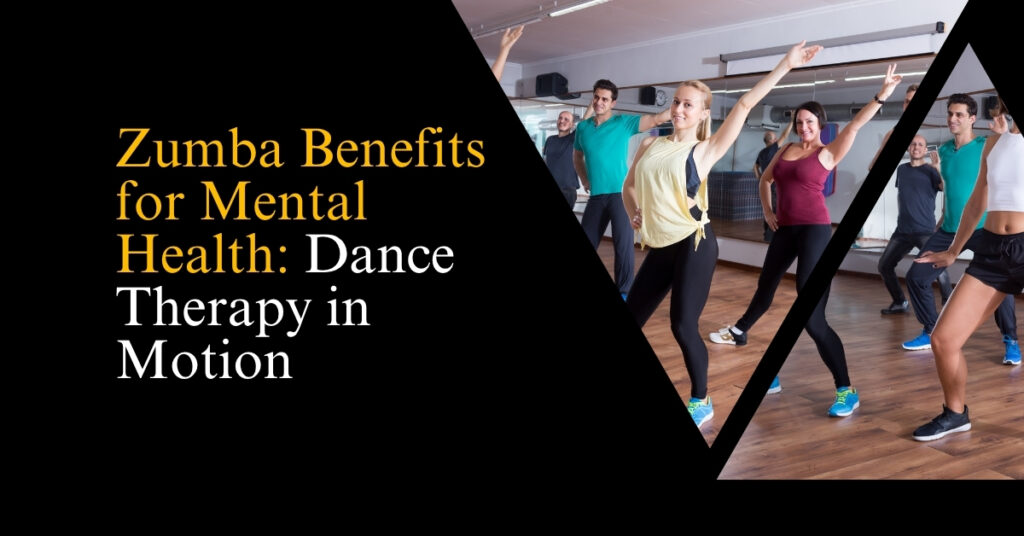
Zumba Benefits for Mental Health: Dance Therapy in Motion Life these days can feel like an endless rush—work deadlines, social media feeds, and everyday worries all competing for our attention. It’s no wonder stress, anxiety, and moments of low mood have become part of so many people’s lives. While therapy and meditation help, there’s something surprisingly powerful that often gets overlooked: dance. Among the many ways to move, Zumba shines as more than just exercise. It’s a burst of energy, joy, and music that lifts your spirit while working your body. Think of it as dance therapy in motion—a fun, sweaty, rhythm-filled escape that can make a real difference to your mental health. Here’s why adding Zumba to your weekly routine might be the fresh start your mind and mood truly need. The Joyful Science Behind Zumba Zumba is a dance fitness program built around Latin-inspired music and choreography, mixing salsa, merengue, reggaeton, and more. Beyond the visible fitness benefits visible fitness benefits, it also works wonders inside the brain. Dancing gets your heart rate up and triggers the release of endorphins—your body’s natural “feel-good” chemicals. This chemical boost can help ease feelings of sadness, tension, or anxiety, often after just a single class. The mix of physical movement, catchy music, and lively rhythm creates a full-body experience that helps shift focus away from worries, allowing your mind to breathe and recharge. Stress Relief That Feels Like Fun Most of us carry stress daily, sometimes without even noticing it. But Zumba gives your body and mind a playful outlet to release that tension. Instead of sitting quietly and trying to calm your thoughts, you’re invited to move, sweat, and lose yourself in the beat. Unlike traditional workouts that might feel repetitive, Zumba keeps you engaged with constantly changing choreography. This makes it feel less like “exercise” and more like a celebration, helping your mind let go of daily worries—even if just for an hour. By the end of class, cortisol levels (the hormone linked to stress) naturally decrease, leaving you feeling lighter and more relaxed. Growing Confidence and Self-Esteem Zumba isn’t about dancing perfectly; it’s about showing up, moving your body, and having fun. Whether you’re a seasoned dancer or someone with two left feet, Zumba creates an environment where everyone feels welcome. As you practice and get familiar with the steps, you start noticing progress maybe you remember a sequence better or feel more in sync with the music. These small wins boost self-esteem and body confidence. Over time, you begin to focus less on what you look like and more on how great you feel moving, which can change the way you view yourself outside the studio too. Helping Manage Anxiety and Depression Regular physical activity has long been linked to reduced symptoms of anxiety and depression, but Zumba adds another layer through music and community. The energetic rhythms act as a positive distraction from negative thoughts, while the steady, dance-based movement helps regulate breathing and calm the nervous system. Joining a class also brings social connection. Sharing laughs, smiles, and even the occasional misstep with others can ease feelings of isolation. These small moments of connection can add up to a meaningful impact on mood and emotional health, especially for those who often feel alone. Mindfulness You Can Dance To When people hear “mindfulness,” they often picture sitting quietly in meditation. But mindfulness can also be active—and Zumba is a perfect example. Dancing requires focus: you listen to the beat, follow steps, and feel the rhythm. This pulls your mind into the present moment, quieting background worries. Over time, this moving mindfulness practice can help you become more present in everyday life too. You may find yourself better able to pause, breathe, and notice how you feel—even outside of dance class. Sharper Mind, Stronger Brain Zumba isn’t just good for your mood—it’s also great for your brain. Learning and remembering new choreography challenges memory and coordination. This mental workout helps keep your mind sharp, improves concentration, and can even boost creativity. Research suggests that dance-based activities combining physical movement and cognitive challenge may help protect against cognitive decline as we age. So, in every spin and step, you’re also giving your brain a healthy boost. More Energy and Better Sleep Stress and low mood often drain your energy, creating a cycle that feels hard to break. Zumba, on the other hand, naturally boosts your stamina. The upbeat music and cardio workout increase blood flow, helping you feel more awake and motivated. And there’s a bonus: being active during the day helps improve sleep at night. Quality sleep is deeply linked to emotional balance, clearer thinking, and greater resilience. Over time, you may notice you fall asleep easier and wake up feeling more refreshed. A Safe Space to Feel and Release Sometimes we carry feelings we don’t fully understand or can’t express in words. Dance offers a different language: movement. Zumba classes become a safe space to let out frustration, sadness, or even pure joy through every step and sway. This emotional release is part of why so many people say they leave class feeling lighter—not just physically, but emotionally too. It’s a form of therapy without words, reminding us that it’s okay to feel everything and keep moving forward. Making Zumba Part of Your Routine You don’t have to dance every day to feel the benefits. Even one or two Zumba sessions each week can make a difference. Here are a few simple tips to help you get started: Pick music and instructors whose style makes you smile. Don’t stress about getting every move perfect; keep moving and enjoy. Celebrate progress, no matter how small—it all counts. Try online classes or dance at home if group settings feel intimidating. The real magic happens when you focus less on performance and more on how dancing makes you feel. Dance Your Way to a Happier Mind At its core, Zumba is more than just a workout. It’s a celebration of music,
How to Choose the Right Zumba Class for Your Fitness Goals
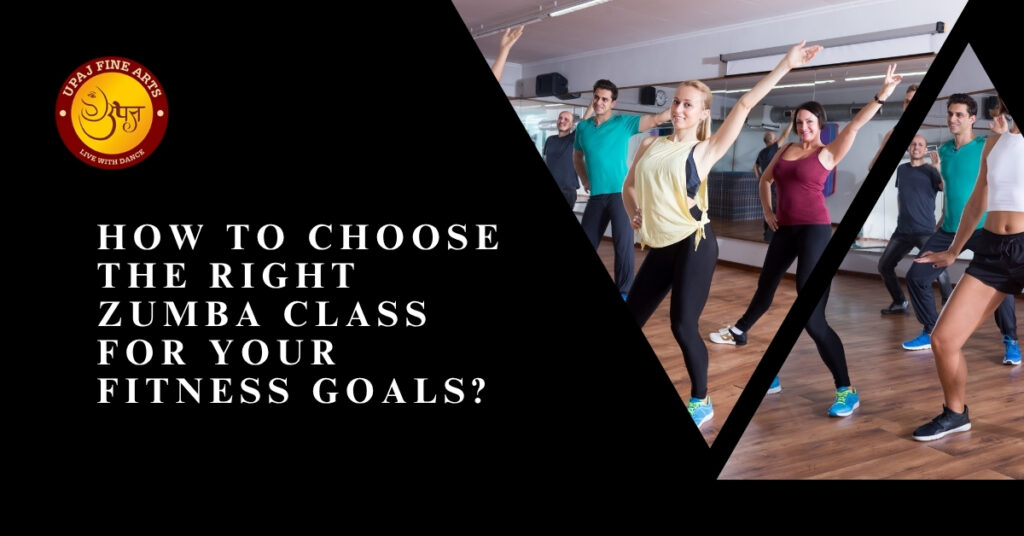
How to Choose the Right Zumba Class for Your Fitness Goals? Zumba is more than just a dance workout—it’s a fun, high-energy way to get fit, burn calories, and boost your mood. With so many types of Zumba classes available today, it can be tricky to decide which one suits your personal fitness goals. Whether you’re looking to lose weight, build stamina, tone your muscles, or simply enjoy a lively fitness experience, there’s a perfect Zumba class for you. Understand Your Fitness Goals First Before choosing a Zumba class, it’s essential to get clear on what you want to achieve. Are you trying to drop a few kilos, gain endurance, or just stay active with a fun routine? Different Zumba variations cater to different fitness outcomes. Here’s a quick breakdown of common goals: Weight Loss: You’ll want something high-intensity that gets your heart rate up. Toning and Sculpting: Look for classes that include strength-based elements or use equipment. Stress Relief and Fun: A beginner-friendly or rhythm-based class can do wonders. Endurance and Energy Boost: Opt for classes that challenge your stamina with longer, more dynamic sessions. Once you know your target, matching the class becomes much easier. Explore Different Types of Zumba Classes Not all Zumba classes are the same. There are several formats that combine dance with fitness in unique ways. Understanding each type will help you decide which one aligns with your goals: Zumba Fitness (Traditional): This is the most common type of Zumba and involves Latin-inspired dance moves combined with aerobic elements. It’s a great all-rounder if your goal is general fitness and calorie burning. Zumba Toning: If you’re looking to tone muscles and sculpt your body, this class adds light weights or toning sticks into the routine. You’ll still dance, but with an extra resistance training boost. Zumba Step: This class blends traditional Zumba choreography with step aerobics. It’s perfect for strengthening and shaping the lower body—great for those aiming for toned legs and glutes. Aqua Zumba: Ideal if you’re recovering from an injury or prefer a low-impact workout. Aqua Zumba takes place in the pool, combining water resistance with upbeat music for a joint-friendly fitness experience. Zumba Gold: Tailored for older adults or beginners who want a slower pace. It keeps all the joy of Zumba but with simpler moves and less intensity, making it a great choice for maintaining mobility and flexibility. Strong Nation (formerly Strong by Zumba): This is a high-intensity interval training (HIIT) workout synchronized to music. Unlike traditional Zumba, it’s not focused on dance, but instead on strength, stamina, and cardio endurance. Ideal for serious fitness goals. Zumba Kids: If you’re looking for a family-friendly option or want to involve your children in fitness, this one is specially designed for kids aged 4–12, with age-appropriate music and routines. Match Class Intensity With Your Fitness Level Zumba is designed for all fitness levels, but it’s still important to choose a class that matches your current capabilities. Beginners might feel overwhelmed jumping straight into an advanced Strong Nation class. If you’re new to exercise or haven’t danced before, start with a basic Zumba Fitness or Zumba Gold class. On the other hand, if you’re already quite active, you might find traditional Zumba too easy. In that case, challenge yourself with Strong Nation or Zumba Toning for a more intense workout. Consider Class Atmosphere and Instructor Style Every instructor brings their own vibe to the class. Some focus more on dance technique, while others lean into the cardio aspect. Some love high-energy pop tracks, others stick to Latin beats. Try a few trial classes or watch sample videos if available. Also, consider the atmosphere of the class. Do you prefer a large, lively group with party vibes? Or do you enjoy smaller, more intimate settings where the instructor gives personal attention? The right environment will keep you motivated and coming back for more. Think About Location and Schedule Practical factors like location and class timing can impact how consistent you are with your workouts. Look for a Zumba class that fits into your routine without making you feel stressed or rushed. Whether it’s a morning session before work or an evening escape, the best class is the one you can attend regularly. If attending in-person isn’t feasible, many certified Zumba instructors now offer online classes through Zoom or pre-recorded videos. This can be a convenient alternative, especially if you prefer working out at home. Ask About Trial Classes or Drop-Ins Many fitness centers and dance studios offer free or low-cost trial classes. This is a great way to test the waters before committing to a full package. Use this opportunity to evaluate the instructor, crowd, music, and overall energy. Don’t hesitate to ask questions before or after class. A good instructor will be happy to explain the format, help you modify moves, or guide you toward the right Zumba type for your body and goals. Don’t Be Afraid to Switch It Up Your fitness goals can change over time, and so can your class preferences. What starts as a fun cardio workout could evolve into a passion for strength training or dance performance. That’s the beauty of Zumba—it’s versatile, energizing, and always evolving. You’re not locked into one format forever. Feel free to try different styles as you grow stronger or your interests shift. The key is to keep moving, stay motivated, and enjoy the journey. Keep Moving Toward Your Goals with the Right Zumba Fit Choosing the right zumba fitness classes in Dubai is all about aligning your fitness journey with fun, movement, and motivation. Whether you’re stepping into your first class or switching things up to meet new goals, there’s a Zumba format that fits perfectly into your lifestyle. Explore your options, listen to your body, and let every beat bring you one step closer to a healthier, happier you. More than 2 results are available in the PRO version (This notice is only visible to admin users) Most Recent
Top 10 Health Benefits of Zumba That Can Improve Your Overall Wellness

Top 10 Health Benefits of Zumba That Can Improve Your Overall Wellness Zumba has taken the fitness world by storm with its energetic, fun-filled workout routines. Combining Latin and international music with easy-to-follow dance steps, Zumba has transformed traditional exercise into an exciting experience. Whether you’re a beginner or a seasoned fitness enthusiast, Zumba is a workout that can benefit anyone. In this blog, we’ll explore the top 10 health benefits of Zumba and how it can enhance your overall wellness. 1. Burns Calories and Aids in Weight Loss One of the most obvious benefits of Zumba is its ability to help with weight loss. Due to its high-energy nature, Zumba is a great way to burn calories. In a typical 60-minute Zumba session, you can burn anywhere from 400 to 600 calories, depending on the intensity of the moves and your body weight. Regular participation in Zumba classes, combined with a healthy diet, can help you shed unwanted pounds and maintain a healthy weight. 2. Boosts Cardiovascular Health Zumba is a cardiovascular workout that involves fast-paced, heart-pumping dance moves. It gets your heart rate up, improving your heart health and helping to lower your risk of heart disease. Studies have shown that aerobic exercises, like Zumba, can reduce blood pressure, improve circulation, and increase your heart’s efficiency. Regular participation can help you build endurance, making everyday activities feel less tiring. 3. Improves Coordination and Balance Zumba isn’t just about dancing; it’s also about improving your body’s coordination. The combination of rhythmic movements and footwork requires balance and control. Over time, this helps improve your motor skills, coordination, and spatial awareness. Better balance is essential, especially as we age, as it can reduce the risk of falls and injuries. 4. Boosts Mental Health and Reduces Stress Exercise, especially dance, is a fantastic way to combat stress, and Zumba is no exception. When you engage in Zumba, your body releases endorphins, also known as “feel-good” hormones. These endorphins are natural mood boosters, helping you to combat anxiety and depression. The joy of dancing to upbeat music can also provide a mental escape from the stresses of everyday life, promoting relaxation and emotional well-being. 5. Increases Strength and Endurance Zumba is a full-body workout that helps build muscle strength and improve endurance. While many of the movements target the core, legs, and arms, the constant motion throughout a Zumba class works your entire body. This helps tone muscles and increase stamina, making you stronger both physically and mentally. The more you practice Zumba, the more you will notice improvements in your strength and overall fitness level. 6. Enhances Flexibility Flexibility plays a key role in overall health, and Zumba can help improve it. During a typical class, you’ll engage in a variety of movements, including stretching, reaching, and bending. These movements stretch and lengthen your muscles, which helps improve flexibility. Increased flexibility can also reduce the risk of injury and alleviate muscle tension, leaving you feeling more agile and relaxed. 7. Promotes Social Interaction and Builds Community Zumba classes are often group-based, and this creates a fun and supportive environment. Socializing while exercising makes the workout feel less like a chore and more like a fun activity. Participating in group Zumba classes gives you the opportunity to meet new people, make friends, and become part of a fitness community. Having a social aspect to your fitness routine is a powerful motivator that keeps you coming back for more. 8. Improves Posture Zumba emphasizes strong core engagement, which is essential for good posture. By regularly participating in Zumba, you’ll become more aware of your posture, especially as you practice movements that require you to stand tall and engage your core. Improved posture not only helps you look more confident but also reduces strain on your spine and muscles, lowering the risk of back and neck pain. 9. Enhances Cognitive Function Studies have shown that physical exercise, particularly dance, has cognitive benefits, and Zumba is no different. The mental challenge of learning new dance routines, remembering choreography, and coordinating your body to the rhythm of the music boosts brain function. The combination of physical movement and mental effort can help improve memory, focus, and overall brain health. In fact, engaging in dance routines has been linked to a decreased risk of cognitive decline as we age. 10. It’s Fun and Motivating Zumba’s most attractive quality is that it’s fun! Traditional workouts can sometimes feel repetitive and boring, but Zumba offers variety with its wide range of music and dance styles. The upbeat rhythms of Latin, pop, and international music make every class feel like a party. This makes it easier to stick to your fitness routine because you’ll look forward to each session. The more fun you have, the more motivated you will be to continue working out, which leads to better long-term health outcomes. Start Your Zumba Journey and Reap the Health Benefits Zumba is an incredibly effective and enjoyable workout that offers a wide range of health benefits. From burning calories and improving cardiovascular health to boosting your mood and building strength, Zumba is a full-body workout that can significantly enhance your overall wellness. Whether you’re looking to lose weight, gain flexibility, or simply have fun, Zumba provides an all-encompassing workout experience that’s suitable for all ages and fitness levels. So, put on your dancing shoes, turn up the music, and start enjoying the amazing benefits Zumba has to offer! Looking for the best zumba classes near Sharjah, Dubai? You can find top-rated Zumba studios and classes across the city that will guide you through this fun and effective workout! By making Zumba a regular part of your fitness routine, you can reap these health benefits while also improving your mental and emotional well-being. Join a class today and start dancing your way to a healthier, happier you! More than 2 results are available in the PRO version (This notice is only visible to admin users) Most Recent Posts All Posts
Celebrate International Dance Day 2025: Unity Through Dance
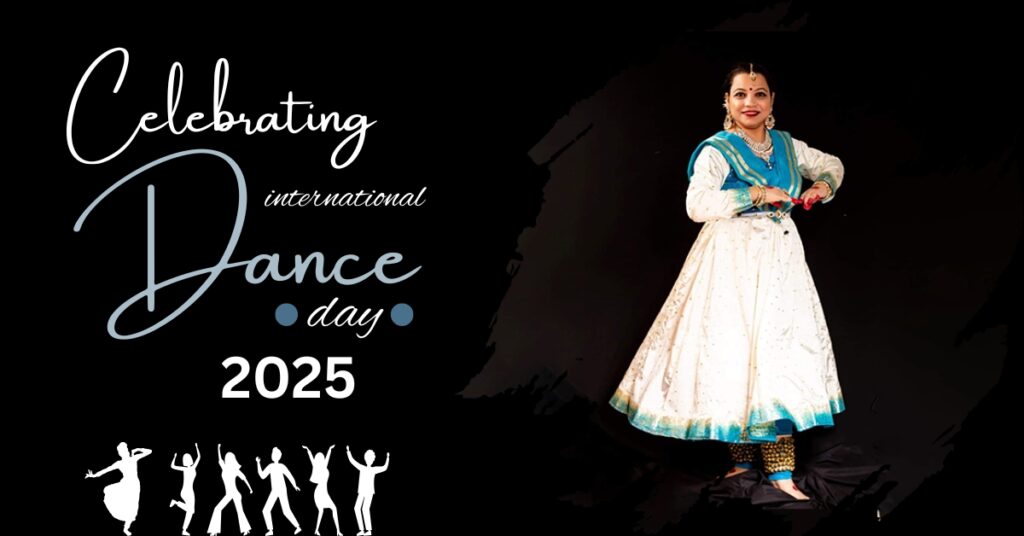
Celebrating the Universal Language of Movement: International Dance Day 2025 As the vibrant hues of spring paint the world anew, April 29th arrives, heralding a day dedicated to the art form that transcends boundaries, speaks volumes without uttering a word, and ignites joy in hearts across the globe: International Dance Day. In 2025, this annual celebration, initiated by the Dance Committee of the International Theatre Institute (ITI), a UNESCO partner, takes on a special resonance, reminding us of the profound impact dance has on our individual lives and collective human experience. What Is International Dance Day? International Dance Day was introduced in 1982 by the International Theatre Institute (ITI), the main partner for the performing arts of UNESCO. The date commemorates the birthday of Jean-Georges Noverre, a French dancer and ballet master regarded as the creator of modern ballet. The Profound Benefits for Mind and Body Dance isn’t just an art form — it’s a full-body workout and a mental therapy session rolled into one. Here’s how dancing can transform your overall well-being: 1. Boosts Mental Health Dancing releases endorphins, often referred to as happy hormones. It reduces symptoms of anxiety, depression, and stress by helping the brain shift focus to positive physical movement and rhythm. 2. Improves Cognitive Function Learning new choreography challenges the brain, enhancing memory, coordination, and focus. Studies show that regular dancing can help reduce the risk of dementia in older adults. 3. Strengthens the Heart Dance routines often involve cardiovascular activity that increases heart rate, improves circulation, and contributes to better heart health — just like jogging or cycling. 4. Builds Strength and Flexibility Whether you’re practicing ballet or breakdancing, dance works your muscles in ways that increase core strength, balance, and flexibility, reducing the risk of injury and improving posture. 5. Enhances Emotional Expression Sometimes, what we can’t say with words, we say through movement. Dance allows people to express emotions, release tension, and build deeper self-awareness. 6. Encourages Social Connection Group dance sessions create a sense of community and belonging, helping to combat loneliness and foster friendships through shared rhythm and goals. How to Celebrate International Dance Day 2025? Here are some fun and meaningful ways to join the global celebration: 1. Join a Dance Class Try something new! Whether it’s hip-hop, tango, or classical Indian dance — explore a different style and connect with a new culture. If you’re passionate about classical dance, don’t miss out on the, best kathak dance classes in Dubai, where you can dive deep into the rich heritage and intricate rhythms of this mesmerizing art form. 2. Watch a Dance Performance Attend a local performance or stream international dance shows online. Support artists who pour their soul into the art of movement. 3. Dance Challenge on Social Media Take part in a viral dance challenge and tag your friends. Use hashtags like #InternationalDanceDay, #IDD2025, and #DanceForUnity. 4. Organize a Dance Flash Mob Spread joy in your city by organizing or participating in a flash mob in public spaces. 5. Educate and Share Post about the history of dance forms, iconic dancers, or your personal dance journey. Spread awareness and appreciation. Dance: The Universal Language That Unites Us All Dance is the heartbeat of humanity. It bridges cultures, heals hearts, and gives voice to the unspoken. On International Dance Day 2025, take a moment to move — not for perfection, but for passion. Let your rhythm shine and your steps speak volumes. Whether you’re just starting or a seasoned dancer, there’s always a space for you to grow. Experience the magic of dance at Upaj Academy, the best dance, music, and art academy in Dubai, where creativity, dedication, and passion come together to create unforgettable performances. Join us and let your dance journey begin. More than 2 results are available in the PRO version (This notice is only visible to admin users) Most Recent Posts All Posts Blog kathak Zumba Celebrate International Dance Day 2025: Unity Through Dance Zumba for Beginners: A Fun & Easy Guide to Start Your Fitness Top Reasons Why You Should Warm Up Before Dancing Category Blog (11) kathak (11) Zumba (2) Explore Our Services Join our fun and engaging dance, music, and art classes for all ages! Explore More
Zumba for Beginners: A Fun & Easy Guide to Start Your Fitness

Zumba for Beginners: A Fun & Easy Guide to Start Your Fitness Zumba has become one of the most popular fitness trends in recent years, attracting people from all walks of life. If you’re new to the world of fitness or just looking for a fun and engaging way to stay in shape, Zumba is an excellent option to consider. It’s a dance-inspired workout that combines high-energy music with easy-to-follow choreography, making it accessible for people of all fitness levels. In this blog, we’ll explore what Zumba is, its benefits, and some tips to get started, especially if you’re a beginner. So, put on your dancing shoes, turn up the music, and let’s dive in! What is Zumba? Zumba is a high-energy workout that fuses Latin and international music with dance moves. Created in the 1990s by Colombian dancer and choreographer Alberto “Beto” Pérez, Zumba quickly gained popularity for its fun, party-like atmosphere. It’s a full-body workout that targets multiple muscle groups through dance routines set to upbeat music. The best part? You don’t need to be a professional dancer to enjoy it—just let loose and follow along! The moves are simple and easy to follow, making it a great choice for beginners. Zumba classes typically involve a warm-up, a series of dance routines, and a cool-down, all designed to help you improve your cardio fitness, strength, and flexibility. Why Zumba is Great for Beginners Zumba offers several advantages, particularly for beginners: 1. It’s Fun One of the main reasons Zumba is so popular is that it’s incredibly fun. The upbeat music and energetic dance routines make it feel less like a workout and more like a party. The excitement of moving to the music can keep you motivated, making it easier to stick with your fitness routine. 2. Simple and Easy to Follow Zumba choreography is designed to be simple and accessible. While the moves may seem fast and challenging at first, they are usually repeated throughout the class, which allows beginners to catch on quickly. You don’t need to be a skilled dancer to join in—just follow the instructor and have fun! 3. Cardio Benefits Zumba is primarily a cardiovascular workout, which helps increase your heart rate and improve your overall cardiovascular health. The constant movement and varied intensity levels are great for building endurance and stamina, making Zumba an excellent option for those looking to improve their fitness levels. 4. Calorie Burn Because of its high-energy nature, Zumba is an effective way to burn calories. On average, you can burn anywhere from 400 to 600 calories per hour, depending on the intensity of the session. This makes it a fantastic workout for those looking to lose weight or maintain a healthy weight. 5. It’s Social Zumba classes often have a community feel, with participants working out together and supporting each other. The social aspect of Zumba can help you stay motivated and committed to your fitness journey. 6. Accessibility Zumba is suitable for people of all fitness levels and ages. Whether you’re a young adult or a senior, you can modify the intensity of the workout to match your fitness level. It’s also a great way for people with different abilities to get active and enjoy moving. What You Need to Get Started with Zumba? If you’re a beginner and want to try Zumba, here’s what you’ll need to get started: 1. Comfortable Clothing Wear comfortable workout clothes that allow you to move freely. Opt for breathable fabrics like cotton or moisture-wicking materials to keep you cool during the workout. 2. Supportive Footwear Zumba involves a lot of lateral movements, so it’s important to wear shoes that provide adequate support and cushioning. Dance sneakers or cross-trainers are a good option, as they offer the necessary grip and stability. 3. A Water Bottle Zumba can be intense, so it’s important to stay hydrated throughout the class. Bring a water bottle to sip on during breaks. 4. Positive Attitude The most important thing you need is a positive attitude. Don’t be intimidated by the fast pace or complex moves at first—remember, everyone was a beginner once, and Zumba is all about having fun and enjoying the music. Tips for Zumba Beginners If you’re new to Zumba, it can be a bit overwhelming at first. But don’t worry—here are some tips to help you ease into your Zumba journey: 1. Start with Beginner Classes If you’re new to Zumba, it’s best to start with a beginner-friendly class. These classes are usually slower-paced and focus on teaching the basic moves and techniques. Once you get the hang of the basics, you can move on to more advanced classes. For those in Dubai, check out the best zumba classes in Dubai to kickstart your fitness journey! 2. Don’t Worry About Perfect Moves Zumba is not about perfection—it’s about having fun and moving to the music. Don’t stress if you can’t keep up with every move or if you get a step wrong. Just keep moving, and remember that it’s all part of the learning process. 3. Listen to the Music Zumba is all about rhythm, so try to focus on the beat of the music. Let the rhythm guide your movements, and don’t be afraid to let loose and enjoy the music. 4. Stay Consistent Like any fitness routine, consistency is key to seeing results. Try to attend Zumba classes regularly to build your stamina and improve your skills. Aim for at least two to three classes a week for the best results. 5. Warm-Up and Cool Down Be sure to take the time to warm-up before your class and cool down afterward. A proper warm-up helps prevent injury and prepares your body for the workout, while cooling down helps relax your muscles and prevent soreness. 6. Modify as Needed If any of the moves feel too difficult, don’t hesitate to modify them to suit your fitness level. Zumba is meant to be adaptable, so listen to your body and make adjustments as
