Global Footprints: Kathak’s Influence on Western Dance Forms in Dubai

Global Footprints: Kathak’s Influence on Western Dance Forms in Dubai Summary – Kathak — India’s classical storytelling dance — is making a remarkable impact on Western choreography in Dubai. Blending rhythmic footwork, expressive gestures, and graceful spins with contemporary and ballet styles, Kathak has become a creative bridge between East and West. In Dubai’s multicultural arts scene, renowned artists and academies are fusing classical Indian technique with modern dance innovation. Supported by the city’s cultural initiatives and global audience, Kathak is evolving into a dynamic form of cross-cultural expression — preserving tradition while shaping the future of performance in the UAE. Every art form carries a story — and Kathak, one of India’s oldest classical dance traditions, tells its stories through rhythm, grace, and intricate footwork. Once confined to royal courts and temple courtyards, Kathak has now transcended borders, echoing in dance studios across the globe — including the bustling cultural landscape of Dubai. What makes this transformation fascinating is how Kathak, with its centuries-old roots, is now shaping modern Western dance styles within Dubai’s cosmopolitan mix. The city’s dynamic energy and multicultural openness make it the perfect stage for this cross-cultural evolution — where classical Indian storytelling meets Western choreography in seamless harmony. Kathak: The Dance That Speaks in Stories Derived from the Sanskrit word Katha (story), Kathak was born from the art of narration. In ancient India, storytellers known as Kathakars would travel from village to village, using expressive gestures and rhythmic patterns to narrate epic tales like the Ramayana and Mahabharata. Under the Mughal Empire, Kathak evolved further — incorporating Persian influences, fluid movements, and graceful spins. Its adaptability allowed it to bridge two very different cultural worlds: the devotional and the royal. Key elements that define Kathak’s identity: Footwork (Tatkaar): Complex rhythmic patterns struck by ghungroo-adorned feet. Spins (Chakkars): Rapid pirouettes symbolizing spiritual transcendence. Expressions (Abhinaya): The dancer becomes the storyteller through emotion. Music & Rhythm: Kathak follows Hindustani classical rhythms played on tabla and sarangi. Unlike some other classical forms that remain rigid in structure, Kathak thrives on adaptability — a trait that makes it resonate deeply with Western choreographers today. Dubai: Where Cultures Dance Together Few cities embody the phrase “melting pot” as authentically as Dubai. Over 200 nationalities coexist here, bringing their cuisines, languages, and artistic traditions. The government’s support for arts and culture — through platforms like Dubai Culture & Arts Authority, Expo 2020 Dubai, and Dubai Opera — has made it a global destination for creativity. In this environment, Indian classical dance forms have flourished. What began as small community gatherings and cultural evenings has grown into professional academies, stage productions, and international collaborations. From the Al Quoz art district to Dubai Design District (d3), dance schools are integrating Kathak into multidisciplinary training programs. Many choreographers in Dubai view Kathak not as a niche tradition, but as a universal movement language that communicates emotion across cultural boundaries. Fusion in Motion: How Kathak Is Influencing Western Dance? Kathak’s impact on Western dance in Dubai isn’t theoretical — it’s visible, rhythmic, and revolutionary. 1. Ballet and Kathak: A Harmony of Lines and Spins The soft elegance of ballet complements Kathak’s grounded precision. Dancers in Dubai often merge pirouettes with chakkars, creating sequences that are both classical and contemporary. The fusion highlights Kathak’s circular motion while maintaining ballet’s fluidity — a combination that delights diverse audiences. 2. Contemporary Dance and Storytelling Western contemporary dance focuses heavily on self-expression and abstraction. Kathak, being narrative-driven, introduces structure and meaning into these movements. Dubai-based choreographers have used Kathak’s abhinaya (expressive storytelling) to create performances around identity, migration, and belonging — themes that resonate deeply with Dubai’s global citizens. 3. Rhythm and Music Fusion Music is where Kathak and Western styles most easily merge. Imagine tabla beats meeting electronic synths or ghungroo rhythms layered over jazz basslines. Dubai’s vibrant music scene encourages such innovation, especially during cultural festivals and live collaborations. One standout example: performances at Global Village where Indian and Western dancers perform together — a sight where ghungroos jingle in sync with EDM drops, symbolizing tradition in conversation with technology. From Dubai to the World: Kathak’s Expanding Global Reach Dubai’s strategic position — geographically and culturally — has made it an international launchpad for Kathak’s global recognition. Artists based here often tour across the GCC, Europe, and North America, carrying the spirit of Indo-Western fusion to wider audiences. The digital era has accelerated this exchange. Many Kathak teachers in Dubai conduct online masterclasses, attracting students from as far as Canada, Singapore, and South Africa. This has turned Dubai into a global training hub for Indian classical arts. International events such as the Expo 2020 Cultural Program, Dubai Dance Festival, and Abu Dhabi Classical Arts Week have also featured Kathak performances alongside Western acts, emphasizing how cultural collaboration is now the new norm — not the exception. By embracing diversity, Dubai is showing the world how heritage and innovation can coexist beautifully, each enriching the other. Balancing Authenticity and Experimentation Fusion is a delicate art. While blending classical and Western styles is exciting, it comes with the responsibility of preserving authenticity. Many Kathak gurus in Dubai emphasize the importance of mastering foundational techniques before venturing into experimental forms. This approach ensures that fusion doesn’t become confusion. Authentic Kathak training — focusing on rhythm (laya), posture (ang), and storytelling (bhava) — remains at the core of every creative reinterpretation. As one Dubai-based instructor puts it: “You must know the language before writing poetry in it. Fusion works only when you understand the grammar of tradition.” Such discipline is what maintains Kathak’s integrity even as it evolves through modern collaboration. The Future of Kathak in Dubai’s Cultural Landscape The trajectory of Kathak in Dubai is only rising. With cultural policies encouraging the performing arts and creative industries projected to contribute significantly to the UAE’s GDP by 2030, traditional dance forms are entering mainstream visibility. In the coming years, expect to see: Dedicated Kathak and fusion dance festivals hosted
Starting Your Kathak Journey: Tips for Aspiring Dancers in Dubai

Starting Your Kathak Journey: Tips for Aspiring Dancers in Dubai Summary – Aspiring Kathak dancers in Dubai and Sharjah can find everything they need to begin their journey in this complete beginner’s guide. It covers the essentials of Kathak—from rhythm and expressions to traditional styles—and highlights trusted training options like Upaj Kathak Dance Academy and other leading Kathak dance classes near Sharjah, Dubai. The blog also shares practical advice on choosing the right teacher, balancing practice with work or studies, and participating in Dubai’s growing cultural events. Designed for learners of all ages, it inspires readers to embrace the beauty, discipline, and storytelling power of Kathak while staying connected to Indian heritage. Kathak, one of India’s most graceful classical dance forms, is more than just movement—it’s storytelling through rhythm, expressions, and cultural tradition. Known for its intricate footwork, expressive gestures, and mesmerizing spins, Kathak captivates audiences worldwide. For aspiring dancers in Dubai, learning Kathak is a unique opportunity to connect with Indian heritage while enjoying the city’s multicultural environment. Whether you are a complete beginner or someone reconnecting with your roots, this guide will provide you with practical tips, expert insights, and actionable steps to start your Kathak journey in Dubai. Why Learn Kathak in Dubai? Dubai is home to a vibrant Indian community and has increasingly embraced cultural and performing arts. Kathak, though rooted in India, has found a growing audience here. Learning Kathak in Dubai offers several advantages: Cultural Connection: It allows students to stay connected to Indian traditions while living abroad. Participating in cultural festivals like Diwali in Dubai or Indian National Day events provides a sense of community and belonging. Physical Fitness: Kathak demands strong core muscles, flexible joints, and excellent stamina. The rigorous footwork, spins, and movements enhance balance and posture. Mental Discipline: Learning complex rhythms and storytelling sequences improves memory, focus, and emotional expression. Performance Opportunities: Dubai hosts cultural events, competitions, and workshops, giving dancers a chance to perform publicly and gain recognition. By learning Kathak in Dubai, dancers can merge cultural heritage with modern opportunities, gaining both personal and artistic growth. Understanding the Basics of Kathak Before stepping into a class or studio, it’s essential to understand the fundamental elements that make Kathak unique. Key Elements of Kathak Tatkar (Footwork): The backbone of Kathak, involving precise and rhythmic steps often accompanied by ghungroos (ankle bells). Chakkars (Spins): Graceful turns that add elegance and energy to performances. Mastery of chakkars takes patience and practice. Mudras (Hand Gestures): Symbolic gestures that convey stories, emotions, and cultural narratives. Abhinaya (Expressions): Facial expressions and gestures that bring stories to life, making Kathak both a visual and emotional experience. Different Styles of Kathak Lucknow Gharana: Known for grace, elegance, and expressive storytelling. Jaipur Gharana: Emphasizes powerful footwork, fast-paced spins, and dynamic performance. Banaras Gharana: Combines expressive storytelling with rhythmic complexity and unique sequences. Understanding these styles helps beginners select the teaching method and style that aligns with their goals and personal preference. Finding the Right Kathak Classes in Dubai Finding a quality Kathak class is crucial for effective learning. Dubai offers several avenues: Cultural Centers: Institutions like the Indian Upaj Kathak Dance Academy, High School Cultural Club, and local community centers frequently conduct Kathak classes for all levels. These centers provide structured lessons, performance opportunities, and exposure to different styles of Kathak. Private Tutors: Personalized attention helps beginners refine their technique, posture, and expression. Private lessons are ideal for adults or those with a busy schedule. Online Classes: Convenient for working professionals, online classes offer structured learning but may lack hands-on correction for posture and footwork. Tip: Always observe a trial class before enrolling. Check the instructor’s credentials, performance experience, and teaching style. Experienced teachers often guide students through both technical mastery and cultural understanding, ensuring a holistic learning experience. Preparing for Your Kathak Journey Starting Kathak requires more than enthusiasm—it demands preparation, tools, and commitment. Choosing the Right Practice Space Dedicate a safe, open area in your home or studio. Ensure the floor is smooth to allow safe spins and steps. Use a mirror to self-correct posture and movements. Essential Kathak Accessories Ghungroos: Small ankle bells essential for rhythm practice. Beginners can start with 50–100 bells per foot. Attire: Comfortable churidar or lehenga that allows free movement. Avoid slippery fabrics to reduce the risk of falls. Music: Classical tabla tracks or online rhythm guides help synchronize movements. Setting Realistic Goals Begin with 30–45 minutes of focused practice daily. Start with simple footwork and gradually progress to spins, expressions, and storytelling. Track progress in a journal to stay motivated and monitor improvements. Practicing Kathak Effectively Consistency and correct technique are key to mastering Kathak. Warm-Up Exercises Stretching for flexibility, ankle rotations, and core strengthening. Basic rhythm exercises without ghungroos help internalize beats before adding bells. Building Rhythm and Timing Practice taals (rhythmic cycles) using tabla recordings or apps. Begin slowly, gradually increasing speed while maintaining accuracy. Focus on clarity of each footstep and synchronization with hand gestures. Practice Routine for Beginners 10 minutes: Tatkar (basic footwork) 10 minutes: Chakkars (spins and turns) 10 minutes: Mudras and expressions 5 minutes: Combining steps with rhythm and storytelling Tracking Progress Record practice sessions to review posture, footwork, and expressions. Celebrate milestones, like mastering a new rhythm or performing a short story sequence. Seek feedback from instructors or experienced dancers to improve continuously. Performing and Showcasing Your Talent in Dubai Dubai offers multiple platforms to showcase Kathak skills: Cultural Festivals: Diwali celebrations, UAE National Day events, and Indian community gatherings provide a stage to perform. Competitions and Workshops: Many Indian cultural organizations host dance competitions for children, adults, and enthusiasts. Collaborations: Connect with fusion dancers or other classical artists to participate in cross-genre performances. Performing regularly enhances confidence, sharpens skills, and builds connections with the local dance community. Overcoming Common Challenges Even passionate dancers face challenges. Here’s how to navigate them:
Physical and Mental Benefits of Practicing Kathak
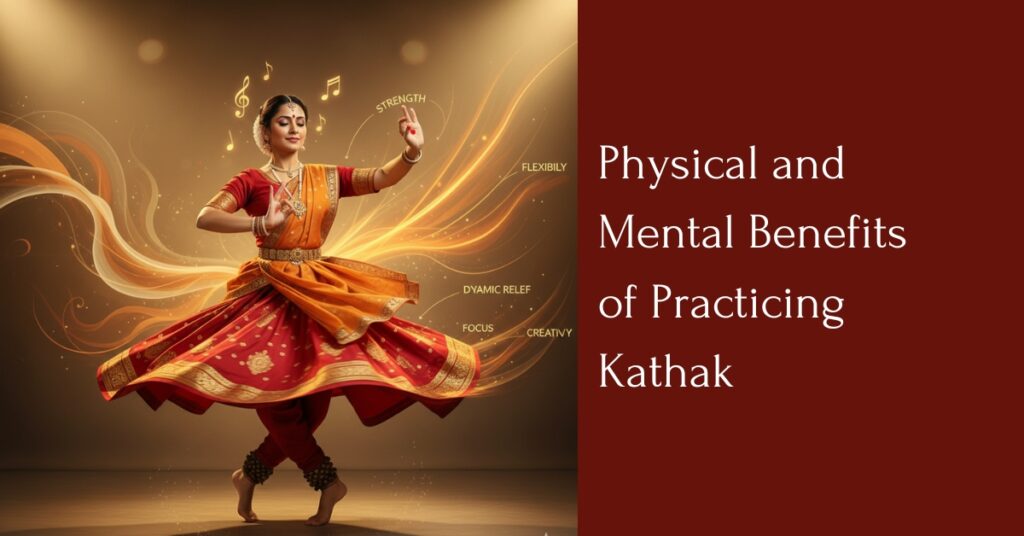
Physical and Mental Benefits of Practicing Kathak Kathak, one of India’s oldest classical dance forms, is renowned for its intricate footwork, graceful spins, and expressive storytelling. Rooted in both temple rituals and royal courts, Kathak is not just an art form but a holistic practice that nurtures the body, mind, and spirit. While many admire its aesthetic beauty, the practice of Kathak also offers profound physical and mental benefits. Understanding these advantages can inspire learners of all ages to embrace this timeless dance form. Physical Benefits of Kathak Improves Flexibility and Strength Kathak involves a variety of dynamic movements, including spins, jumps, and intricate footwork patterns. These actions require flexibility in the hips, legs, and arms. Regular practice helps stretch and strengthen muscles, improving overall body flexibility and tone. The repeated movements also strengthen the lower body, including calves, thighs, and ankles, making the dancer more agile and resilient. Enhances Posture and Balance Maintaining proper posture is essential in Kathak. From upright stances to controlled spins (chakkars), the dancer constantly engages core muscles to stay balanced. This regular focus on posture translates into better spinal alignment, reduced risk of back pain, and enhanced balance and coordination. Even daily activities benefit as practitioners develop a natural sense of body awareness. Boosts Cardiovascular Health Kathak is physically demanding, particularly during energetic sequences involving fast footwork and spins. These movements elevate the heart rate, providing cardiovascular exercise that improves heart health, endurance, and stamina. Over time, regular practice can enhance overall fitness and energy levels. Refines Motor Skills and Coordination Kathak is distinguished by intricate tatkars (footwork patterns) and hand gestures that require precise timing and coordination. Practicing these movements sharpens motor skills, hand-eye coordination, and reflexes. The continuous synchronization between feet, hands, and facial expressions strengthens neural connections, contributing to better overall coordination. Aids in Weight Management The energetic sequences in Kathak help burn calories and improve metabolism. Combined with its toning effects on muscles, practicing Kathak regularly can support healthy weight management and contribute to a leaner, more toned physique. Mental Benefits of Kathak Enhances Concentration and Focus Performing Kathak requires intense concentration. The dancer must synchronize movements with rhythm (taal) and melody while maintaining expressive storytelling. This continuous mental engagement improves focus, attention to detail, and cognitive sharpness, which can benefit other areas of life, including academics and professional work. Reduces Stress and Anxiety Like many forms of dance, Kathak serves as a form of mindful expression. The rhythmic movements and musical accompaniment create a meditative environment that calms the mind. Expressing emotions through dance helps release stress, reduces anxiety, and promotes emotional balance. Many practitioners find Kathak to be a natural stress reliever after long or demanding days. Boosts Creativity and Emotional Expression Kathak is a narrative dance form that relies heavily on abhinaya (expressive storytelling). Dancers interpret stories from mythology, poetry, or contemporary themes, using gestures, facial expressions, and body language. This nurtures creativity, imagination, and emotional intelligence, helping individuals express complex feelings in a graceful and artistic manner. Improves Memory and Cognitive Skills Learning complex footwork sequences, rhythmic cycles, and storylines challenges both the body and brain. Kathak practitioners continuously memorize patterns and adapt to variations in rhythm, enhancing memory, concentration, and multitasking abilities. The mental agility developed through Kathak can improve problem-solving skills and overall cognitive function. Encourages Discipline and Patience Mastering Kathak requires consistent practice, patience, and perseverance. From learning basic steps to performing advanced sequences, the dancer gradually builds discipline, resilience, and self-motivation. These qualities are valuable beyond dance, influencing personal and professional growth positively. Social and Cultural Benefits Promotes Cultural Awareness Kathak is deeply rooted in Indian history, mythology, and classical music. Practicing this art form enhances understanding of cultural heritage, traditions, and storytelling techniques. This cultural awareness fosters a deeper appreciation for art and history, enriching the dancer’s overall perspective. Encourages Social Interaction Group performances, workshops, and dance classes provide opportunities to interact with fellow dancers, musicians, and teachers. These social connections help build communication skills, teamwork, and confidence, making Kathak a medium for social growth as well as artistic expression. Therapeutic Benefits Supports Mental Health Kathak can have therapeutic effects, particularly for individuals dealing with mental health challenges. The combination of physical activity, rhythmic patterns, and expressive storytelling can alleviate symptoms of depression, anxiety, and emotional stress. Music and movement act as natural mood enhancers, releasing endorphins that promote well-being. Enhances Mind-Body Connection Kathak requires the dancer to be fully aware of their body movements in sync with rhythm and music. This heightened sense of body awareness improves coordination, posture, and mindfulness. The practice cultivates a strong mind-body connection, enhancing overall physical and mental health. Suitable for All Age Groups One of Kathak’s unique advantages is its accessibility. Children benefit from improved motor skills, memory, and creativity, while adults experience enhanced fitness, stress relief, and mental clarity. Even senior practitioners can enjoy improved balance, flexibility, and cognitive engagement. The dance form offers a lifelong path to health and well-being. How to Maximize Benefits To fully enjoy the physical and mental benefits of Kathak, consistent practice under the guidance of skilled teachers is essential. Incorporating warm-ups, proper posture techniques, and mindfulness during practice ensures safety and effectiveness. Additionally, combining Kathak with a balanced diet, meditation, or yoga can further enhance its holistic impact. For those looking to begin their Kathak journey, enrolling in kathak dance classes in Dubai provides expert guidance and structured learning, ensuring that students experience the full range of physical, mental, and cultural benefits. Unlocking the Physical and Mental Benefits of Kathak Practicing Kathak is more than learning steps or perfecting spins—it is a journey toward holistic well-being. From improved flexibility, strength, and cardiovascular health to enhanced concentration, creativity, and emotional resilience, Kathak nurtures both body and mind. Its combination of rhythmic precision, expressive storytelling, and cultural richness makes it a deeply rewarding discipline. By embracing Kathak, learners connect with an ancient artistic tradition while cultivating a healthier, more balanced, and fulfilling lifestyle. Whether for fitness, mental clarity,
How Rhythm and Music Influence Kathak Performance?
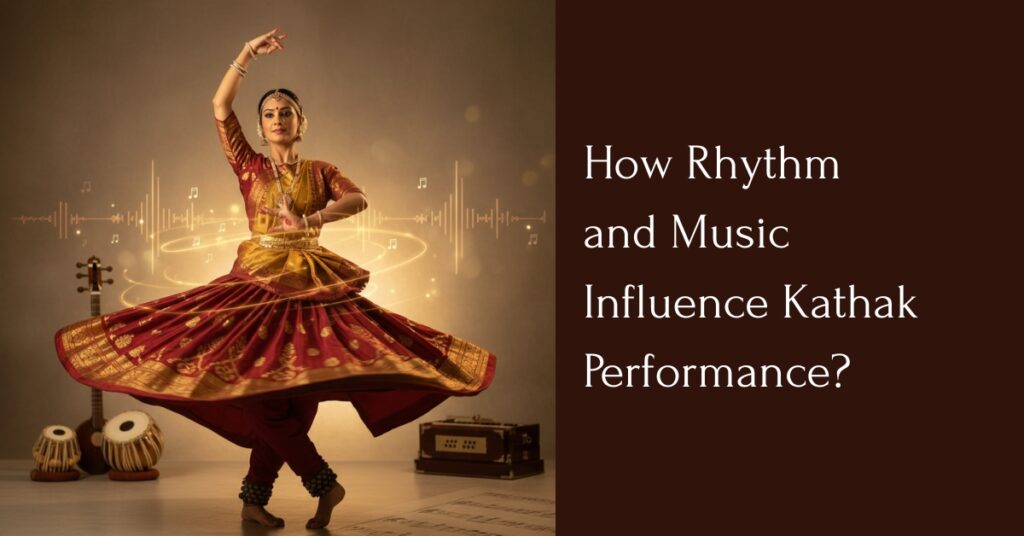
How Rhythm and Music Influence Kathak Performance? Kathak, one of the eight classical dance forms of India, is a mesmerizing blend of storytelling, intricate footwork, and expressive gestures. Rooted in ancient Indian traditions, Kathak has evolved over centuries, reflecting both the devotional themes of temples and the royal narratives of courts. At the heart of Kathak lies rhythm and music, which serve as the lifeblood of this expressive art form. Understanding their influence is crucial for both performers and enthusiasts to appreciate the depth and precision of Kathak. The Role of Rhythm in Kathak Rhythm, or Taal, is the foundation of Kathak. Unlike many dance forms that primarily focus on visual expressions, Kathak’s core is anchored in complex rhythmic patterns. A dancer’s mastery over rhythm allows them to execute intricate footwork, spins, and gestures with impeccable timing. Kathak uses a variety of taals such as Teentaal (16 beats), Dadra (6 beats), and Jhaptal (10 beats). Each taal has its unique mood and tempo, guiding the dancer in expressing different emotions. For instance, a fast-paced Teentaal can evoke excitement or valor, while a slower Dadra may be suited for romantic or devotional pieces. The precise coordination of movements with these rhythmic cycles is not just technical; it is a language that communicates emotion and narrative to the audience. The dancer often interacts with pakhawaj, tabla, or mridangam, responding to each beat and improvisation. This dialogue between musician and dancer is a signature of Kathak, emphasizing how rhythm shapes the structure and flow of performance. Music as a Storytelling Medium While rhythm dictates the timing of movements, music provides the emotional and narrative canvas. Kathak performances often depict stories from Indian epics like the Mahabharata, Ramayana, or tales of Krishna. Vocal and instrumental music, including classical Hindustani ragas, set the mood and tone for these narratives. Music in Kathak serves multiple purposes. It establishes atmosphere, conveys emotions, and complements abhinaya (expressive storytelling). The singer, often positioned near the dancer, narrates the story while the dancer interprets the words through intricate expressions, gestures, and footwork. The synergy of music and movement ensures that the audience experiences both the auditory and visual essence of the performance. Additionally, instruments like the sarangi, harmonium, and flute enhance the melody, while percussive accompaniment provides rhythmical cues. The interplay between melodic music and percussive beats allows Kathak dancers to explore both slow, graceful movements and rapid, energetic footwork. The Interconnection of Rhythm and Music in Performance The beauty of Kathak lies in its seamless integration of rhythm and music. A performance begins with a nritta segment, focusing purely on technical movements, intricate footwork, and spins. Here, rhythm dominates, challenging the dancer to maintain precision while responding to musical cues. This is often followed by nritya, where music and rhythm converge with expressive storytelling. The dancer interprets lyrics, ragas, and beats, translating them into emotional gestures and movements. The dialogue between rhythm and melody ensures that each performance is unique, influenced by the musician’s improvisation and the dancer’s interpretation. Complex rhythmic patterns, such as tukras and parans, showcase the dancer’s skill in synchronizing intricate footwork with tabla beats. These sequences are not merely decorative; they demonstrate how deeply intertwined rhythm and music are in shaping the performance. Emotional Impact of Rhythm and Music Rhythm and music are not just technical elements—they are essential in evoking emotions. A carefully chosen raga can create serenity, devotion, or romance, while a change in tempo can induce excitement, suspense, or joy. The dancer’s footwork accentuates these emotions, producing a multisensory experience for the audience. For example, in a Krishna-themed performance, a lilting melody paired with gentle rhythms may accompany playful gestures, creating a sense of divine joy. Conversely, a dramatic story of valor may use rapid tabla sequences and intense footwork to evoke tension and excitement. Music and rhythm, therefore, serve as emotional signposts, guiding both dancer and audience through the narrative journey. The Discipline of Learning Rhythm and Music For aspiring Kathak dancers, mastering rhythm and music is essential. It requires years of training to develop layakari (rhythmic improvisation), tatkar (footwork patterns), and sangat (musical collaboration). Dancers must not only memorize rhythmic cycles but internalize them to perform complex sequences spontaneously. Musical training is equally important. Understanding ragas, compositions, and tala structures allows the dancer to anticipate changes and improvise within the framework of the performance. Many accomplished Kathak dancers spend significant time learning Hindustani classical music to enhance their expressive capabilities and deepen their connection to rhythm. Contemporary Relevance of Rhythm and Music in Kathak Even in modern adaptations, rhythm and music continue to shape Kathak performances. Contemporary choreographers experiment with fusion music, blending classical taals with global beats, yet the essence of rhythm-driven movement remains intact. Music, whether traditional or modern, still dictates the dancer’s pace, energy, and expression. Innovations in music and rhythm have also expanded Kathak’s global appeal. By integrating diverse musical genres while retaining classical rhythmic structures, dancers can present Kathak in ways that resonate with international audiences without losing its authenticity. The Heartbeat of Kathak In Kathak, rhythm and music are inseparable from the art form itself. Rhythm provides structure, precision, and technical excellence, while music infuses emotion, narrative, and expressive depth. Together, they create a dynamic and immersive experience, allowing the dancer to communicate stories and emotions that transcend words. A Kathak performance without the interplay of rhythm and music would be incomplete, like a painting without color or a poem without rhythm. It is this harmonious relationship that has preserved Kathak’s legacy for centuries and continues to captivate audiences worldwide. For those eager to experience and learn this intricate art form, enrolling in best kathak dance classes classes in Dubai is an excellent way to begin. Understanding and appreciating the influence of rhythm and music is essential for anyone who wishes to truly grasp the elegance, complexity, and beauty of Kathak. Get AI Insights on This Post: CHat – gpt Perplexity Google AI Grok More than 2 results are available in the PRO version
Top 10 Bharatanatyam Moves Every Beginner Should Know
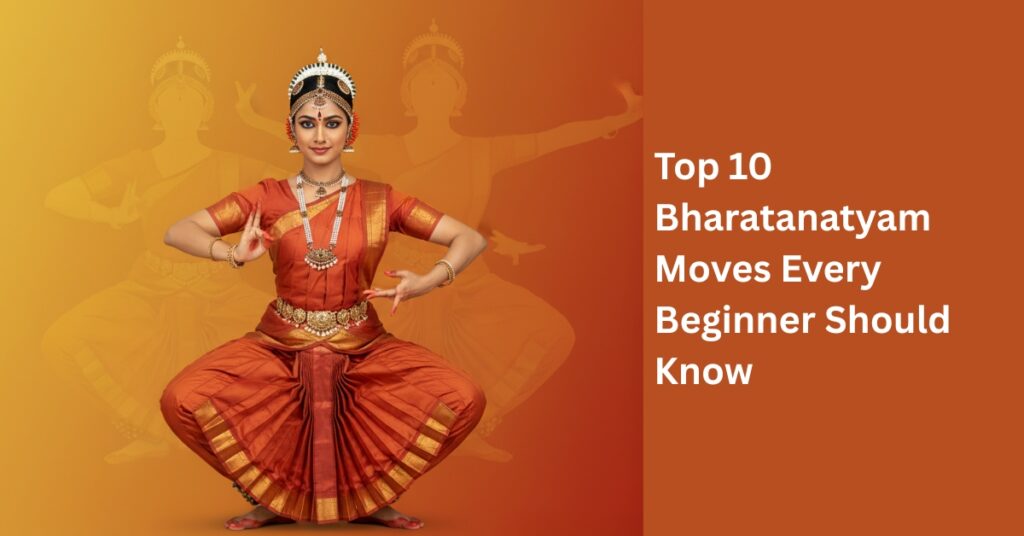
Top 10 Bharatanatyam Moves Every Beginner Should Know Bharatanatyam, one of the oldest classical dance forms of India, is celebrated for its grace, rhythm, and storytelling ability. Originating in Tamil Nadu, this dance form combines intricate footwork, expressive hand gestures (mudras), and captivating facial expressions to narrate stories from Hindu mythology. For beginners, understanding the foundational moves is crucial to mastering Bharatanatyam. Here, we explore the top 10 Bharatanatyam moves that every beginner should know. 1. Aramandi (Half-Sitting Position) Aramandi is the fundamental stance in Bharatanatyam. Also called the half-sitting posture, it strengthens the legs and provides a stable base for all movements. Beginners should focus on keeping the knees bent outward, the back straight, and the feet firmly on the ground. Practicing Aramandi regularly improves balance, stamina, and control, forming the foundation for more advanced steps. 2. Adavu (Basic Steps) Adavu refers to the basic steps or sequences in Bharatanatyam. There are several types of Adavus, including Tatta Adavu, Natta Adavu, and Kuditta Mettu Adavu. Each Adavu combines rhythmic footwork with hand gestures and body movements. Beginners should start with Tatta Adavu, which involves stamping the feet in rhythm while maintaining perfect posture. Adavus are essential as they teach coordination between the hands, feet, and expressions. 3. Mudras (Hand Gestures) Mudras are symbolic hand gestures used to convey emotions, actions, and objects. In Bharatanatyam, there are 28 single-hand mudras (Asamyuta Hastas) and 24 double-hand mudras (Samyuta Hastas). Beginners often start with basic mudras like Pataka, Tripataka, and Ardhapataka. Mastery of mudras allows dancers to narrate stories and express emotions effectively, making them a vital part of the learning process. 4. Kuditta Mettu (Jumping Step) Kuditta Mettu is a dynamic step that adds energy to the performance. It involves a controlled jump while maintaining the Aramandi position. Beginners should focus on keeping rhythm, landing softly, and coordinating hand movements with the footwork. Practicing Kuditta Mettu enhances agility, timing, and coordination, essential skills for advancing in Bharatanatyam. 5. Tattu Mettu (Stamping Step) Tattu Mettu is one of the earliest steps taught to beginners. It involves stamping the feet in a rhythmic pattern while maintaining Aramandi. This step helps in understanding rhythm, balance, and the synchronization of body and foot movements. Regular practice of Tattu Mettu improves leg strength and builds confidence in executing complex sequences later on. 6. Natta Adavu (Traveling Step) Natta Adavu is a graceful traveling step that helps dancers move across the stage while maintaining elegance and rhythm. Beginners learn to coordinate their footwork with hand gestures, maintaining posture and fluidity. This step is essential for performing sequences that require movement across different areas, making the performance visually appealing. 7. Kapitthaka (Expressive Gesture) Kapitthaka is a mudra used to express various emotions and objects. In combination with facial expressions, it helps in storytelling. Beginners should practice Kapitthaka along with basic adavus to understand how hand gestures integrate with footwork. Mastering this gesture enhances the dancer’s ability to communicate emotions effectively, a key element in Bharatanatyam. 8. Chakkar (Spinning Step) Chakkar involves controlled spinning, often used to transition between movements or add dramatic effect. For beginners, practicing Chakkar improves balance, concentration, and spatial awareness. The key is to maintain posture, spot the direction of rotation, and synchronize spins with the rhythm of the music. Over time, Chakkar adds grace and fluidity to the performance. 9. Hasta Mudras Combinations Beyond individual mudras, combinations of hand gestures are equally important. Beginners learn to combine different mudras with Adavus to convey specific stories or emotions. Practicing these combinations develops hand coordination, rhythm, and expressiveness, enabling dancers to create visually captivating sequences. 10. Abhinaya (Expressive Dance) Abhinaya is the art of expression in Bharatanatyam. It involves facial expressions, eye movements, and gestures to convey emotions and narratives. Beginners are encouraged to practice Abhinaya alongside basic steps and mudras. Understanding Abhinaya allows dancers to connect with the audience, transforming technical movements into expressive storytelling. Building a Strong Bharatanatyam Foundation Learning Bharatanatyam is a journey that requires patience, dedication, and consistent practice. Starting with foundational moves like Aramandi, basic Adavus, and mudras ensures a strong base for more advanced techniques. Each step, gesture, and expression plays a vital role in building the elegance and rhythm characteristic of this classical dance form. By mastering these top 10 moves, beginners not only gain technical skills but also develop the confidence and poise to perform Bharatanatyam gracefully. With regular practice and guidance from the best bharatanatyam dance classes classes in Dubai, the journey from beginner to proficient dancer becomes an enriching and transformative experience. Get AI Insights on This Post: CHat – gpt Perplexity Google AI Grok More than 2 results are available in the PRO version (This notice is only visible to admin users) Most Recent Posts All Posts Blog Bollywood kathak Zumba Famous Dance Forms Around the World – Copy Famous Dance Forms Around the World Traditional vs. Modern Dance Forms: Understanding the Differences Category Blog (28) Bollywood (6) kathak (23) Zumba (9) Explore Our Services Join our fun and engaging dance, music, and art classes for all ages! Explore More
Famous Dance Forms Around the World

10 Famous Dance Forms Practiced Around the World: Styles, Types, and Origins Dance is one of the oldest and most expressive art forms in the world. It reflects culture, tradition, emotion, and creativity while also uniting people through rhythm and movement. Every region has developed its own unique dance forms, influenced by history, rituals, music, and social values. From graceful classical forms to energetic street styles, dance has always been a universal language without boundaries. In this blog, we will explore some of the most famous dance forms practiced around the world, their origins, and their significance in modern times. The Importance of Dance Across Cultures Dance is more than just movement—it is storytelling through the body. Cultures around the globe use dance to celebrate festivals, express devotion, narrate folklore, and even heal. Traditional dances are often linked to rituals, while modern dance styles have evolved to provide entertainment, exercise, and creative expression. Today, many of these global dance forms are practiced far beyond their native regions, uniting people of different cultures on a single platform of art. Ballet – Grace and Elegance from Europe Ballet is one of the most well-known classical dance forms, originating in the Italian Renaissance courts and later flourishing in France and Russia. Known for its graceful, fluid, and precise movements, ballet emphasizes balance, poise, and storytelling through expressive choreography. Today, ballet schools exist worldwide, and it has influenced many other modern dance forms. Its popularity continues with global productions like Swan Lake and The Nutcracker. Flamenco – Passionate Rhythms of Spain Flamenco, originating from Andalusia in Spain, is a powerful combination of singing, guitar, and dance. Known for its passionate footwork, dramatic hand movements, and vibrant costumes, flamenco is a symbol of Spanish culture. Dancers often perform with deep emotion, showcasing strength and storytelling. Flamenco has become an international art form, celebrated in festivals across Europe, Latin America, and even Asia. Kathak – Classical Storytelling from India Kathak is one of the eight classical dance forms of India. It originated in northern India as a storytelling tradition, where dancers used intricate footwork, hand gestures, and facial expressions to narrate mythological tales. With rhythmic beats of the tabla and ghungroos (ankle bells), Kathak combines grace with speed and precision. Today, it is practiced not only in India but also by global enthusiasts of Indian classical dance. If you are looking to learn this beautiful art form in the UAE, you can explore the best kathak classes in Dubai, where expert trainers bring this tradition alive. Salsa – Energetic Moves from Latin America Salsa is one of the most popular social dance forms in the world, originating from Cuba and Puerto Rico. Known for its energetic footwork, spins, and partner coordination, salsa is danced in clubs, festivals, and studios worldwide. The music, rich with Afro-Cuban rhythms, makes it a vibrant and joyful dance. Salsa has spread across continents, with major dance festivals held in the USA, Europe, and Asia. Bharatanatyam – Devotional Dance of South India Bharatanatyam is one of the oldest and most respected classical dances of India, originating from Tamil Nadu. Traditionally performed in temples, it expresses devotion through intricate hand gestures, expressions, and rhythmic footwork. Bharatanatyam is recognized globally for its spiritual depth and cultural richness. In Dubai, enthusiasts can join the best bharatanatyam classes in Dubai to learn from skilled instructors who preserve this sacred tradition. Belly Dance – Ancient Art of the Middle East Belly dance, with its roots in Egypt and the Middle East, is an expressive and sensual dance form focusing on hip movements, isolations, and fluid body control. Traditionally performed during celebrations, belly dance has evolved into both cultural performance and fitness art. Today, it is popular worldwide, especially in the West, where it is taught in studios as a form of artistic exercise and empowerment. Hip-Hop – Street Style from the USA Hip-hop is more than just a dance—it is a global movement. Emerging from the Bronx, New York, in the 1970s, hip-hop dance includes styles like breaking, popping, and locking. It reflects street culture, creativity, and freedom of expression. Hip-hop has grown into one of the most popular dance styles globally, influencing music videos, movies, and competitions. Its appeal lies in its high-energy moves and adaptability across generations. For fitness lovers, this energy is comparable to Zumba, and you can find the best zumba classes in Dubai to stay active while enjoying rhythmic workouts. Tango – Romantic Dance of Argentina Tango, originating from Argentina and Uruguay, is one of the most romantic and passionate partner dances in the world. With dramatic movements, close embrace, and emotional intensity, tango tells a story of love, longing, and connection. Recognized by UNESCO as part of the world’s cultural heritage, tango festivals attract dancers globally, making it a timeless and captivating art form. Bollywood Dance – Vibrance of Indian Cinema Bollywood dance is a lively and colorful style that combines elements of Indian classical, folk, and modern dance with cinematic flair. It is widely popular because of Bollywood films, where dance numbers add energy and entertainment. Known for expressive moves, group choreography, and vibrant costumes, Bollywood dance is practiced across the world. If you want to experience this energy firsthand, consider joining the best bollywood dance classes classes in Dubai to learn from experts who bring the spirit of Indian cinema to life. Irish Dance – Folk Tradition of Ireland Irish dance became world-famous through shows like Riverdance, but its roots trace back centuries in Irish culture. Known for its rapid footwork, stiff upper body, and group formations, Irish dance is performed during festivals, weddings, and competitions. Today, Irish dance schools operate worldwide, preserving the tradition while adding modern elements. Contemporary Dance – Fusion of Freedom and Expression Contemporary dance is a modern dance form that blends elements of ballet, jazz, and modern techniques. It focuses on freedom of movement, fluidity, and emotional expression. Unlike structured classical dances, contemporary allows dancers to explore creativity and individuality. It has become highly popular on
Traditional vs. Modern Dance Forms: Understanding the Differences
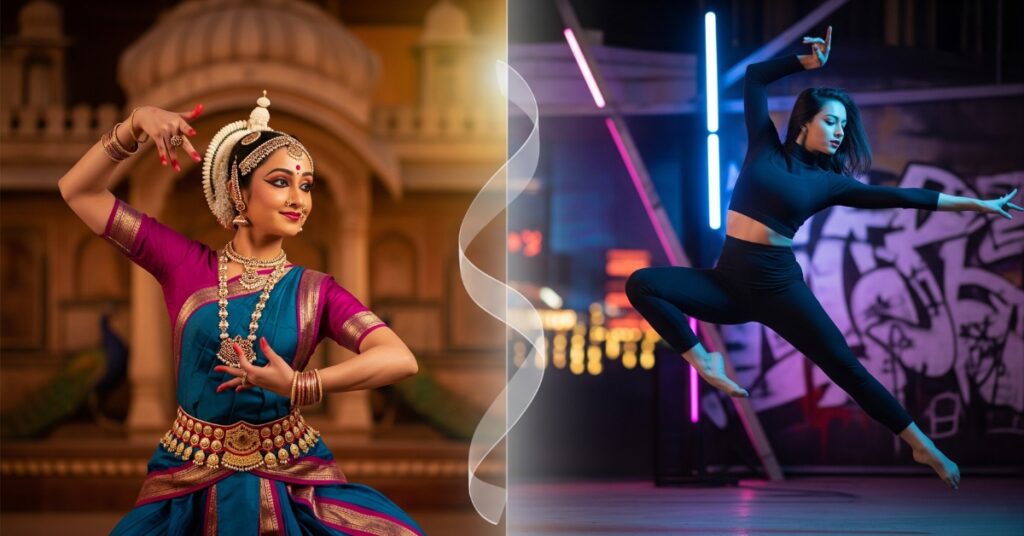
Traditional vs. Modern Dance Forms: Understanding the Differences Dance has been an integral part of human culture for centuries, serving as a medium for storytelling, celebration, and expression. Across the world, dance manifests in various forms, each reflecting the history, beliefs, and creativity of its culture. Broadly, dance can be categorized into traditional and modern forms. While both are rooted in artistic expression, they differ in style, purpose, technique, and influence. Understanding these differences helps enthusiasts, students, and performers appreciate the richness and diversity of dance. Traditional Dance Forms Traditional dance forms, often referred to as classical or folk dances, have deep cultural and historical roots. They are usually passed down from generation to generation and hold immense cultural significance. Traditional dances often narrate stories, celebrate rituals, or mark important events such as festivals, weddings, or harvests. For example, in India, Bharatanatyam, Kathak, and Odissi are classical dances that follow strict techniques, precise gestures, and storytelling methods rooted in mythology. Many dance lovers looking to master this art can join the best kathak classes in Dubai to learn from experienced instructors. Similarly, African tribal dances often reflect communal life, spiritual beliefs, and historical events, with movements symbolizing daily activities, prayers, or ancestral homage. One of the hallmarks of traditional dance is its structured choreography. Movements, steps, and gestures are codified, and dancers are trained to master intricate sequences. Traditional dances often require formal training and discipline, focusing on maintaining the authenticity of the art form. Music and costumes play a crucial role in enhancing the aesthetic appeal, often reflecting the cultural or religious context of the performance. Traditional dance also emphasizes preservation and continuity. Through performances, teachings, and festivals, these forms ensure that cultural heritage is transmitted to future generations. They are not just entertainment; they are a living record of a community’s history and values. Modern Dance Forms Modern dance forms, on the other hand, are more fluid, experimental, and contemporary in nature. Emerging in the 20th century as a reaction to the rigidity of classical forms, modern dance encourages individual expression, creativity, and innovation. Unlike traditional dances, modern forms often break conventional rules of technique and structure, allowing dancers to explore movement freely. Styles such as hip-hop, contemporary, jazz, and salsa exemplify modern dance. These forms are often influenced by urban culture, music trends, and global connectivity. Modern dance frequently incorporates improvisation, theatrical elements, and fusion techniques, blending movements from different genres. For those interested in fitness and group dance sessions, joining the best zumba classes in Dubai is a fun way to combine dance with energy-packed workouts. Another key difference is the purpose of performance. While traditional dances are rooted in storytelling and rituals, modern dances often focus on self-expression, entertainment, or social commentary. For example, hip-hop dance emerged from street culture as a form of social expression, while contemporary dance explores abstract ideas, emotions, or political themes. Modern dance also embraces diverse musical styles, from classical compositions to pop, electronic, and fusion music. Costumes are generally less elaborate than in traditional forms, emphasizing comfort and freedom of movement rather than cultural symbolism. Key Differences Between Traditional and Modern Dance Aspect Traditional Dance Modern Dance Origin Rooted in culture, history, and rituals Emerged as a contemporary art form Structure Highly codified, precise techniques Flexible, experimental, often improvised Purpose Storytelling, cultural preservation, rituals Expression, entertainment, innovation Music Traditional or classical Varied; modern, popular, or fusion Costumes Symbolic and elaborate Comfortable, practical, sometimes minimal Training Formal, disciplined, often lifelong Formal or informal, adaptable Bridging Tradition and Modernity While traditional and modern dance forms differ, they are not mutually exclusive. Many contemporary choreographers integrate elements of classical techniques with modern styles, creating fusion performances that honor tradition while embracing innovation. For example, combining Bharatanatyam’s precise footwork with contemporary fluidity can produce visually stunning performances that appeal to global audiences. For dance enthusiasts, exploring both traditional and modern forms can be enriching. Traditional dance teaches discipline, precision, and cultural appreciation, while modern dance encourages creativity, improvisation, and adaptability. Together, they provide a holistic understanding of dance as both an art and a form of expression. Embracing the Diversity of Dance In essence, traditional and modern dance forms reflect the diversity of human expression. Traditional dances preserve history, culture, and rituals through structured techniques, while modern dances push boundaries, promoting creativity and self-expression. Both forms complement each other, offering dancers and audiences a unique journey through time, culture, and imagination. By appreciating the differences and embracing the similarities, we celebrate the timeless art of dance in all its forms. More than 2 results are available in the PRO version (This notice is only visible to admin users) Most Recent Posts All Posts Blog Bollywood kathak Zumba The History and Cultural Significance of Bharatnatyam – Copy The History and Cultural Significance of Bharatnatyam Zumba Dance Benefits: Workout, Exercise & Weight Loss Guide Category Blog (26) Bollywood (4) kathak (21) Zumba (7) Explore Our Services Join our fun and engaging dance, music, and art classes for all ages! Explore More
The History and Cultural Significance of Bharatnatyam
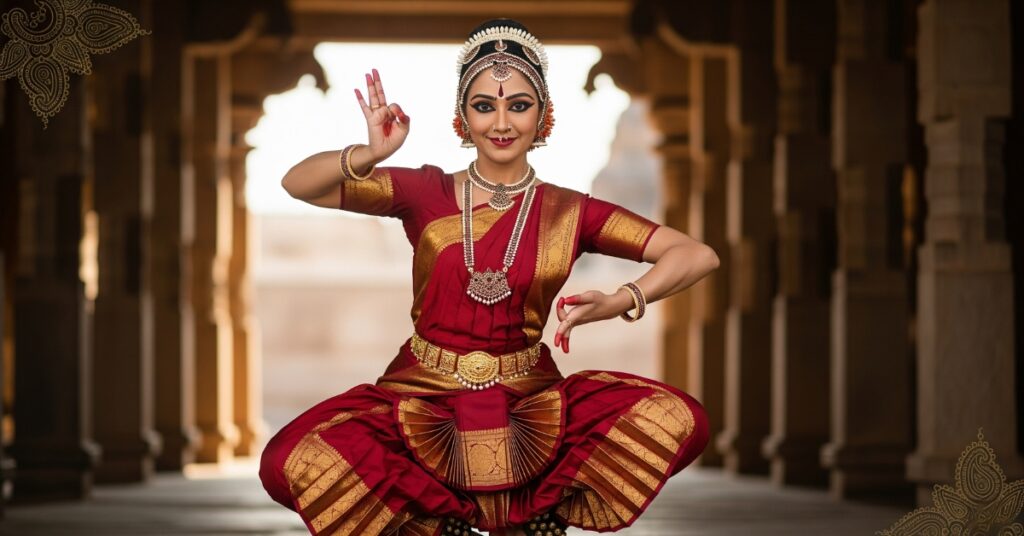
The History and Cultural Significance of Bharatanatyam Bharatnatyam, one of the oldest classical dance forms of India, is renowned for its grace, purity, and deep connection to spirituality. Originating in the southern state of Tamil Nadu, this dance form is not merely a visual spectacle but also a medium of storytelling, devotion, and cultural preservation. With its intricate footwork, expressive gestures, and rhythmic patterns, Bharatnatyam has captivated audiences for centuries, both within India and across the globe. Origins and Historical Background The roots of Bharatanatyam can be traced back over 2,000 years, making it one of the most ancient performing arts in India. Historical evidence of this dance form is found in the Natya Shastra, the ancient Sanskrit text on performing arts attributed to Bharata. The Natya Shastra outlines the principles of dance, drama, and music, and serves as a foundational guide for classical Indian arts, including Bharatanatyam. Traditionally, Bharatanatyam was performed in temples as an offering to deities, particularly Lord Shiva in his form as Nataraja, the cosmic dancer. These performances were an integral part of religious rituals, combining storytelling with spiritual devotion. Temples in Tamil Nadu, such as the Chidambaram and Meenakshi temples, played a significant role in preserving and nurturing this art form. Over time, Bharatanatyam evolved from being a purely devotional practice to a sophisticated performing art showcased on global stages. Dance Technique and Aesthetics Bharatanatyam is characterized by a unique combination of expressive gestures (mudras), rhythmic footwork (adavus), and intricate body movements. The dancer uses facial expressions and hand gestures to convey emotions and narrate stories from Hindu epics like the Ramayana, Mahabharata, and the Puranas. Each movement is meticulously choreographed, requiring years of dedicated training to master the precision and fluidity demanded by this art form. Costumes and makeup also play an essential role in Bharatanatyam performances. The traditional attire includes vibrant silk sarees adorned with gold jewelry, and intricate makeup highlights the dancer’s facial expressions. Bells (ghungroos) tied around the ankles accentuate the rhythm and synchronize with the accompanying Carnatic music, creating a mesmerizing audiovisual experience. Cultural Significance Beyond its aesthetic appeal, Bharatanatyam holds immense cultural significance. As a storytelling medium, it preserves the myths, legends, and moral values of Indian tradition. Each performance conveys philosophical teachings, ethical principles, and spiritual messages, making it an educational as well as an artistic experience. Bharatanatyam also serves as a tool for social cohesion and cultural identity. Historically, it provided communities with a shared space for religious expression and celebration. Even today, learning and performing Bharatanatyam fosters a sense of pride in India’s rich heritage and encourages the transmission of cultural knowledge to younger generations. Moreover, Bharatanatyam is recognized globally as a symbol of India’s artistic excellence. International festivals and cultural exchanges showcase this dance form, bridging cultural gaps and promoting appreciation for India’s intangible heritage. The dance’s global recognition underscores its ability to communicate universal human emotions such as love, devotion, sorrow, and joy, transcending linguistic and geographical boundaries. Contemporary Relevance While Bharatanatyam has deep roots in tradition, contemporary dancers have experimented with innovative choreography and themes, bringing fresh perspectives to classical performances. Modern interpretations explore social issues, personal narratives, and fusion with other art forms, making Bharatanatyam relevant to today’s audiences while still respecting its traditional essence. Furthermore, institutions and academies dedicated to Bharatanatyam across India and the world ensure its continuity. Online platforms and digital resources have also made learning more accessible, allowing enthusiasts from diverse backgrounds to experience and practice this art form. Preserving the Legacy of Bharatanatyam Bharatanatyam is more than just a dance; it is a cultural treasure that embodies India’s spiritual, artistic, and historical richness. Its precise technique, emotive storytelling, and devotional essence make it a unique form of artistic expression that continues to inspire and captivate. Preserving and promoting Bharatanatyam is essential not only for safeguarding a centuries-old tradition but also for celebrating the enduring beauty of India’s cultural heritage. Whether performed in a temple, on a stage, or in contemporary settings, Bharatanatyam remains a timeless expression of devotion, artistry, and cultural identity. For those looking to learn this magnificent art form, enrolling in the best bharatanatyam classes in Dubai can provide expert guidance and help students connect with its rich traditions. Get AI Insights on This Post: CHat – gpt Perplexity Google AI Grok More than 2 results are available in the PRO version (This notice is only visible to admin users) Most Recent Posts All Posts Blog Bollywood kathak Zumba The History and Cultural Significance of Bharatnatyam Zumba Dance Benefits: Workout, Exercise & Weight Loss Guide Top 10 Importance of Dance: Mental, Physical, Emotional & Social Benefits for All Category Blog (25) Bollywood (4) kathak (20) Zumba (7) Explore Our Services Join our fun and engaging dance, music, and art classes for all ages! Explore More
Zumba Dance Benefits: Workout, Exercise & Weight Loss Guide

Importance of Zumba Dance: Benefits, Exercise & Workout for Beginners and Weight Loss Zumba has taken the fitness world by storm, becoming one of the most popular dance-based workout routines across the globe. Unlike traditional exercises, Zumba is fun, energetic, and engaging, making it easier for people to stay consistent with their fitness goals. Whether you’re aiming to lose weight, improve flexibility, boost stamina, or simply enjoy an exciting workout, Zumba offers numerous health benefits. This blog will cover the importance of Zumba dance, its benefits, exercise styles, and workout routines for beginners, along with its effectiveness for weight loss and toning. What is Zumba Dance? Zumba is a Latin-inspired dance fitness program created in the 1990s. It combines energetic dance moves with aerobic exercise, usually set to upbeat music like salsa, reggaeton, hip-hop, and merengue. The best part about Zumba is that it doesn’t feel like a workout—it feels like a party! That’s why it has become such a popular choice for people of all ages and fitness levels. Importance of Zumba Dance Fun Way to Exercise – Unlike monotonous gym routines, Zumba keeps you engaged with music and rhythm. This makes it easier for people to stick with their workouts. Full-Body Workout – Zumba engages almost every muscle group, from arms and shoulders to legs and core, ensuring a balanced workout. Accessible to Beginners – You don’t need any prior dance experience to start Zumba. The steps are simple and repetitive, making it perfect for beginners. Mental Health Boost – Dancing releases endorphins, reduces stress, and enhances mood, making Zumba not just a physical workout but also a mental refresher. Supports Weight Loss & Toning – Zumba is a high-intensity workout that burns calories and helps in fat reduction while toning the muscles. Benefits of Zumba Dance 1. Effective Weight Loss One of the biggest reasons people join Zumba is to shed extra kilos. A one-hour Zumba session can burn anywhere from 500 to 800 calories, depending on intensity. This makes it one of the most efficient workouts for weight loss. 2. Improves Cardiovascular Health Since Zumba involves aerobic movements, it boosts heart rate, improves blood circulation, and enhances lung capacity, making it excellent for cardiovascular fitness. 3. Tones the Body Zumba workouts target multiple muscle groups. The dance moves strengthen legs, arms, and abs while improving flexibility and posture. Over time, this leads to toned and sculpted muscles. 4. Boosts Mental Health Zumba helps fight anxiety, stress, and depression. The combination of dance, music, and social interaction improves mood and enhances overall mental well-being. 5. Enhances Flexibility and Coordination The varied dance moves in Zumba improve body coordination, balance, and flexibility, which are essential for long-term fitness. 6. Suitable for All Ages From teenagers to seniors, Zumba can be customized for everyone. Even kids and older adults can join specially designed Zumba classes. Zumba Dance Exercise for Weight Loss Zumba exercises typically include a mix of fast and slow rhythms that create an interval-training style workout. Some common moves include: Basic Salsa Steps – Great for hips and legs. Reggaeton Moves – High-intensity movements for calorie burning. Merengue Steps – Helps in toning thighs and calves. Hip-hop Inspired Moves – Builds stamina and burns fat quickly. When done regularly, these exercises boost metabolism and help in faster fat burning, leading to steady and sustainable weight loss. Zumba Dance Workout for Beginners If you’re new to Zumba, start with 20–30 minutes of beginner-friendly sessions and gradually move to longer and more intense workouts. Beginner Tips: Wear comfortable workout shoes and clothes. Start with basic movements instead of rushing into high-intensity steps. Stay hydrated during workouts. Focus on enjoying the dance instead of perfection. Combine Zumba with a balanced diet for maximum weight loss results. Most gyms, fitness centers, and even YouTube channels provide beginner-friendly Zumba classes, making it easy to start at home or in a group session. Zumba Dance for Weight Loss: How Effective Is It? Zumba works as a cardio plus strength training workout, which makes it highly effective for fat loss and toning. If practiced 3–4 times a week, combined with a healthy diet, Zumba can show visible results in just a few weeks. Calories Burned – Up to 800 per session Toning – Arms, legs, abs, and glutes Improves Stamina – Enhances endurance and energy levels Long-term Benefits – Sustainable weight management Why You Should Try Zumba Zumba is more than just a dance—it’s a complete workout for the body and mind. It helps with weight loss, toning, flexibility, cardiovascular health, and mental well-being. For beginners, Zumba is an excellent way to kickstart fitness without feeling pressured by heavy gym workouts. With consistency, Zumba can transform not just your physical appearance but also your energy levels and overall lifestyle. If you’re ready to begin your fitness journey, joining the best zumba classes in Dubai can be a great way to stay motivated, meet like-minded people, and achieve long-term health benefits while enjoying every session. FAQs About Zumba Dance 1. Is Zumba good for weight loss?Yes, Zumba is excellent for weight loss as it burns 500–800 calories per hour. 2. Does Zumba help in toning the body?Absolutely! Zumba involves full-body movements that strengthen and tone muscles. 3. Is Zumba suitable for beginners?Yes, beginners can start with simple Zumba steps and gradually increase intensity. 4. How many times a week should I do Zumba for weight loss?For best results, aim for 3–4 sessions per week along with a healthy diet. 5. Can Zumba replace gym workouts?Yes, Zumba provides both cardio and strength benefits, making it a great gym alternative. 6. Does Zumba reduce belly fat?Yes, the high-energy moves target abdominal muscles and help reduce belly fat. 7. Is Zumba safe for older adults?Yes, there are low-impact Zumba classes designed specifically for seniors. 8. Can Zumba improve mental health?Yes, Zumba reduces stress, boosts mood, and releases endorphins. 9. How long does it take to see results with Zumba?With consistency, results can be seen within 4–6 weeks. 10.
Top 10 Importance of Dance: Mental, Physical, Emotional & Social Benefits for All

Top 10 Importance of Dance: Mental, Physical, Emotional & Social Benefits for All Dance is more than just movement to music—it’s a powerful tool for personal growth, fitness, self-expression, and emotional well-being. It blends creativity with physical activity and has benefits that go far beyond the dance floor. Whether you dance professionally, casually, or just for fun, incorporating dance into your lifestyle can lead to transformative results. Let’s explore the 10 importance of dance, covering the mental, emotional, physical, and social benefits of dancing, including its value for kids, students, women, and everyone else who chooses to dance regularly. 1. Physical Benefits of Dancing Dancing is an excellent form of physical exercise that strengthens your body while keeping workouts fun. Improves cardiovascular health and boosts stamina Enhances flexibility, posture, and muscle tone Aids in weight loss and body sculpting Increases bone strength and joint mobility Helps in better body coordination and balance Whether you’re doing ballet, salsa, Zumba, or freestyle, the physical benefits of dancing are undeniable and long-lasting. 2. Mental Benefits of Dancing Dance is not just a physical activity—it’s also a mental challenge that helps improve brain function. Enhances memory and cognitive ability Boosts focus and mental clarity Stimulates creativity and imagination Lowers stress, anxiety, and mental fatigue Improves overall mental alertness These mental benefits of dancing make it a great way to stay sharp and reduce stress in a fun and engaging way. 3. Emotional Benefits of Dancing Dancing allows you to express emotions through movement and rhythm. It’s a beautiful therapy for the soul. Releases endorphins that improve mood Encourages emotional self-expression and confidence Helps manage depression and emotional imbalance Builds resilience and emotional strength Creates a sense of personal freedom and joy If you’re feeling low or emotionally drained, dance can be the emotional reset you need. 4. Social Benefits of Dancing Dance brings people together and helps form meaningful connections in both personal and professional spaces. Builds communication and interpersonal skills Encourages collaboration and teamwork Boosts confidence in social situations Offers opportunities to meet like-minded individuals Creates a strong sense of belonging and community From social dance events to group classes, the social benefits of dancing are a major reason many people start dancing in the first place. 5. Benefits of Dancing for Kids Dance plays a vital role in the physical and emotional development of children. Enhances motor skills, coordination, and agility Boosts self-confidence and discipline Encourages creativity and imagination Improves social skills and cooperation Provides a fun outlet for energy and expression The benefits of dancing for kids also extend to academic improvement, as dance helps improve focus and memory. 6. Benefits of Dancing for Students For students of all ages, dance serves as an excellent break from study pressure and digital distractions. Relieves academic stress and anxiety Improves concentration and productivity Enhances memory through choreography and rhythm Fosters teamwork in group dance performances Builds time management and commitment skills Incorporating dance in school or college can make students more active, confident, and balanced. 7. Benefits of Dancing for Women Dance empowers women to connect with themselves physically and emotionally while staying fit and healthy. Promotes body positivity and self-love Helps regulate hormones and manage PMS Aids in postpartum recovery and mental wellness Strengthens bones and reduces risk of osteoporosis Provides a creative outlet to express feminine energy Whether it’s Zumba, belly dancing, or classical forms like Kathak, the benefits of dancing for women are holistic and uplifting. 8. Benefits of Dancing Exercise Dance as a form of exercise combines the benefits of fitness with the joy of movement and music. Burns calories while improving heart rate Offers a full-body workout in a short time Reduces boredom and keeps motivation high Low-impact options are available for all age groups Improves lung capacity and physical endurance These benefits of dancing exercise make it ideal for those who find traditional workouts repetitive or dull. 9. Benefits of Dance Workout Dance workouts like Zumba, aerobic dance, or Bollywood cardio are popular fitness trends for a reason. Provides a dynamic and fun alternative to gym sessions Tones different muscle groups simultaneously Improves coordination, speed, and reflexes Increases energy levels and body awareness Easily adjustable intensity to suit all fitness levels If you’re bored with treadmills and weights, switching to a dance workout routine can reignite your fitness journey. You can even explore some of the zumba classes in Dubai to start your journey with energetic and fun-filled sessions. 10. Benefits of Dancing Daily Dancing daily is not only great for your body, but also for your mind, emotions, and relationships. Maintains consistent physical activity levels Builds healthy habits and routines Boosts mood and fights symptoms of depression Improves sleep quality and daily energy Enhances overall quality of life The benefits of dancing daily accumulate over time, making you healthier, happier, and more confident every single day. Why You Should Start Dancing Today? Dance is universal—it transcends age, culture, and fitness level. Whether you’re looking to improve your physical health, sharpen your mind, balance your emotions, or meet new people, dance offers a powerful solution. From the physical benefits of dancing to the emotional and mental benefits, the impact is undeniable. By dancing regularly—whether alone, in a class, or as a form of exercise—you unlock a world of joy, fitness, and self-discovery. So, lace up those shoes, put on your favorite playlist, and start dancing today! And if you’re looking for expert guidance and structured learning, try the kathak classes in Dubai to explore classical Indian dance at its finest. More than 2 results are available in the PRO version (This notice is only visible to admin users) Most Recent Posts All Posts Blog Bollywood kathak Zumba Top 10 Importance of Dance: Mental, Physical, Emotional & Social Benefits for All Importance of Hand Gestures in Kathak Top 10 Must-Know Tatkars (Footwork Patterns) in Kathak Category Blog (23) Bollywood (3) kathak (18) Zumba (6) Explore Our Services Join our fun and engaging dance, music, and art classes for all ages! Explore More
