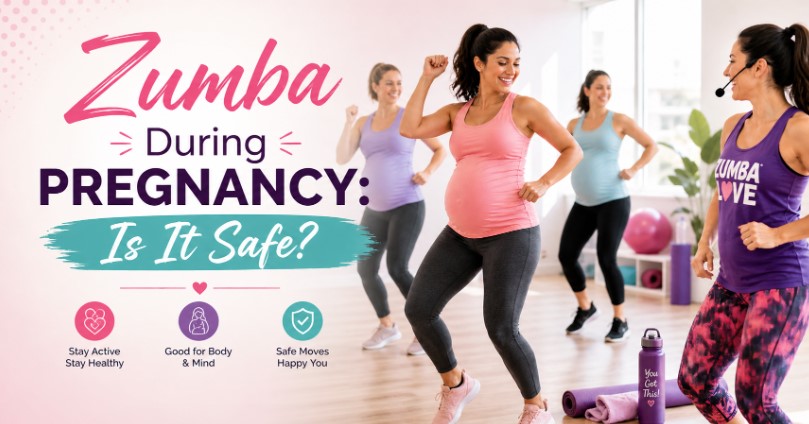
Summary: Zumba during pregnancy can be a safe and enjoyable way to stay active when practiced with proper precautions and medical guidance. This blog explores the benefits, safety tips, trimester-wise considerations, and important precautions expectant mothers should know before joining a Zumba class.
Pregnancy is a beautiful journey, but it also brings major physical and emotional changes. Staying active during this time is important for maintaining overall health, reducing stress, and preparing the body for childbirth. Among the many fitness options available, Zumba has become a popular choice for pregnant women because it combines dance, music, and cardio exercise in a fun and engaging way.
But one common question many expectant mothers ask is: Is Zumba safe during pregnancy?
The answer is yes — in many cases, Zumba can be safe during pregnancy when performed carefully and with medical approval. However, there are important precautions every pregnant woman should understand before joining a class or starting a workout routine.
What Is Zumba?
Zumba is a dance-based fitness program that combines energetic movements with music inspired by Latin and international dance styles. It includes cardio exercises, light strength movements, and rhythmic choreography that help improve fitness while making workouts enjoyable.
Unlike traditional gym workouts, Zumba feels more like dancing than exercising, which is one reason it appeals to many women during pregnancy.
Benefits of Zumba During Pregnancy
When practiced safely, Zumba can offer several physical and emotional benefits for pregnant women.
1. Helps Maintain a Healthy Weight
Regular physical activity during pregnancy can help prevent excessive weight gain. Zumba keeps the body active through low to moderate-intensity cardio movements that burn calories and support healthy weight management.
2. Improves Mood and Reduces Stress
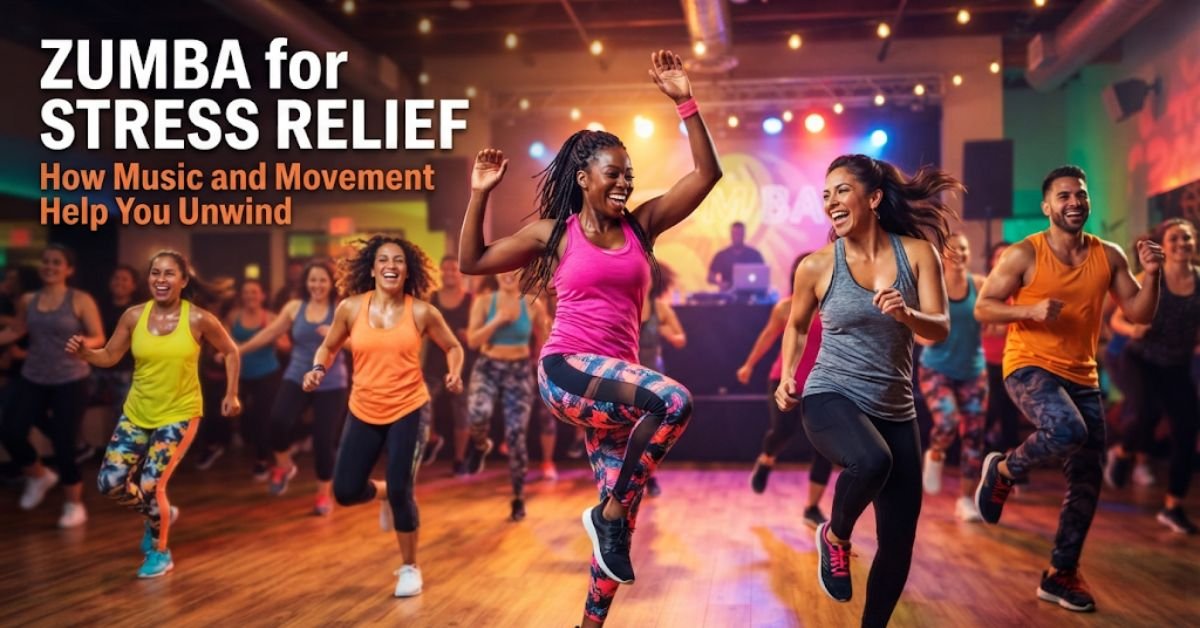
Pregnancy hormones can sometimes lead to mood swings, anxiety, and stress. Dancing to upbeat music releases endorphins, which naturally improve mood and reduce stress levels.
Many women find Zumba sessions uplifting and emotionally refreshing.
3. Boosts Blood Circulation
Movement-based exercises like Zumba help improve blood circulation throughout the body. Better circulation may reduce swelling in the legs and feet, which is common during pregnancy.
4. Increases Stamina and Energy
Labor and delivery require physical endurance. Staying active through Zumba may help improve stamina and overall energy levels during pregnancy.
5. Supports Better Sleep
Pregnant women often struggle with sleep problems. Moderate exercise can help the body relax and promote better sleep quality.
6. Encourages Social Interaction
Joining a pregnancy-friendly Zumba class allows women to connect with others, stay motivated, and enjoy a positive social environment.
Is Zumba Safe During Pregnancy?
For many healthy pregnancies, Zumba can be safe with modifications. However, every pregnancy is different, and safety depends on several factors, including:
- Your fitness level before pregnancy
- Your trimester
- Medical conditions or complications
- Workout intensity
- Doctor’s recommendations
Before starting or continuing Zumba during pregnancy, it is important to consult your healthcare provider.
Women with high-risk pregnancies or medical complications may be advised to avoid certain exercises.
Best Types of Zumba for Pregnant Women
Not all Zumba classes are suitable during pregnancy. High-impact routines with jumping, twisting, or rapid movements may increase discomfort or risk.
Safer options include:
Prenatal Zumba
Some instructors offer pregnancy-specific Zumba classes designed with safer movements and lower intensity.
Low-Impact Zumba
Low-impact routines avoid excessive jumping and reduce pressure on the joints and pelvic area.
Zumba Gold
Originally designed for older adults and beginners, Zumba Gold uses slower and gentler movements that can also work well for pregnant women.
Safety Tips for Doing Zumba During Pregnancy
Following proper precautions is essential for protecting both mother and baby.
1. Get Medical Approval
Always speak with your doctor before starting any exercise program during pregnancy.
2. Avoid Overheating
Pregnant women can become overheated more easily. Choose a cool environment, wear breathable clothing, and stay hydrated throughout the workout.
3. Listen to Your Body
Pregnancy is not the time to push physical limits. Stop immediately if you feel:
- Dizziness
- Shortness of breath
- Chest pain
- Nausea
- Contractions
- Vaginal bleeding
4. Modify High-Impact Movements
Avoid:
- Jumping
- Sudden twisting
- Fast spins
- Deep bends
- Intense abdominal movements
Choose slower, controlled movements instead.
5. Maintain Balance
As pregnancy progresses, the body’s center of gravity changes. This increases the risk of falling. Focus on stable movements and avoid routines that require quick directional changes.
6. Stay Hydrated
Drink water before, during, and after the session to prevent dehydration.
7. Wear Proper Footwear
Supportive athletic shoes help reduce strain on the knees, ankles, and lower back.
Zumba During Each Trimester
First Trimester
Many women can continue their normal Zumba routine during the first trimester if they feel comfortable and have no complications. Fatigue and nausea may affect energy levels, so workouts may need adjustment.
Second Trimester
This is often the most comfortable phase for exercise. However, balance changes become more noticeable, making low-impact modifications important.
Third Trimester
During the final months, intense cardio and fast dance routines may become uncomfortable. Gentle movement, stretching, and slower Zumba routines are generally safer choices.
Who Should Avoid Zumba During Pregnancy?
Certain medical conditions may make Zumba unsafe during pregnancy. Women should avoid or stop exercising if they have:
- Placenta previa
- Severe anemia
- High blood pressure
- Heart or lung disease
- Risk of preterm labor
- Persistent bleeding
- Cervical complications
Always follow medical guidance regarding exercise restrictions.
Can Beginners Start Zumba While Pregnant?
Yes, some beginners can safely start low-impact Zumba during pregnancy with doctor approval. However, it is important to begin slowly and avoid intense sessions.
Women who were active before pregnancy often adapt more easily to Zumba workouts compared to complete beginners.
A trained instructor who understands prenatal fitness can also help modify movements safely.
Tips for a Safe Prenatal Zumba Routine
Here are a few simple ways to make Zumba safer during pregnancy:
- Exercise at moderate intensity
- Take frequent breaks
- Keep movements controlled
- Avoid exhaustion
- Choose prenatal-certified instructors
- Focus on enjoyment rather than performance
The goal is to stay healthy and active — not to achieve extreme fitness results.
Staying Active Safely During Pregnancy
Pregnancy does not mean giving up fitness completely. With proper guidance, medical approval, and safe workout modifications, Zumba can be an enjoyable way to stay healthy, active, and positive throughout your pregnancy journey. Choosing low-impact routines, staying hydrated, and listening to your body are essential for a safe experience. If you are looking to begin your fitness journey, exploring the best zumba classes in Dubai can help you find professional instructors who offer pregnancy-friendly sessions in a supportive environment.