
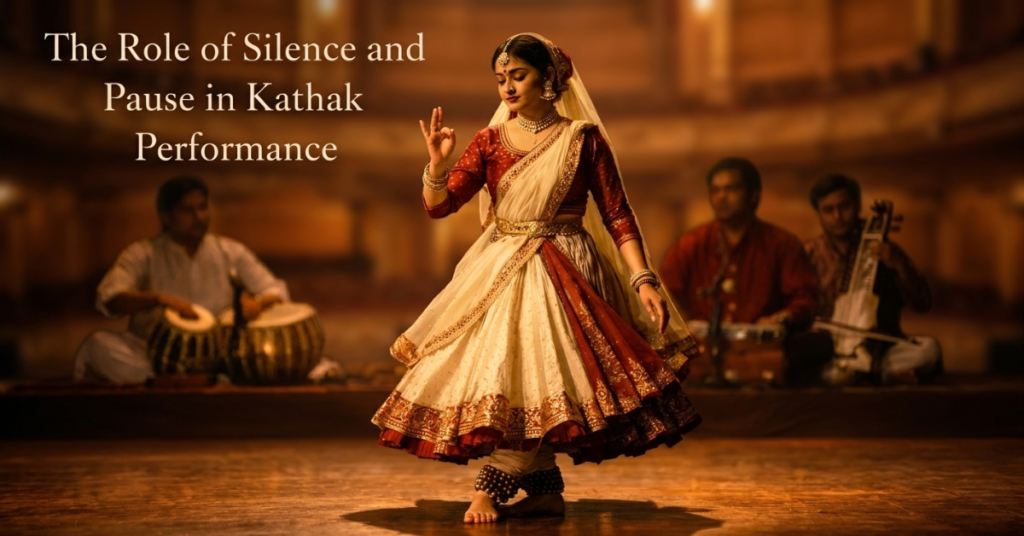
 Summary:-Kathak is often recognized for its rhythmic footwork, graceful spins, and expressive storytelling. The sound of ghungroo following the beats of the tabla creates a dynamic flow throughout the performance. Yet, alongside these movements and sounds, there are quieter moments that play an equally important role.
Silence and pause are subtle elements that shape the rhythm and emotional depth of a Kathak performance. They allow dancers to highlight technique, emphasize expressions, and create space for the audience to absorb what is happening on stage. Rather than interrupting the dance, these moments of stillness help bring balance to the performance.
Movement and Stillness in Kathak
A Kathak performance is not built on constant motion. Instead, it is structured through a thoughtful balance between movement and stillness. Dancers often move through sequences of footwork, spins, and gestures, followed by brief moments where the body becomes still.
These pauses help mark transitions within the choreography. They also allow the audience to notice details that might otherwise be missed, such as the precision of footwork or the clarity of a pose.
In this way, stillness becomes part of the rhythm of the dance.
Understanding Silence and Pause
Although silence and pause often appear together, they serve slightly different purposes within a Kathak performance.
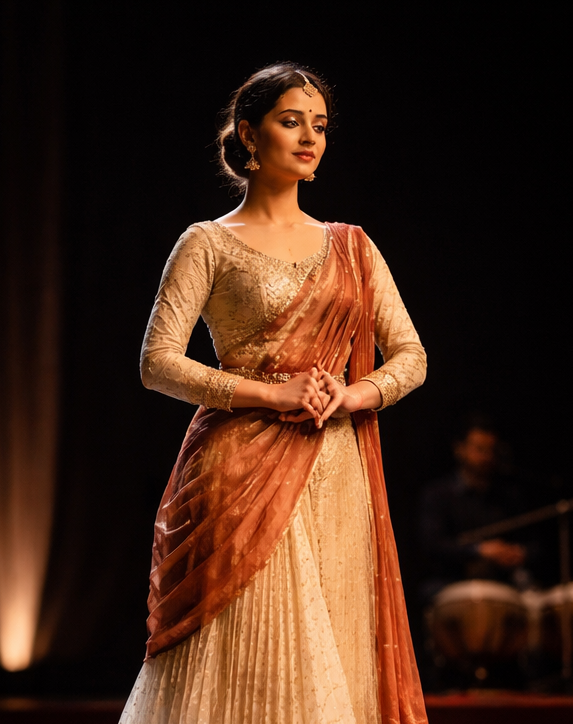
A pause usually refers to a brief stop in the dancer’s movement. This might occur after completing a rhythmic phrase, a spin, or before beginning a new sequence. Pauses help organize the choreography and give structure to the performance.
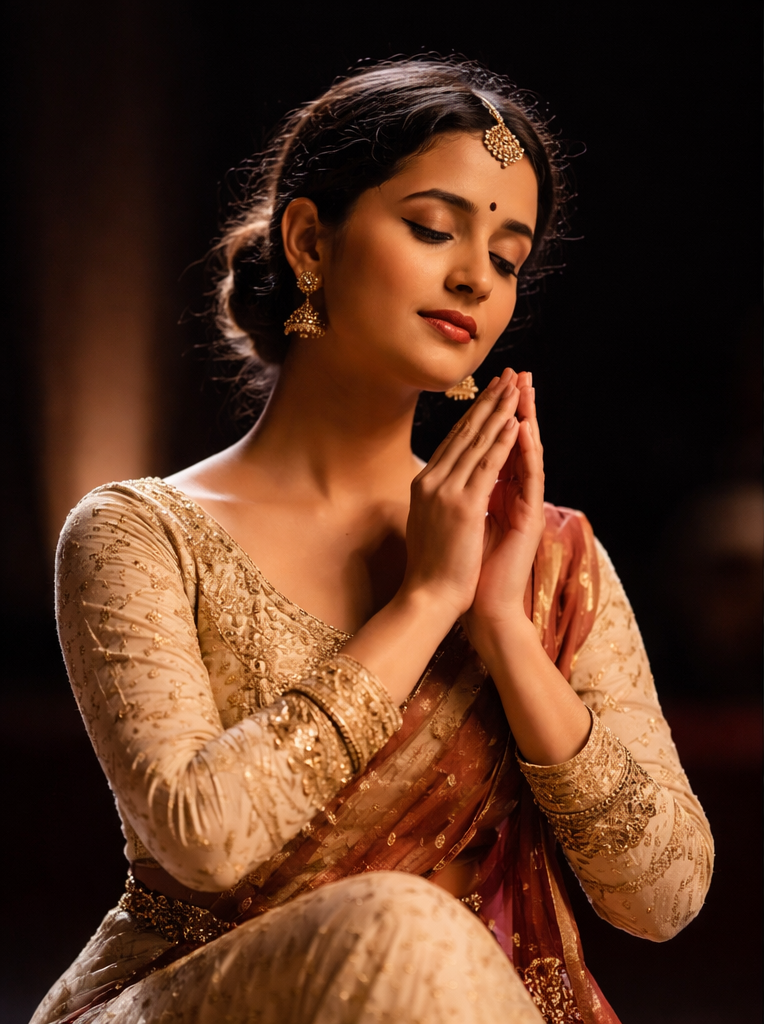
Silence, on the other hand, relates more to the soundscape of the performance. It may occur when the music softens or briefly stops, allowing the dancer’s expressions or gestures to become the main focus.
When silence and pause occur together, they create a moment where the audience’s attention naturally settles on the dancer’s presence and expression.
Silence vs Pause in Kathak: A Quick Comparison
Although silence and pause often appear together in a Kathak performance, they highlight different aspects of the dance.
Pause in Kathak
- A brief stop in the dancer’s movement.
- Usually appears after spins, footwork, or rhythmic compositions.
- Helps mark the end of a sequence and prepare for the next one.
- Emphasizes posture, balance, and technical control.
Silence in Kathak
- A moment when the music softens or briefly stops.
- Draws attention to expressions and gestures.
- Adds emotional depth during storytelling sections.
- Helps the audience focus on the dancer’s presence.
When used together, silence and pause create a balanced moment on stage where both movement and sound briefly step back, allowing the audience to fully appreciate the performance.
How Pauses Shape Rhythm?
Rhythm plays a central role in Kathak, and pauses help make that rhythm clearer.
Dancers often perform rhythmic compositions that build in complexity. After completing a sequence such as a tukra or a tihai a brief pause may follow. This pause signals the end of the rhythmic phrase and gives the audience a moment to register the pattern.
These pauses help maintain clarity within the performance, especially when the rhythm becomes fast or intricate.
Silence in Expressive Sections
Kathak is also known for its expressive storytelling where dancers use gestures and facial expressions to portray emotions or narrative elements.
In these moments, silence can be particularly effective. When the music softens or briefly pauses, the focus naturally shifts to the dancer’s expression and movement.
This quiet space allows the emotion of the scene to come forward more clearly. The audience is given a moment to connect with the feeling being conveyed before the dance continues.
Creating Balance Within the Performance
Silence and pause contribute to the overall balance of a Kathak performance .continuous movement can feel overwhelming, especially when sequences become fast and complex.
Moments of stillness help slow the pace slightly and create contrast within the choreography. They also give dancers the opportunity to transition smoothly into the next section of the performance.
Through this balance, the performance maintains both clarity and visual interest.
Interaction with Music
In traditional Kathak performances, dancers often perform alongside live musicians. This creates an ongoing interaction between movement and music.
A dancer may pause after completing a rhythmic phrase, allowing the tabla player to respond. Similarly, a short silence in the music can signal a shift in the choreography.
These subtle exchanges add depth to the performance and highlight the close relationship between dance and music in Kathak.
The Control Behind Stillness
Holding a still pose after a series of movements requires control and balance. After fast spins or intricate footwork ,remaining steady demonstrates the dancer’s training and focus.
These moments also reflect the dancer’s awareness of timing. Knowing when to pause or remain still is just as important as executing the movements themselves.
In this way, stillness becomes another aspect of technique within Kathak.
Appreciating the Subtle Elements of Kathak
Silence and pause may seem like small details, but they contribute significantly to the overall experience of a Kathak performance. They help shape rhythm, support storytelling, and bring clarity to the choreography.
By paying attention to these quieter moments, audiences can gain a deeper appreciation of the balance and thought that goes into every performance.
Discover the Art of Kathak!
Learning Kathak involves more than practicing steps and rhythm. It also involves understanding timing, expression, and the thoughtful use of stillness within movement.
At Upaj Academy , students receive structured training that focuses on both technique and artistic expression. With guidance from experienced instructors, learners gradually understand how rhythm, movement, silence, and pause work together to create a balanced performance.
If you are interested in experiencing the elegance of this classical dance form, exploring the best Kathak Dance classes in Dubai can be a great step toward learning the depth and beauty of Kathak.
Frequently Asked Questions
Why are pauses important in Kathak dance performances?
Pauses help structure the choreography and highlight important movements. They allow the audience to appreciate the rhythm, precision, and expression of the dancer before the next sequence begins.
How does silence enhance storytelling in Kathak?
Silence creates a brief moment where expressions and gestures become the main focus. This helps the audience understand the emotion or narrative being conveyed without distraction from continuous music or movement.
Do Kathak dancers plan pauses during choreography?
Yes, pauses are often carefully planned within the choreography. They are used to mark the end of rhythmic compositions, emphasize dramatic moments, or create transitions between different sections of the performance.
Is silence used differently in rhythmic and expressive sections of Kathak?
Yes, in rhythmic sections silence may occur when the music briefly stops to highlight footwork or rhythm patterns. In expressive sections, silence allows facial expressions and gestures to communicate the story more clearly.
Can beginners understand the use of silence and pause while learning Kathak?
Beginners usually start by focusing on basic movements and rhythm. As they progress, they gradually learn how pauses and silent moments contribute to timing, stage presence, and overall performance quality.