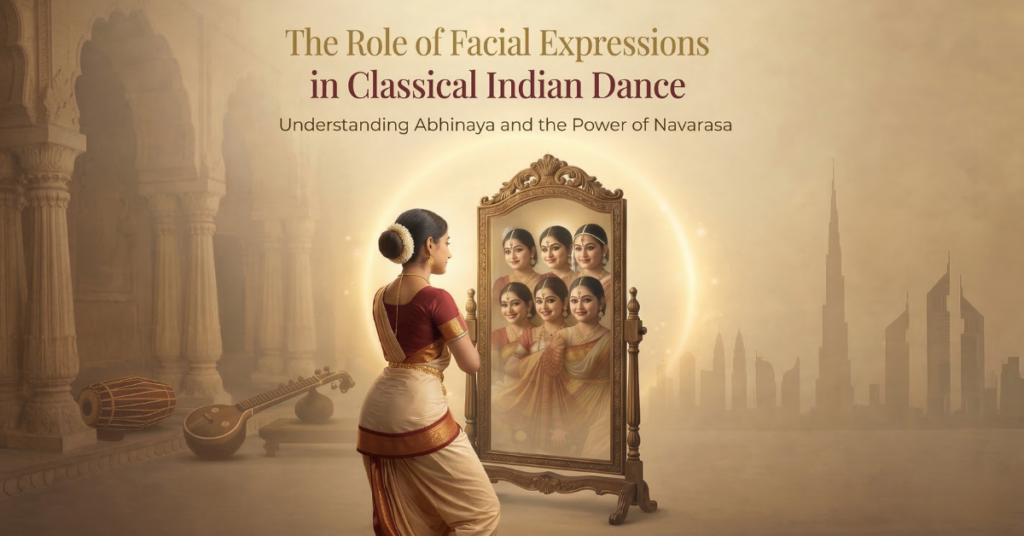
Summary:-Classical Indian dance is not only about graceful movements and rhythmic footwork. It is also a powerful language of expression. Through subtle facial movements, dancers communicate emotions, characters, and stories that audiences can instantly connect with.
In traditions like Kathak, facial expressions form an important part of Abhinaya, the expressive dimension of dance. A simple glance, a raised eyebrow, or a gentle smile can convey an entire emotion or moment in the story. These expressions allow the dancer to transform movement into storytelling, creating a deeper emotional experience for the audience.
Understanding how these expressions work reveals both the artistic and scientific depth of classical Indian dance.
Understanding Abhinaya: The Art of Expression
In Indian classical dance traditions, the expressive aspect of performance is known as Abhinaya. The Sanskrit word comes from “abhi” (towards) and “naya” (to lead), meaning to lead the audience toward an emotional experience.
Abhinaya combines several elements such as body movements, gestures, expressions, costumes, and inner emotions. Among these, facial expressions play a central role because they help communicate the dancer’s inner feelings to the audience.
In Kathak performances, Abhinaya is especially visible during storytelling sequences where dancers interpret poetry, devotional themes, or mythological narratives.
What Is the Science Behind Facial Expressions in Dance?
While expressions in dance appear artistic, they also involve a fascinating scientific process. The human face contains many small muscles that work together to produce different emotions. Skilled dancers train these muscles so they can precisely control expressions such as joy, surprise, curiosity, or devotion.
Even a small movement of the eyebrows or lips can change the meaning of an expression. Through practice, dancers learn to coordinate facial expressions with eye movements, gestures, and rhythm, creating a complete visual language.
Research in human expression also shows that subtle facial movements communicate emotions effectively across cultures, which explains why audiences can understand the feelings portrayed by dancers even without spoken words.
The Language of the Eyes (Drishti)
In classical dance training, special attention is given to the eyes because they are one of the most expressive parts of the face.
Eye movements, called Drishti, guide the audience’s attention and help illustrate the story. A dancer may look upward to indicate devotion, sideways to suggest curiosity, or downward to express humility.
In Kathak, the graceful coordination of eye movements with hand gestures and footwork enhances storytelling and creates a captivating visual flow during the performance.
Navarasa: The Nine Emotions in Classical Dance
Indian aesthetic philosophy describes nine fundamental emotional states known as Navarasa (Nava = nine, Rasa = emotional essence or sentiment). These emotions form the expressive foundation of many classical Indian dance performances.
In Kathak, dancers convey these emotions through subtle facial expressions, eye movements, and body language. Each Rasa allows the performer to bring depth and meaning to storytelling sequences.
Shringara – Love and Beauty
Shringara represents feelings of love, affection, and admiration. In Kathak, this emotion is often portrayed through soft smiles, gentle eye movements, and graceful gestures.
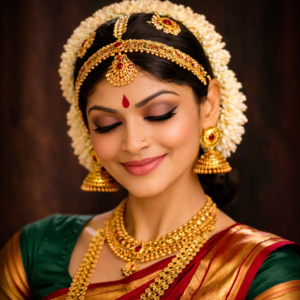
It is commonly used in storytelling segments depicting romantic or devotional themes, where the dancer expresses admiration for beauty, nature, or divine love.
Hasya – Joy and Laughter
Hasya reflects happiness, amusement, and playful laughter. Dancers express this emotion through bright smiles, lively eyes, and lighthearted facial expressions.
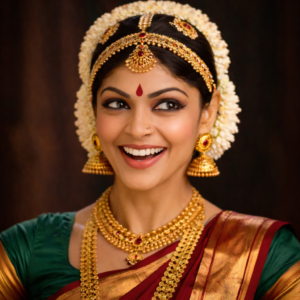
In Kathak storytelling Hasya may appear in playful moments between characters or in humorous situations that bring warmth and energy to the performance.
Karuna – Compassion and Sadness
Karuna conveys feelings of empathy, sorrow, or deep compassion. Dancers express this emotion through softened eyes, slow movements, and subtle expressions that reflect emotional depth
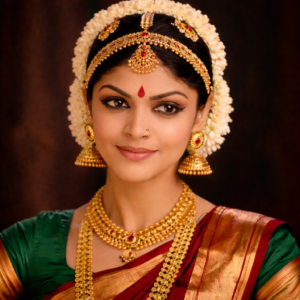
This Rasa is often used in narratives that depict moments of longing, separation, or heartfelt devotion.
Raudra – Anger
Raudra represents powerful emotions such as anger, intensity, or fierce determination. The dancer’s expressions become sharper, with intense eyes and strong facial movements.
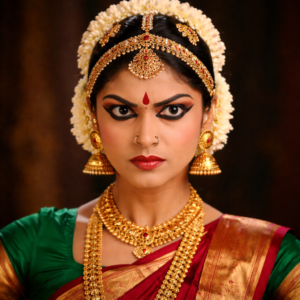
Although Kathak is known for its elegance, this emotion may appear in dramatic storytelling moments where characters experience conflict or strong emotions.
Veera – Courage
Veera symbolizes bravery, confidence, and strength. This emotion is expressed through focused eyes, upright posture, and determined expressions.
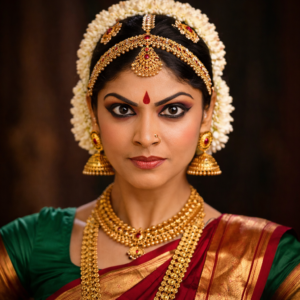
In Kathak performances, Veera may be used to portray heroic characters, moments of triumph, or expressions of inner strength.
Bhayanaka – Fear
Bhayanaka reflects feelings of fear, anxiety, or suspense. Dancers portray this emotion through widened eyes, tense expressions, and subtle changes in body language.
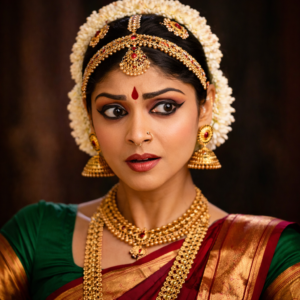
In storytelling sequences, Bhayanaka can heighten dramatic moments and create a sense of anticipation within the narrative.
Bibhatsa – Disgust
Bibhatsa represents feelings of discomfort, dislike, or rejection. The dancer may express this emotion through slight facial contractions, raised lips, or expressions of displeasure.
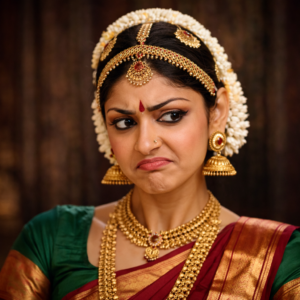
Although used sparingly, this Rasa helps add emotional contrast and realism to certain storytelling moments.
Adbhuta – Wonder
Adbhuta conveys amazement, curiosity, and fascination. This emotion is expressed through widened eyes, lifted eyebrows, and expressions of delight.
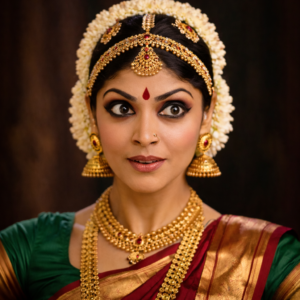
In Kathak performances Adbhuta may appear when the dancer portrays moments of discovery, admiration, or awe within a story.
Shanta – Peace and Tranquility
Shanta represents calmness, inner balance, and spiritual peace. The expressions are gentle and composed, reflecting serenity and emotional harmony.
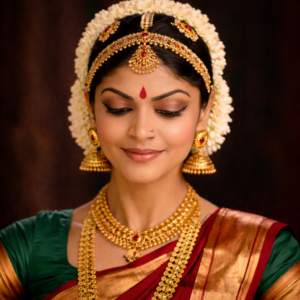
This emotion is often used in devotional pieces where the dancer expresses a deep sense of connection and tranquility.
These nine emotions allow Kathak dancers to transform movements into expressive storytelling, helping audiences connect deeply with the narrative and experience the full emotional richness of classical Indian dance.
Subtlety of Expression in Kathak
Different classical dance styles emphasize expressions in unique ways. In Kathak, expressions are often subtle and graceful rather than exaggerated. This delicate approach allows the dancer to transition smoothly between emotions while maintaining elegance.
A Kathak dancer may portray multiple characters within a single story simply by changing expressions, gaze direction, or posture .This ability highlights the depth of training and artistic sensitivity required in classical dance.
Training Facial Expressions in Kathak
Learning expressions is an important part of Kathak training. Students gradually develop control over their facial muscles through guided practice and observation.
Teachers often encourage students to practice in front of mirrors so they can understand how small changes in their expressions affect the overall performance. Over time, students learn how to combine rhythm movement, and emotion naturally.
This training not only enhances dance performance but also helps students develop confidence, stage presence and emotional awareness.
The Essence of Expression in Kathak
Facial expressions play a vital role in giving classical Indian dance its emotional depth and storytelling power. While rhythmic footwork and graceful movements form the technical foundation of Kathak, it is expression that allows dancers to communicate feelings and narratives in a way audiences can truly connect with.
Through the art of Abhinaya, Kathak dancers bring emotions, characters, and traditions to life. Each glance, smile, or subtle change in expression adds meaning to the performance, transforming dance into a powerful and engaging storytelling experience.
Begin Your Kathak Journey with Upaj Academy!
If you are inspired by the expressive beauty of Kathak, learning under experienced guidance can help you develop both technique and artistic expression.
At Upaj Academy ,students receive structured Kathak training that focuses on rhythm, graceful movements, and the art of Abhinaya, helping them build confidence, discipline, and stage presence. Those looking for the best kathak dance classes at Upaj Academy can benefit from a learning approach that balances traditional techniques with artistic development.
With a supportive learning environment and step-by-step guidance, students of all levels can explore the richness of this classical dance form while enjoying the process of learning. Whether you are a beginner or looking to refine your skills, Kathak classes at Upaj Academy offer a meaningful way to experience the elegance and tradition of Indian classical dance.
FAQs
What role do facial expressions play in Kathak dance?
Facial expressions play an important role in Kathak as they help dancers communicate emotions and tell stories during a performance. Through eye movements, smiles, and subtle facial gestures, dancers can convey feelings that make the performance more engaging for the audience.
What is the meaning of Abhinaya in classical Indian dance?
Abhinaya is the art of expression used in classical Indian dance to convey emotions, ideas, and stories. It combines facial expressions, gestures, and body language to help dancers communicate meaning without using words.
What are the Navarasas in classical dance?
The Navarasas refer to the nine fundamental emotions in Indian classical performing arts. These emotions include love, joy, compassion, anger, courage, fear, disgust, wonder, and peace, and they are expressed through facial expressions and body movements.
How do facial expressions enhance storytelling in Kathak?
Facial expressions help dancers portray characters, emotions, and situations within a dance performance. By combining expressions with gestures and rhythm, Kathak dancers can create vivid storytelling that audiences can easily understand
Why is expression training important for Kathak students?
Expression training helps Kathak students develop confidence and the ability to convey emotions naturally while performing. It also improves stage presence and allows dancers to connect more effectively with the audience.