How to Choose the Right Zumba Class for Your Fitness Goals
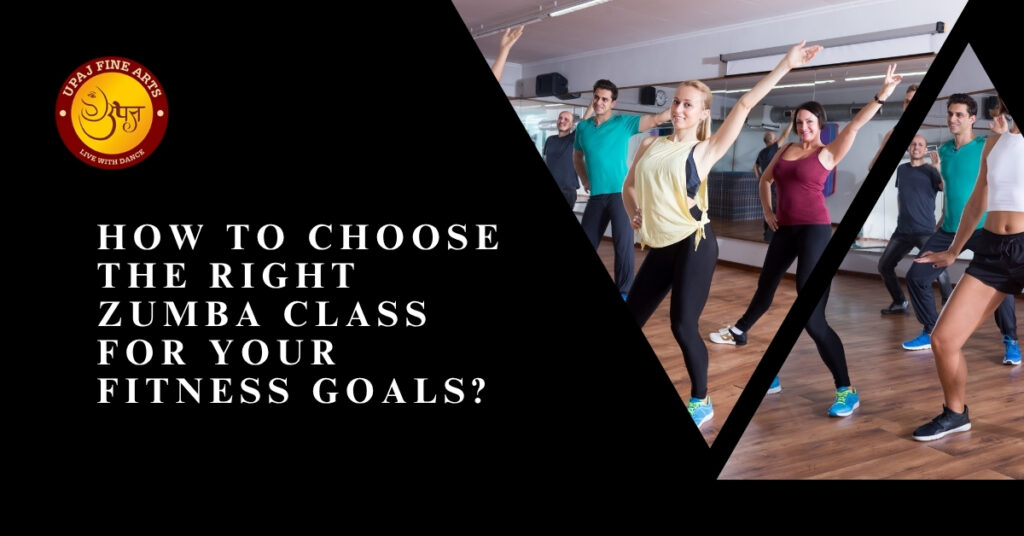
How to Choose the Right Zumba Class for Your Fitness Goals? Zumba is more than just a dance workout—it’s a fun, high-energy way to get fit, burn calories, and boost your mood. With so many types of Zumba classes available today, it can be tricky to decide which one suits your personal fitness goals. Whether you’re looking to lose weight, build stamina, tone your muscles, or simply enjoy a lively fitness experience, there’s a perfect Zumba class for you. Understand Your Fitness Goals First Before choosing a Zumba class, it’s essential to get clear on what you want to achieve. Are you trying to drop a few kilos, gain endurance, or just stay active with a fun routine? Different Zumba variations cater to different fitness outcomes. Here’s a quick breakdown of common goals: Weight Loss: You’ll want something high-intensity that gets your heart rate up. Toning and Sculpting: Look for classes that include strength-based elements or use equipment. Stress Relief and Fun: A beginner-friendly or rhythm-based class can do wonders. Endurance and Energy Boost: Opt for classes that challenge your stamina with longer, more dynamic sessions. Once you know your target, matching the class becomes much easier. Explore Different Types of Zumba Classes Not all Zumba classes are the same. There are several formats that combine dance with fitness in unique ways. Understanding each type will help you decide which one aligns with your goals: Zumba Fitness (Traditional): This is the most common type of Zumba and involves Latin-inspired dance moves combined with aerobic elements. It’s a great all-rounder if your goal is general fitness and calorie burning. Zumba Toning: If you’re looking to tone muscles and sculpt your body, this class adds light weights or toning sticks into the routine. You’ll still dance, but with an extra resistance training boost. Zumba Step: This class blends traditional Zumba choreography with step aerobics. It’s perfect for strengthening and shaping the lower body—great for those aiming for toned legs and glutes. Aqua Zumba: Ideal if you’re recovering from an injury or prefer a low-impact workout. Aqua Zumba takes place in the pool, combining water resistance with upbeat music for a joint-friendly fitness experience. Zumba Gold: Tailored for older adults or beginners who want a slower pace. It keeps all the joy of Zumba but with simpler moves and less intensity, making it a great choice for maintaining mobility and flexibility. Strong Nation (formerly Strong by Zumba): This is a high-intensity interval training (HIIT) workout synchronized to music. Unlike traditional Zumba, it’s not focused on dance, but instead on strength, stamina, and cardio endurance. Ideal for serious fitness goals. Zumba Kids: If you’re looking for a family-friendly option or want to involve your children in fitness, this one is specially designed for kids aged 4–12, with age-appropriate music and routines. Match Class Intensity With Your Fitness Level Zumba is designed for all fitness levels, but it’s still important to choose a class that matches your current capabilities. Beginners might feel overwhelmed jumping straight into an advanced Strong Nation class. If you’re new to exercise or haven’t danced before, start with a basic Zumba Fitness or Zumba Gold class. On the other hand, if you’re already quite active, you might find traditional Zumba too easy. In that case, challenge yourself with Strong Nation or Zumba Toning for a more intense workout. Consider Class Atmosphere and Instructor Style Every instructor brings their own vibe to the class. Some focus more on dance technique, while others lean into the cardio aspect. Some love high-energy pop tracks, others stick to Latin beats. Try a few trial classes or watch sample videos if available. Also, consider the atmosphere of the class. Do you prefer a large, lively group with party vibes? Or do you enjoy smaller, more intimate settings where the instructor gives personal attention? The right environment will keep you motivated and coming back for more. Think About Location and Schedule Practical factors like location and class timing can impact how consistent you are with your workouts. Look for a Zumba class that fits into your routine without making you feel stressed or rushed. Whether it’s a morning session before work or an evening escape, the best class is the one you can attend regularly. If attending in-person isn’t feasible, many certified Zumba instructors now offer online classes through Zoom or pre-recorded videos. This can be a convenient alternative, especially if you prefer working out at home. Ask About Trial Classes or Drop-Ins Many fitness centers and dance studios offer free or low-cost trial classes. This is a great way to test the waters before committing to a full package. Use this opportunity to evaluate the instructor, crowd, music, and overall energy. Don’t hesitate to ask questions before or after class. A good instructor will be happy to explain the format, help you modify moves, or guide you toward the right Zumba type for your body and goals. Don’t Be Afraid to Switch It Up Your fitness goals can change over time, and so can your class preferences. What starts as a fun cardio workout could evolve into a passion for strength training or dance performance. That’s the beauty of Zumba—it’s versatile, energizing, and always evolving. You’re not locked into one format forever. Feel free to try different styles as you grow stronger or your interests shift. The key is to keep moving, stay motivated, and enjoy the journey. Keep Moving Toward Your Goals with the Right Zumba Fit Choosing the right zumba fitness classes in Dubai is all about aligning your fitness journey with fun, movement, and motivation. Whether you’re stepping into your first class or switching things up to meet new goals, there’s a Zumba format that fits perfectly into your lifestyle. Explore your options, listen to your body, and let every beat bring you one step closer to a healthier, happier you. More than 2 results are available in the PRO version (This notice is only visible to admin users) Most Recent
Top 10 Health Benefits of Zumba That Can Improve Your Overall Wellness

Top 10 Health Benefits of Zumba That Can Improve Your Overall Wellness Zumba has taken the fitness world by storm with its energetic, fun-filled workout routines. Combining Latin and international music with easy-to-follow dance steps, Zumba has transformed traditional exercise into an exciting experience. Whether you’re a beginner or a seasoned fitness enthusiast, Zumba is a workout that can benefit anyone. In this blog, we’ll explore the top 10 health benefits of Zumba and how it can enhance your overall wellness. 1. Burns Calories and Aids in Weight Loss One of the most obvious benefits of Zumba is its ability to help with weight loss. Due to its high-energy nature, Zumba is a great way to burn calories. In a typical 60-minute Zumba session, you can burn anywhere from 400 to 600 calories, depending on the intensity of the moves and your body weight. Regular participation in Zumba classes, combined with a healthy diet, can help you shed unwanted pounds and maintain a healthy weight. 2. Boosts Cardiovascular Health Zumba is a cardiovascular workout that involves fast-paced, heart-pumping dance moves. It gets your heart rate up, improving your heart health and helping to lower your risk of heart disease. Studies have shown that aerobic exercises, like Zumba, can reduce blood pressure, improve circulation, and increase your heart’s efficiency. Regular participation can help you build endurance, making everyday activities feel less tiring. 3. Improves Coordination and Balance Zumba isn’t just about dancing; it’s also about improving your body’s coordination. The combination of rhythmic movements and footwork requires balance and control. Over time, this helps improve your motor skills, coordination, and spatial awareness. Better balance is essential, especially as we age, as it can reduce the risk of falls and injuries. 4. Boosts Mental Health and Reduces Stress Exercise, especially dance, is a fantastic way to combat stress, and Zumba is no exception. When you engage in Zumba, your body releases endorphins, also known as “feel-good” hormones. These endorphins are natural mood boosters, helping you to combat anxiety and depression. The joy of dancing to upbeat music can also provide a mental escape from the stresses of everyday life, promoting relaxation and emotional well-being. 5. Increases Strength and Endurance Zumba is a full-body workout that helps build muscle strength and improve endurance. While many of the movements target the core, legs, and arms, the constant motion throughout a Zumba class works your entire body. This helps tone muscles and increase stamina, making you stronger both physically and mentally. The more you practice Zumba, the more you will notice improvements in your strength and overall fitness level. 6. Enhances Flexibility Flexibility plays a key role in overall health, and Zumba can help improve it. During a typical class, you’ll engage in a variety of movements, including stretching, reaching, and bending. These movements stretch and lengthen your muscles, which helps improve flexibility. Increased flexibility can also reduce the risk of injury and alleviate muscle tension, leaving you feeling more agile and relaxed. 7. Promotes Social Interaction and Builds Community Zumba classes are often group-based, and this creates a fun and supportive environment. Socializing while exercising makes the workout feel less like a chore and more like a fun activity. Participating in group Zumba classes gives you the opportunity to meet new people, make friends, and become part of a fitness community. Having a social aspect to your fitness routine is a powerful motivator that keeps you coming back for more. 8. Improves Posture Zumba emphasizes strong core engagement, which is essential for good posture. By regularly participating in Zumba, you’ll become more aware of your posture, especially as you practice movements that require you to stand tall and engage your core. Improved posture not only helps you look more confident but also reduces strain on your spine and muscles, lowering the risk of back and neck pain. 9. Enhances Cognitive Function Studies have shown that physical exercise, particularly dance, has cognitive benefits, and Zumba is no different. The mental challenge of learning new dance routines, remembering choreography, and coordinating your body to the rhythm of the music boosts brain function. The combination of physical movement and mental effort can help improve memory, focus, and overall brain health. In fact, engaging in dance routines has been linked to a decreased risk of cognitive decline as we age. 10. It’s Fun and Motivating Zumba’s most attractive quality is that it’s fun! Traditional workouts can sometimes feel repetitive and boring, but Zumba offers variety with its wide range of music and dance styles. The upbeat rhythms of Latin, pop, and international music make every class feel like a party. This makes it easier to stick to your fitness routine because you’ll look forward to each session. The more fun you have, the more motivated you will be to continue working out, which leads to better long-term health outcomes. Start Your Zumba Journey and Reap the Health Benefits Zumba is an incredibly effective and enjoyable workout that offers a wide range of health benefits. From burning calories and improving cardiovascular health to boosting your mood and building strength, Zumba is a full-body workout that can significantly enhance your overall wellness. Whether you’re looking to lose weight, gain flexibility, or simply have fun, Zumba provides an all-encompassing workout experience that’s suitable for all ages and fitness levels. So, put on your dancing shoes, turn up the music, and start enjoying the amazing benefits Zumba has to offer! Looking for the best zumba classes near Sharjah, Dubai? You can find top-rated Zumba studios and classes across the city that will guide you through this fun and effective workout! By making Zumba a regular part of your fitness routine, you can reap these health benefits while also improving your mental and emotional well-being. Join a class today and start dancing your way to a healthier, happier you! More than 2 results are available in the PRO version (This notice is only visible to admin users) Most Recent Posts All Posts
Celebrate International Dance Day 2025: Unity Through Dance
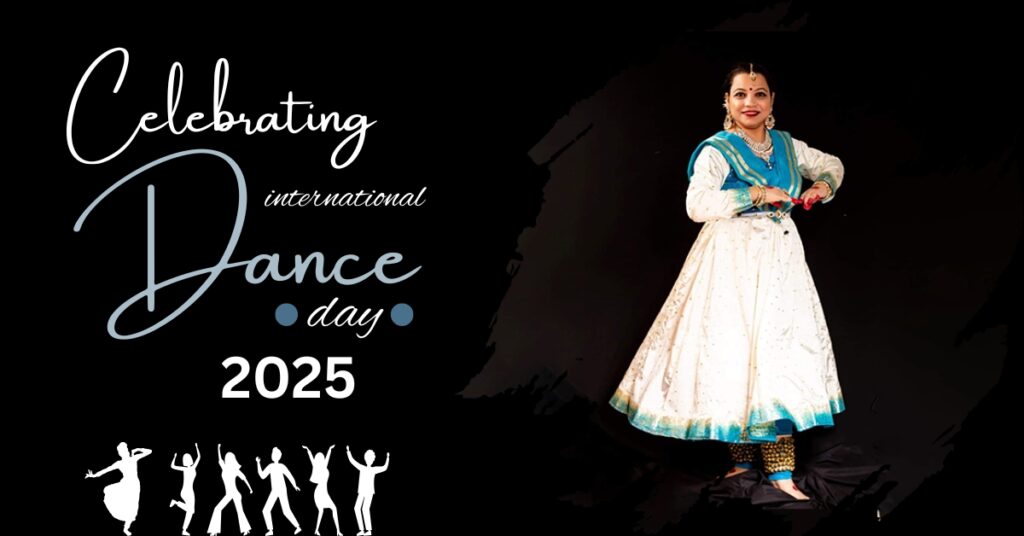
Celebrating the Universal Language of Movement: International Dance Day 2025 As the vibrant hues of spring paint the world anew, April 29th arrives, heralding a day dedicated to the art form that transcends boundaries, speaks volumes without uttering a word, and ignites joy in hearts across the globe: International Dance Day. In 2025, this annual celebration, initiated by the Dance Committee of the International Theatre Institute (ITI), a UNESCO partner, takes on a special resonance, reminding us of the profound impact dance has on our individual lives and collective human experience. What Is International Dance Day? International Dance Day was introduced in 1982 by the International Theatre Institute (ITI), the main partner for the performing arts of UNESCO. The date commemorates the birthday of Jean-Georges Noverre, a French dancer and ballet master regarded as the creator of modern ballet. The Profound Benefits for Mind and Body Dance isn’t just an art form — it’s a full-body workout and a mental therapy session rolled into one. Here’s how dancing can transform your overall well-being: 1. Boosts Mental Health Dancing releases endorphins, often referred to as happy hormones. It reduces symptoms of anxiety, depression, and stress by helping the brain shift focus to positive physical movement and rhythm. 2. Improves Cognitive Function Learning new choreography challenges the brain, enhancing memory, coordination, and focus. Studies show that regular dancing can help reduce the risk of dementia in older adults. 3. Strengthens the Heart Dance routines often involve cardiovascular activity that increases heart rate, improves circulation, and contributes to better heart health — just like jogging or cycling. 4. Builds Strength and Flexibility Whether you’re practicing ballet or breakdancing, dance works your muscles in ways that increase core strength, balance, and flexibility, reducing the risk of injury and improving posture. 5. Enhances Emotional Expression Sometimes, what we can’t say with words, we say through movement. Dance allows people to express emotions, release tension, and build deeper self-awareness. 6. Encourages Social Connection Group dance sessions create a sense of community and belonging, helping to combat loneliness and foster friendships through shared rhythm and goals. How to Celebrate International Dance Day 2025? Here are some fun and meaningful ways to join the global celebration: 1. Join a Dance Class Try something new! Whether it’s hip-hop, tango, or classical Indian dance — explore a different style and connect with a new culture. If you’re passionate about classical dance, don’t miss out on the, best kathak dance classes in Dubai, where you can dive deep into the rich heritage and intricate rhythms of this mesmerizing art form. 2. Watch a Dance Performance Attend a local performance or stream international dance shows online. Support artists who pour their soul into the art of movement. 3. Dance Challenge on Social Media Take part in a viral dance challenge and tag your friends. Use hashtags like #InternationalDanceDay, #IDD2025, and #DanceForUnity. 4. Organize a Dance Flash Mob Spread joy in your city by organizing or participating in a flash mob in public spaces. 5. Educate and Share Post about the history of dance forms, iconic dancers, or your personal dance journey. Spread awareness and appreciation. Dance: The Universal Language That Unites Us All Dance is the heartbeat of humanity. It bridges cultures, heals hearts, and gives voice to the unspoken. On International Dance Day 2025, take a moment to move — not for perfection, but for passion. Let your rhythm shine and your steps speak volumes. Whether you’re just starting or a seasoned dancer, there’s always a space for you to grow. Experience the magic of dance at Upaj Academy, the best dance, music, and art academy in Dubai, where creativity, dedication, and passion come together to create unforgettable performances. Join us and let your dance journey begin. More than 2 results are available in the PRO version (This notice is only visible to admin users) Most Recent Posts All Posts Blog kathak Zumba Celebrate International Dance Day 2025: Unity Through Dance Zumba for Beginners: A Fun & Easy Guide to Start Your Fitness Top Reasons Why You Should Warm Up Before Dancing Category Blog (11) kathak (11) Zumba (2) Explore Our Services Join our fun and engaging dance, music, and art classes for all ages! Explore More
Zumba for Beginners: A Fun & Easy Guide to Start Your Fitness

Zumba for Beginners: A Fun & Easy Guide to Start Your Fitness Zumba has become one of the most popular fitness trends in recent years, attracting people from all walks of life. If you’re new to the world of fitness or just looking for a fun and engaging way to stay in shape, Zumba is an excellent option to consider. It’s a dance-inspired workout that combines high-energy music with easy-to-follow choreography, making it accessible for people of all fitness levels. In this blog, we’ll explore what Zumba is, its benefits, and some tips to get started, especially if you’re a beginner. So, put on your dancing shoes, turn up the music, and let’s dive in! What is Zumba? Zumba is a high-energy workout that fuses Latin and international music with dance moves. Created in the 1990s by Colombian dancer and choreographer Alberto “Beto” Pérez, Zumba quickly gained popularity for its fun, party-like atmosphere. It’s a full-body workout that targets multiple muscle groups through dance routines set to upbeat music. The best part? You don’t need to be a professional dancer to enjoy it—just let loose and follow along! The moves are simple and easy to follow, making it a great choice for beginners. Zumba classes typically involve a warm-up, a series of dance routines, and a cool-down, all designed to help you improve your cardio fitness, strength, and flexibility. Why Zumba is Great for Beginners Zumba offers several advantages, particularly for beginners: 1. It’s Fun One of the main reasons Zumba is so popular is that it’s incredibly fun. The upbeat music and energetic dance routines make it feel less like a workout and more like a party. The excitement of moving to the music can keep you motivated, making it easier to stick with your fitness routine. 2. Simple and Easy to Follow Zumba choreography is designed to be simple and accessible. While the moves may seem fast and challenging at first, they are usually repeated throughout the class, which allows beginners to catch on quickly. You don’t need to be a skilled dancer to join in—just follow the instructor and have fun! 3. Cardio Benefits Zumba is primarily a cardiovascular workout, which helps increase your heart rate and improve your overall cardiovascular health. The constant movement and varied intensity levels are great for building endurance and stamina, making Zumba an excellent option for those looking to improve their fitness levels. 4. Calorie Burn Because of its high-energy nature, Zumba is an effective way to burn calories. On average, you can burn anywhere from 400 to 600 calories per hour, depending on the intensity of the session. This makes it a fantastic workout for those looking to lose weight or maintain a healthy weight. 5. It’s Social Zumba classes often have a community feel, with participants working out together and supporting each other. The social aspect of Zumba can help you stay motivated and committed to your fitness journey. 6. Accessibility Zumba is suitable for people of all fitness levels and ages. Whether you’re a young adult or a senior, you can modify the intensity of the workout to match your fitness level. It’s also a great way for people with different abilities to get active and enjoy moving. What You Need to Get Started with Zumba? If you’re a beginner and want to try Zumba, here’s what you’ll need to get started: 1. Comfortable Clothing Wear comfortable workout clothes that allow you to move freely. Opt for breathable fabrics like cotton or moisture-wicking materials to keep you cool during the workout. 2. Supportive Footwear Zumba involves a lot of lateral movements, so it’s important to wear shoes that provide adequate support and cushioning. Dance sneakers or cross-trainers are a good option, as they offer the necessary grip and stability. 3. A Water Bottle Zumba can be intense, so it’s important to stay hydrated throughout the class. Bring a water bottle to sip on during breaks. 4. Positive Attitude The most important thing you need is a positive attitude. Don’t be intimidated by the fast pace or complex moves at first—remember, everyone was a beginner once, and Zumba is all about having fun and enjoying the music. Tips for Zumba Beginners If you’re new to Zumba, it can be a bit overwhelming at first. But don’t worry—here are some tips to help you ease into your Zumba journey: 1. Start with Beginner Classes If you’re new to Zumba, it’s best to start with a beginner-friendly class. These classes are usually slower-paced and focus on teaching the basic moves and techniques. Once you get the hang of the basics, you can move on to more advanced classes. For those in Dubai, check out the best zumba classes in Dubai to kickstart your fitness journey! 2. Don’t Worry About Perfect Moves Zumba is not about perfection—it’s about having fun and moving to the music. Don’t stress if you can’t keep up with every move or if you get a step wrong. Just keep moving, and remember that it’s all part of the learning process. 3. Listen to the Music Zumba is all about rhythm, so try to focus on the beat of the music. Let the rhythm guide your movements, and don’t be afraid to let loose and enjoy the music. 4. Stay Consistent Like any fitness routine, consistency is key to seeing results. Try to attend Zumba classes regularly to build your stamina and improve your skills. Aim for at least two to three classes a week for the best results. 5. Warm-Up and Cool Down Be sure to take the time to warm-up before your class and cool down afterward. A proper warm-up helps prevent injury and prepares your body for the workout, while cooling down helps relax your muscles and prevent soreness. 6. Modify as Needed If any of the moves feel too difficult, don’t hesitate to modify them to suit your fitness level. Zumba is meant to be adaptable, so listen to your body and make adjustments as
Top Reasons Why You Should Warm Up Before Dancing

Top Reasons Why You Should Warm Up Before Dancing? Dancing is not only an art form but also a physical activity that demands agility, strength, and endurance. Whether you’re preparing for a dance performance or simply taking a fun class, warming up before dancing is crucial. Many dancers, especially beginners or those in a rush, may skip this step. However, skipping warm-ups can result in injury and hinder your dance performance. In this blog, we’ll dive deep into why warming up before dancing is essential and the top benefits it offers. 1. Prevents Injuries One of the most important reasons to warm up before dancing is injury prevention. Dance involves quick and sudden movements that can put a strain on your muscles, ligaments, and joints. Without proper warm-up exercises, your body is more likely to suffer strains, sprains, or even more severe injuries such as tendonitis or muscle tears. A good warm-up gradually increases your heart rate and blood circulation, which helps to loosen your muscles and joints, making them more flexible and less prone to injury. For example, warming up with dynamic stretches, such as leg swings or arm circles, activates the muscle groups you’ll be using during your dance routine, allowing for smoother, safer movements. 2. Improves Flexibility and Range of Motion Dancing often requires a wide range of motion, especially for movements like high kicks, turns, and jumps. A warm-up helps improve flexibility and joint mobility, allowing your body to perform these challenging moves more effectively. Without adequate flexibility, you may find yourself limiting your dance abilities or, worse, injuring yourself in the process. Dynamic stretching exercises, such as lunges, hip rotations, and torso twists, can increase your range of motion and improve your body’s overall flexibility. This gives you the freedom to perform complex and graceful dance moves without feeling stiff or restricted. The more flexible your muscles and joints are, the more fluid your movements will become. 3. Enhances Performance A good warm-up also helps mentally prepare you for your dance session. Much like athletes prepare for a game or competition, dancers need to mentally gear up for their performance. Warming up stimulates your mind by focusing on the movements you’ll be performing. This gives you the confidence to execute complex steps and routines without hesitation. When your muscles are properly warmed up, they’re more efficient in their movements, allowing you to perform at your best. The increased blood flow to your muscles means that your body can execute dance moves with greater precision, control, and energy. A warm-up boosts endurance, allowing you to maintain high levels of energy throughout your practice or performance. 4. Increases Blood Flow to Muscles Before engaging in intense physical activity, it’s essential to get the blood flowing to your muscles. This is because muscles need oxygen-rich blood to function properly, and warming up promotes increased circulation throughout your body. The warm-up phase gradually raises your heart rate and increases blood flow to your muscles, making them more pliable and prepared for movement. As blood flow increases, so does the delivery of essential nutrients and oxygen to your muscles, which boosts their performance. This helps prevent muscle fatigue and stiffness, allowing you to dance for longer periods without tiring quickly. 5. Improves Mental Focus Warming up before dancing isn’t just a physical preparation; it’s also a mental one. The process of warming up allows you to focus on the movements and the rhythm of your body, sharpening your concentration. This is especially important for dancers who need to remember complex choreography or synchronize with a group. By starting with a warm-up, you allow your brain to switch gears and focus entirely on your performance. It helps reduce anxiety and stress, enabling you to approach your dance practice or performance with a positive, clear mindset. A mental warm-up, combined with physical preparation, results in improved coordination, timing, and execution of dance steps. 6. Activates Core Muscles for Stability Many dance forms require strong core engagement for stability and balance. Whether you’re performing contemporary dance, ballet, or hip-hop, a strong core is essential for controlling movements and maintaining proper posture. Warming up activates and engages the core muscles, ensuring that you have the strength and stability needed for complex dance moves. Core activation exercises, such as planks, bridges, or simple twisting motions, engage muscles like your abs, lower back, and obliques. Activating these muscles before you start dancing ensures that your body is stable and controlled during demanding movements like turns, jumps, and quick shifts in weight. A well-activated core will also enhance your overall posture, which is crucial for clean, professional-looking dance routines. 7. Boosts Your Energy and Motivation A proper warm-up not only prepares your body but also boosts your motivation and enthusiasm for dancing. It’s a transition from a sedentary state to an active one, signaling to your brain that it’s time to engage in movement and creativity. This helps elevate your mood and increases your energy levels, setting a positive tone for your entire dance practice or performance.When you feel energized and ready to go, your dance session becomes more enjoyable, productive, and rewarding. The right warm-up routine can help shake off any feelings of lethargy or nervousness, so you can give your best performance without hesitation. 8. Promotes Better Posture Posture plays a significant role in dancing, as proper alignment ensures that movements are graceful and controlled. A good warm-up can help promote better posture by activating key muscles that support your spine and pelvis. When your body is properly warmed up, you’ll find it easier to maintain an upright, strong posture during your dance routine. Additionally, warming up can help you become more aware of your body’s alignment, which is especially helpful for beginners or dancers trying to perfect their technique. Good posture not only enhances your performance but also prevents long-term wear and tear on your body. 9. Helps With Coordination and Balance Dance is all about coordination and balance. Warming up activates your
