Importance of Hand Gestures in Kathak

Importance of Hand Gestures in Kathak Kathak, one of the eight Indian classical dance forms, is celebrated for its storytelling, rhythm, and grace. But beyond the dazzling footwork and swift pirouettes lies a subtle and powerful element of hand gestures, known as mudras. These gestures form the foundation of Kathak’s expressive storytelling and connect the dancer’s inner world to the audience. This blog explores the profound role of hand gestures in Kathak, their types, meanings, spiritual importance, and how they continue to enrich performances in both traditional and modern settings. What Are Hand Gestures in Kathak? In Kathak, hand gestures are symbolic movements used to convey emotions, depict objects or characters, and narrate entire stories. These gestures are drawn from the Natya Shastra, an ancient Sanskrit text on performing arts, and are classified into two main categories: Asamyukta Hastas – Single-Hand Gestures These involve one hand and represent simple objects or ideas. Examples include: Pataka – A flat hand symbolizing clouds, rivers, or blessings Tripataka – A hand with the ring finger bent, used to show a crown or flame Kartarimukha – A “scissors” shape that indicates separation or lightning Samyukta Hastas – Double-Hand Gestures These involve both hands and express more complex visuals or feelings: Anjali – Palms joined together in salutation Swastika – Crossed wrists for symbolizing union or auspiciousness Karkata – Fingers interlocked to show pulling or gathering These mudras serve as visual language, transforming abstract dance movements into emotional and spiritual storytelling. Why Are Hand Gestures Important in Kathak? 1. They Bring Stories to Life Kathak is a narrative dance. Whether depicting tales from the Ramayana, Mahabharata, or Krishna Leela, the dancer uses mudras to portray characters and actions clearly. A single performance may involve multiple roles—and it’s the hand gestures that help the audience distinguish them. 2. They Express Emotions Deeply Facial expressions and body language may show general mood, but gestures fine-tune the emotion. The same glance becomes love when paired with a lotus mudra, or sorrow with a hand wiping an imaginary tear. 3. They Communicate Without Words Mudras allow the dancer to connect with the audience without speaking. This non-verbal communication breaks language barriers and makes Kathak universally understandable. 4. They Preserve Tradition and Meaning Each gesture has a story. By learning them, dancers preserve the wisdom and symbolism of classical Indian culture. If you’re eager to dive into this expressive language of dance, enrolling in one of the best kathak classes in Dubai can provide expert guidance and a strong foundation in traditional mudras. The Role of Mudras in Expressive Dance (Nrittya) In Kathak, expressive dance or nrittya combines rhythm with expression. While nritta (pure dance) focuses on technique and footwork, nrittya uses hand gestures and facial expressions to tell stories. In sequences like gat bhava or abhinaya, gestures become especially important. For example: Krishna’s flute is shown using mriga shirsha Radha’s bashfulness with kataka mukha A blooming flower with alapadma These gestures, when combined with eye movements and facial expressions, create deeply engaging visual poetry. Learning Mudras: Practice, Precision, and Passion 1. Rigorous Training Mastering hand gestures in Kathak requires careful training. Students learn each mudra’s exact position, its meanings, and how to pair it with expressions and rhythm. 2. Understanding the Symbolism Mudras are not just technical movements, they carry emotion, mythology, and energy. Teachers ensure that students not only perform mudras correctly but understand what they symbolize. 3. Precision in Execution A single misplaced finger can change the meaning of a mudra. Precision is vital. The posture of fingers, angle of the wrist, and fluidity of transition all play a role in authentic expression. Modern Relevance of Hand Gestures in Kathak In today’s era of digital performances and creative choreography, hand gestures still hold their place. Modern Kathak compositions may blend contemporary themes with classical vocabulary, using mudras to: Represent environmental issues (e.g., pataka for flowing water) Express modern emotions (e.g., anxiety, joy, solitude) Enhance storytelling across cultures and platforms Mudras evolve while staying rooted in tradition, making Kathak timeless and adaptable. The Spiritual Connection: Mudras as Meditation 1. Dance as Devotion In devotional Kathak performances, especially bhakti pieces dedicated to Lord Krishna or Shiva, mudras act as spiritual offerings. Joining the hands in anjali hasta isn’t just a greeting, it’s a prayer. 2. Symbolism and Inner Awareness Some mudras, like chin mudra or abhaya hasta, are used in yogic practices as well. Their presence in Kathak elevates the performance from art to spiritual experience. 3. Energy Flow and Emotional Healing When executed with mindfulness, hand gestures help circulate energy through the body. This has both emotional and physical benefits, making dance a healing art. Common Challenges in Mastering Mudras 1. Physical Stiffness Flexibility in the fingers and wrists is essential. Without it, gestures may appear rigid or unclear. 2. Lack of Meaning Many dancers struggle with performing gestures mechanically without connecting to their meaning. Teachers emphasize internalization over imitation. 3. Misuse in Commercial Performances In some modern or semi-classical performances, gestures are altered or used out of context. Preserving the authentic vocabulary of mudras is key to honoring Kathak’s legacy. Engaging the Audience Through Hand Gestures 1. Making Stories Accessible By using clear and expressive hand gestures, dancers help audiences (even those unfamiliar with Indian mythology) understand the performance. 2. Visual Impact Mudras enhance the visual rhythm of Kathak, drawing attention to the dancer’s upper body and complementing intricate footwork. 3. Universal Language of Emotions Love, pain, devotion, and joy these are universally understood when expressed through well-executed gestures. Let Your Hands Speak the Soul of Kathak! Kathak is a dialogue between the dancer and the divine, and hand gestures are the words of that language. They elevate movement into meaning, rhythm into ritual, and performance into prayer. For students, understanding mudras is non-negotiable. For performers, it’s a pathway to deeper expression. And for audiences, it’s a chance to witness a story told not just through feet and music—but through hands that carry centuries of heritage. So
Top 10 Must-Know Tatkars (Footwork Patterns) in Kathak

Top 10 Must-Know Tatkars (Footwork Patterns) in Kathak Kathak, one of the eight classical dance forms of India, is renowned for its intricate footwork or Tatkar. The rhythmic tapping of the feet in perfect synchronization with the tabla or pakhawaj creates a mesmerizing musical experience. For every Kathak dancer, mastering the Tatkar is foundational. Whether you’re a beginner or an advanced performer, learning and practicing the essential Tatkars polishes your timing, coordination, and expression. In this blog, we’ll explore the top 10 must-know Tatkars in Kathak, their structure, and significance in performance and practice. These are crucial for any student learning Kathak, especially those enrolled in professional training programs or preparing for stage performances. What Is Tatkar in Kathak? Tatkar refers to the basic footwork patterns executed in different rhythmic cycles (taals). Dancers wear ghungroos (ankle bells), and every sound produced through the feet resonates with musical syllables called bols. The core components of Tatkar include Ta Thei Thei Tat, the foundational phrase that is varied and expanded into complex rhythmic compositions. Tatkars are taught in various taals such as Teentaal (16 beats), Jhaptaal (10 beats), Ektaal (12 beats), and Dadra (6 beats), each having its own characteristic flow. 1. Basic Tatkar – Ta Thei Thei Tat This is the very first Tatkar every Kathak student learns. It typically follows an 8-beat or 16-beat cycle and introduces the dancer to basic stamping techniques and weight transfer. The syllables are: Ta Thei Thei Tat | Aa Thei Thei Tat It helps in establishing balance, learning right and left alternation, and setting the groundwork for more advanced patterns. 2. Teentaal Tatkar (16 Matras) Teentaal is the most commonly used taal in Kathak, consisting of 16 beats divided into 4 equal vibhags. The Tatkar in Teentaal often expands the basic pattern into longer sequences: Ta Thei Thei Tat | Aa Thei Thei Tat | Ta Thei Thei Tat | Aa Thei Thei Tat This is practiced with increasing speed (laykari)—Vilambit, Madhya, and Drut—to develop control and stamina. 3. Jhaptaal Tatkar (10 Matras) Jhaptaal has an asymmetrical structure: 2-3-2-3 beat pattern. Practicing Tatkar in Jhaptaal trains the dancer’s rhythmic precision and internal counting. It typically looks like: Ta Thei Thei Tat | Aa Thei Thei Tat | Ta Thei Thei Tat | Tat This introduces a different feeling of rhythm and is often used in nritta pieces. 4. Ektaal Tatkar (12 Matras) Ektaal has a symmetrical six-part division and requires solid grounding in rhythm. It is more complex and used in elaborate footwork compositions. The Tatkar phrases often flow as: Ta Thei Thei Tat | Aa Thei Thei Tat | Ta Thei Thei Tat Practicing Ektaal Tatkar refines breath control and energy modulation with foot movements. 5. Dadra Tatkar (6 Matras) This 6-beat taal is often seen in lighter Kathak compositions or thumris. The Tatkar in Dadra is performed with elegance and softness, making it ideal for expressive storytelling through footwork. Ta Thei Thei Tat | Thei Thei Tat This Tatkar is essential for building subtlety and grace in execution. 6. Chakkardar Tatkar Chakkardar Tatkar is a rhythmic phrase that is repeated three times to conclude on the sam (first beat). It is one of the most exciting elements in Kathak performances. For example: Ta Thei Thei Tat | Ta Thei Thei Tat | Ta Thei Thei Tat The challenge is not just in repetition, but in perfectly aligning the third cycle to end on the sam. This tests the dancer’s control and timing. 7. Tishra Jati Tatkar Tishra Jati means grouping of three. In Tishra Tatkar, the beats are divided in triplets. This brings a new feel to the rhythm and enhances your ability to switch between different gatis (speeds). Ta Thei Thei | Tat Ta Thei | Thei Tat Tat Practicing Tishra Tatkar builds rhythmic agility and prepares dancers for fusion compositions. 8. Khand Jati Tatkar Khand Jati refers to a quintuple rhythm pattern. It’s often used to challenge the dancer’s sense of mathematical timing and foot precision. A common Khand Tatkar may follow 5-beat groupings: Ta Thei Thei Tat | Thei Tat Ta It develops awareness of uneven beat cycles and helps prepare for creative choreographies. 9. Amad Tatkar Amad is an introductory composition typically seen at the beginning of a Kathak performance. It uses Tatkar in a stylized manner, adding graceful arm and body movements. The bol patterns may remain the same as basic Tatkar but are performed with regal elegance. Ta Thei Thei Tat | Aa Thei Thei Tat | Ta Thei Thei Tat | Aa Thei Thei Tat This Tatkar is performed in slow or medium tempo to highlight the dancer’s command over posture and rhythm. 10. Paran Tatkar Paran Tatkars involve rhythmic phrases borrowed from pakhawaj and are complex in nature. These are usually performed with strong, forceful stamping and dramatic pauses. Dha Ta Kita | Takita Dha | Dha Thei Thei Tat This Tatkar is advanced and often part of high-energy stage performances. It helps a dancer showcase power, technique, and rhythmic interpretation. Why These Tatkars Matter in Your Kathak Journey? Whether you’re aiming to perform professionally or just learning for personal enrichment, these 10 Tatkars form the backbone of every Kathak dancer’s skillset. They enhance your musical understanding, develop stamina, and give you the versatility needed for solo and group performances. More importantly, practicing these Tatkars teaches patience, discipline, and mindfulness through rhythmic movement. If you’re ready to take your Kathak journey to the next level, consider joining the best kathak classes near Discovery Gardens, Dubai. Learning under a trained guru in a structured environment will give you the right guidance, correction, and inspiration to evolve as a confident dancer. More than 2 results are available in the PRO version (This notice is only visible to admin users) Most Recent Posts All Posts Blog Bollywood kathak Zumba Top 10 Must-Know Tatkars (Footwork Patterns) in Kathak Zumba vs Aerobics: Which Workout Fits You Best? Traditional Costumes and Jewelry in Kathak Dance Category Blog (21) Bollywood (3) kathak (16)
Zumba vs Aerobics: Which Workout Fits You Best?

Zumba vs Aerobics: Key Differences, Benefits, and Which is Right for You? If you’ve been thinking of joining a group fitness class but can’t decide between Zumba and aerobics, you’re not alone. Both workouts are fun, energetic, and great for burning calories, but they have unique styles and benefits that suit different personalities and goals. Let’s break down the difference between Zumba and aerobics, explore their health benefits, and help you choose the right one for your fitness journey. What is Zumba? Zumba is a dance-based workout inspired by Latin American music and rhythms like salsa, merengue, reggaeton, and cumbia. Created by Colombian dancer and choreographer Alberto “Beto” Perez in the 1990s, Zumba turns exercise into a dance party. Classes typically last 45–60 minutes and combine fast and slow rhythms to keep your heart rate up while targeting different muscle groups. The beauty of Zumba is that you don’t need to be a dancer. The steps are easy to follow, and the emphasis is on moving to the beat rather than perfecting choreography. This makes it a popular choice for people who want to enjoy themselves while working out. In fact, many say they forget they’re even exercising because the music and energy keep them so engaged. What is Aerobics? Aerobics, sometimes called aerobic dance, is a structured form of cardiovascular exercise designed to improve heart and lung health, endurance, and coordination. Aerobics classes usually feature choreographed routines that include a mix of low-impact and high-impact moves like knee lifts, kicks, side steps, jumping jacks, and grapevines. These routines are set to energetic music and often include sections for warm-up, cardio, strength, and cool-down. Unlike Zumba, traditional aerobics has a more fitness-focused approach rather than a dance-party feel. While it can still be fun, the emphasis is typically on maintaining the correct posture, following specific steps, and keeping your heart rate in the target zone. It’s a classic workout style that has stood the test of time since it became popular in the 1980s. Zumba vs Aerobics: Key Differences While both Zumba and aerobics provide a fantastic cardio workout, the experience and focus of each class are different. Style and Atmosphere: Zumba classes feel like a dance party, thanks to lively Latin and international music. The atmosphere is relaxed, social, and playful. Aerobics classes, on the other hand, feel more structured with clearly defined routines and fitness cues. Choreography: In Zumba, choreography is built around songs, and the moves repeat, making it easier for beginners to catch on. Aerobics routines often mix several different moves and can change quickly, so they may require more concentration to keep up. Music: Music is at the heart of Zumba. It’s what drives the moves and energy. Aerobics classes also use upbeat tracks, but the music usually serves as background to guide tempo rather than being central to the routine. Fitness Goals: Both help burn calories and improve cardiovascular health, but Zumba is especially good for improving rhythm, coordination, and mood. Aerobics often includes strength training segments (like using hand weights or resistance bands) for muscle toning. Calorie Burn: Both can burn a lot of calories—typically between 400–600 calories per hour depending on intensity and your body weight. Some people find they work harder in Zumba because they enjoy it more and get lost in the music. Benefits of Zumba Fun and Motivation: Zumba feels less like exercise and more like a dance party, which helps people stick with it long-term. Stress Relief: Moving to music can boost endorphins, reducing stress and improving your mood. Full-Body Workout: Zumba routines use your legs, arms, and core, offering a total-body workout. Suitable for All Levels: Since the focus is on keeping moving rather than perfecting moves, beginners and experienced dancers alike can benefit. Benefits of Aerobics Improves Cardio Fitness: Consistent aerobic training strengthens your heart and lungs. Builds Coordination: Following choreographed routines helps improve balance and motor skills. Muscle Toning: Many aerobics classes include light strength training, targeting your arms, legs, and abs. Structured Format: Some people prefer the clear routine and instructor cues in aerobics classes. Which One Should You Choose? The best workout for you depends on your personality and fitness goals. If you love dancing, music, and a social environment, Zumba might be perfect. It’s ideal for those who want a workout that feels like fun rather than exercise. If you prefer a structured routine with clear instructions, love classic fitness moves, or want to mix cardio and strength, aerobics could be a better fit. Of course, you don’t have to choose just one. Many people combine Zumba and aerobics classes during the week to keep things fresh and target different fitness goals. Tips to Get Started Try a Class: Most studios and gyms offer trial classes. Test both Zumba and aerobics to see which you enjoy. Wear Proper Gear: Comfortable workout clothes and supportive shoes are important, especially for moves that involve jumping or quick turns. Start at Your Level: Don’t worry if you can’t keep up at first. Fitness classes are about progress, not perfection. Stay Hydrated: Both workouts can make you sweat, so drink water before and after class. Finding the Perfect Workout for You Both Zumba and aerobics can transform your fitness routine with energy, fun, and health benefits. Whether you’re drawn to the dance-party feel of Zumba or the structured moves of aerobics, the right choice is the one you’ll enjoy and stick with. If you’re ready to start your journey, check out the best zumba classes near Al Furjan, Dubai and see how dance-inspired workouts can make fitness something you truly love. Get AI Insights on This Post: CHat – gpt Perplexity Google AI Grok More than 2 results are available in the PRO version (This notice is only visible to admin users) Most Recent Posts All Posts Blog Bollywood kathak Zumba Top 10 Must-Know Tatkars (Footwork Patterns) in Kathak Zumba vs Aerobics: Which Workout Fits You Best? Traditional Costumes and Jewelry in Kathak Dance Category
Traditional Costumes and Jewelry in Kathak Dance
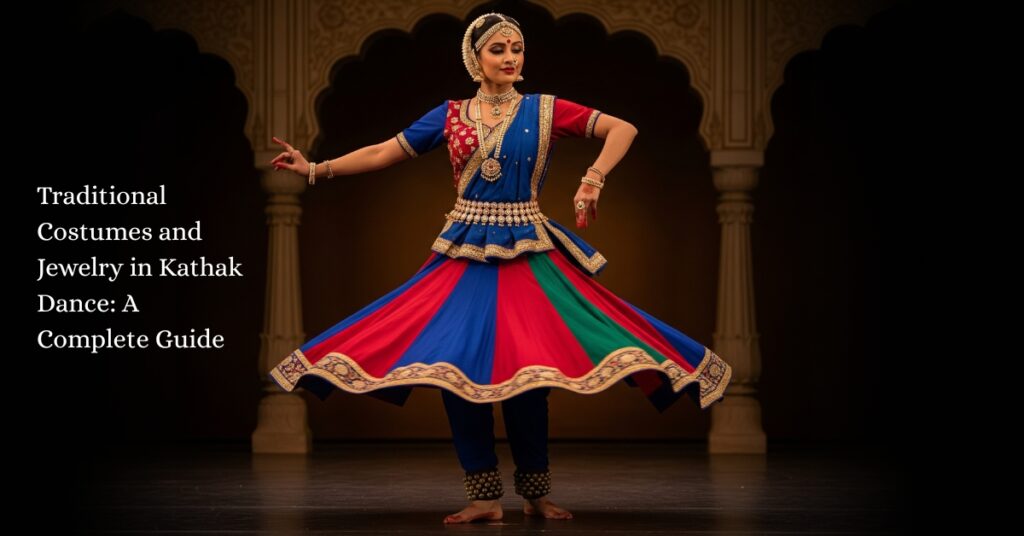
Traditional Costumes and Jewelry in Kathak Dance: A Complete Guide Kathak, one of the eight classical dance forms of India, is celebrated for its intricate footwork, graceful spins, and expressive storytelling. Yet, beyond its mesmerizing movements, what often captivates audiences worldwide is the exquisite traditional attire and jewelry that complete the performance. Costumes and ornaments in Kathak are not just decorative they are deeply symbolic, rooted in centuries of cultural evolution, and essential to the dance’s visual poetry. In this guide, we’ll explore the different styles of Kathak costumes, the significance behind their design, and the beautiful jewelry that dancers wear to bring stories to life. The Evolution of Kathak Costumes Historically, Kathak was performed in temples as a devotional art, then evolved into the royal courts of Mughal emperors and Hindu kings. This dual heritage Hindu and Mughal influenced the costumes dancers wear today. There are two main styles: the Hindu costume and the Mughal costume, each reflecting the cultural aesthetics of its origins. The Hindu style typically consists of a sari worn in a specific drape suitable for dance, often paired with a choli (blouse) and an ornate waistband or kamarbandh. The Mughal style, on the other hand, resembles the elegant attire of Mughal courtesans: a long, flowing angarkha (a frock-style tunic) or anarkali, churidar (tight-fitting pants), and a matching dupatta (scarf) draped gracefully over the shoulder. Over time, these costumes have adapted in materials and design, but they continue to preserve the essence of their origins, blending tradition with the dancer’s comfort and stage aesthetics. Hindu-Style Kathak Costumes In the Hindu tradition, the costume’s highlight is a sari, often made from silk or georgette, chosen for its fluidity and vibrant colors that move beautifully with the dancer’s spins. The sari is typically five to six meters long and draped in a way that allows free leg movement. Underneath, dancers wear a well-fitted choli and a cotton or silk petticoat to provide structure. A decorative waist belt, known as the kamarbandh, not only enhances the visual line of the costume but also helps secure the sari, ensuring it stays in place during fast-paced chakkars (spins). The costume is often adorned with zari work, mirror embroidery, and motifs inspired by nature and mythology, reflecting the dance’s devotional roots. Mughal-Style Kathak Costumes Influenced by Persian and Central Asian aesthetics, the Mughal-style costume is regal and sophisticated. The most recognizable feature is the angarkha or anarkali, which has a fitted bodice and a flared skirt that extends to mid-calf or ankles. This silhouette highlights the dancer’s movements, especially during spins, creating a mesmerizing visual effect. The churidar pants complete the look, fitting closely around the legs and gathering in elegant folds at the ankles. A sheer or embroidered dupatta, often draped across the chest or over the head, adds grace and modesty. These costumes are usually crafted in rich fabrics like silk, brocade, or velvet, and decorated with intricate embroidery, sequins, and gota patti (metallic lace). The Role of Jewelry in Kathak Jewelry in Kathak is not merely ornamental; it’s an extension of the dance’s storytelling and heritage. The traditional jewelry set includes pieces for the head, ears, neck, arms, and hands, each with cultural and aesthetic significance. Headpieces and Hair Ornaments One of the most iconic headpieces worn by Kathak dancers is the maang tikka, placed along the center parting of the hair and resting on the forehead. It adds elegance and draws attention to the dancer’s facial expressions, which are central to storytelling in Kathak. Dancers may also wear jhumar (side hair ornaments) and small decorative pins to keep the hair bun neat and adorned. Earrings and Nose Rings Large, dangling earrings known as jhumkas or chandbalis complement the dancer’s head movements and add rhythmic shimmer with each nod or turn. In some traditional performances, dancers may also wear a delicate nath (nose ring), usually attached to the hair with a thin chain, enhancing the dancer’s profile. Necklaces and Chokers Kathak dancers often layer multiple necklaces of varying lengths. A short choker, typically encrusted with stones or pearls, frames the neckline, while longer necklaces cascade down the chest, adding richness to the costume. These pieces not only signify beauty but also reflect the dancer’s devotion, as necklaces in Indian culture often symbolize respect and offering to the divine. Bangles, Armlets, and Rings The dancer’s arms are decorated with kangan (bangles) and sometimes bajuband (armlets worn on the upper arms). Bangles accentuate the graceful hand gestures or mudras, making them visually striking. Rings may also be worn on the fingers, adding sparkle during intricate hand movements. Ghungroos: The Soul of Kathak No discussion of Kathak adornment is complete without mentioning ghungroos, the musical anklets made of dozens or even hundreds of small metallic bells strung together. More than an accessory, ghungroos are central to Kathak, as they transform the dancer’s feet into musical instruments, marking rhythm and accentuating the percussive footwork that defines the dance. The sound of ghungroos becomes part of the performance itself, allowing audiences to feel the rhythm, making the connection between movement and music almost tangible. Colors and Symbolism The choice of colors in Kathak costumes is often deliberate and symbolic. Red represents passion and devotion, white symbolizes purity, blue and green evoke serenity, and gold and silver highlight festivity and grandeur. Dancers often select colors based on the theme of the performance, the story being told, or the occasion. Modern Adaptations and Continuity While modern Kathak dancers sometimes experiment with lighter fabrics, simplified designs, or fusion elements for contemporary performances, the essence of traditional Kathak costumes and jewelry remains unchanged. They continue to celebrate India’s rich textile and jewelry heritage, linking every performance to centuries of history and cultural evolution. Final Thoughts on Kathak Attire Traditional costumes and jewelry in Kathak dance are far more than beautiful adornments—they are a living heritage. Each pleat of the sari or flare of the anarkali, each glint of gold or silver jewelry, adds depth to the performance,
Zumba Benefits for Mental Health
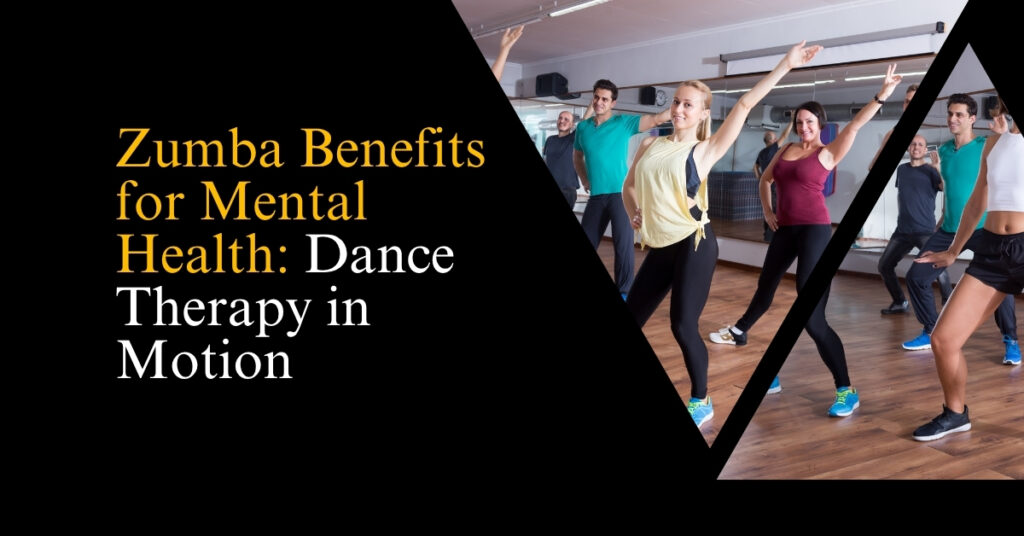
Zumba Benefits for Mental Health: Dance Therapy in Motion Life these days can feel like an endless rush—work deadlines, social media feeds, and everyday worries all competing for our attention. It’s no wonder stress, anxiety, and moments of low mood have become part of so many people’s lives. While therapy and meditation help, there’s something surprisingly powerful that often gets overlooked: dance. Among the many ways to move, Zumba shines as more than just exercise. It’s a burst of energy, joy, and music that lifts your spirit while working your body. Think of it as dance therapy in motion—a fun, sweaty, rhythm-filled escape that can make a real difference to your mental health. Here’s why adding Zumba to your weekly routine might be the fresh start your mind and mood truly need. The Joyful Science Behind Zumba Zumba is a dance fitness program built around Latin-inspired music and choreography, mixing salsa, merengue, reggaeton, and more. Beyond the visible fitness benefits, it also works wonders inside the brain. Dancing gets your heart rate up and triggers the release of endorphins—your body’s natural “feel-good” chemicals. This chemical boost can help ease feelings of sadness, tension, or anxiety, often after just a single class. The mix of physical movement, catchy music, and lively rhythm creates a full-body experience that helps shift focus away from worries, allowing your mind to breathe and recharge. Stress Relief That Feels Like Fun Most of us carry stress daily, sometimes without even noticing it. But Zumba gives your body and mind a playful outlet to release that tension. Instead of sitting quietly and trying to calm your thoughts, you’re invited to move, sweat, and lose yourself in the beat. Unlike traditional workouts that might feel repetitive, Zumba keeps you engaged with constantly changing choreography. This makes it feel less like “exercise” and more like a celebration, helping your mind let go of daily worries—even if just for an hour. By the end of class, cortisol levels (the hormone linked to stress) naturally decrease, leaving you feeling lighter and more relaxed. Growing Confidence and Self-Esteem Zumba isn’t about dancing perfectly; it’s about showing up, moving your body, and having fun. Whether you’re a seasoned dancer or someone with two left feet, Zumba creates an environment where everyone feels welcome. As you practice and get familiar with the steps, you start noticing progress maybe you remember a sequence better or feel more in sync with the music. These small wins boost self-esteem and body confidence. Over time, you begin to focus less on what you look like and more on how great you feel moving, which can change the way you view yourself outside the studio too. Helping Manage Anxiety and Depression Regular physical activity has long been linked to reduced symptoms of anxiety and depression, but Zumba adds another layer through music and community. The energetic rhythms act as a positive distraction from negative thoughts, while the steady, dance-based movement helps regulate breathing and calm the nervous system. Joining a class also brings social connection. Sharing laughs, smiles, and even the occasional misstep with others can ease feelings of isolation. These small moments of connection can add up to a meaningful impact on mood and emotional health, especially for those who often feel alone. Mindfulness You Can Dance To When people hear “mindfulness,” they often picture sitting quietly in meditation. But mindfulness can also be active—and Zumba is a perfect example. Dancing requires focus: you listen to the beat, follow steps, and feel the rhythm. This pulls your mind into the present moment, quieting background worries. Over time, this moving mindfulness practice can help you become more present in everyday life too. You may find yourself better able to pause, breathe, and notice how you feel—even outside of dance class. Sharper Mind, Stronger Brain Zumba isn’t just good for your mood—it’s also great for your brain. Learning and remembering new choreography challenges memory and coordination. This mental workout helps keep your mind sharp, improves concentration, and can even boost creativity. Research suggests that dance-based activities combining physical movement and cognitive challenge may help protect against cognitive decline as we age. So, in every spin and step, you’re also giving your brain a healthy boost. More Energy and Better Sleep Stress and low mood often drain your energy, creating a cycle that feels hard to break. Zumba, on the other hand, naturally boosts your stamina. The upbeat music and cardio workout increase blood flow, helping you feel more awake and motivated. And there’s a bonus: being active during the day helps improve sleep at night. Quality sleep is deeply linked to emotional balance, clearer thinking, and greater resilience. Over time, you may notice you fall asleep easier and wake up feeling more refreshed. A Safe Space to Feel and Release Sometimes we carry feelings we don’t fully understand or can’t express in words. Dance offers a different language: movement. Zumba classes become a safe space to let out frustration, sadness, or even pure joy through every step and sway. This emotional release is part of why so many people say they leave class feeling lighter—not just physically, but emotionally too. It’s a form of therapy without words, reminding us that it’s okay to feel everything and keep moving forward. Making Zumba Part of Your Routine You don’t have to dance every day to feel the benefits. Even one or two Zumba sessions each week can make a difference. Here are a few simple tips to help you get started: Pick music and instructors whose style makes you smile. Don’t stress about getting every move perfect; keep moving and enjoy. Celebrate progress, no matter how small—it all counts. Try online classes or dance at home if group settings feel intimidating. The real magic happens when you focus less on performance and more on how dancing makes you feel. Dance Your Way to a Happier Mind At its core, Zumba is more than just a workout. It’s a celebration of music,
Kathak vs Bharatanatyam: What’s the Difference Between the Two Classical Styles?
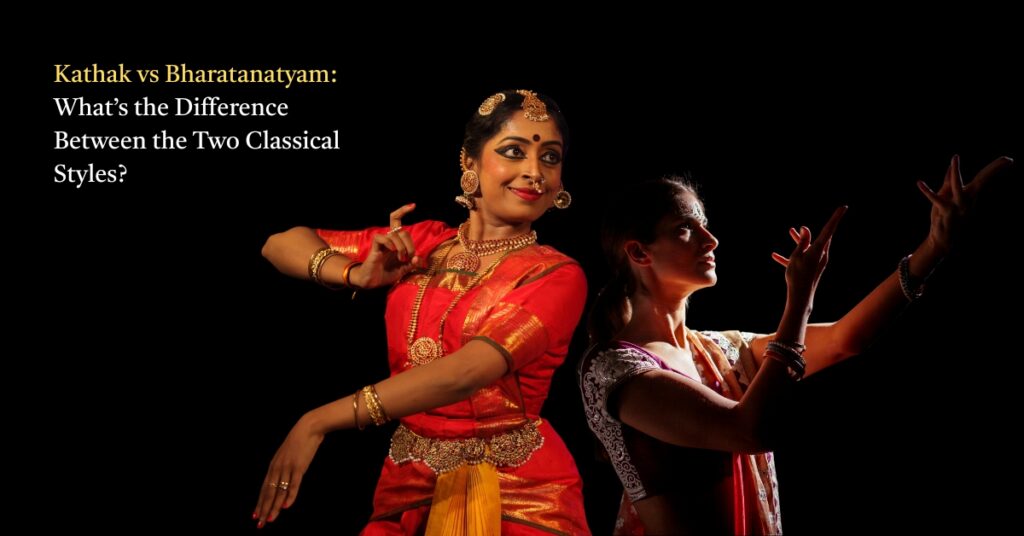
Kathak Vs. Bharatanatyam: What’s the Difference Between the Two Classical Styles? India’s classical dance heritage is a treasure trove of tradition, spirituality, and storytelling. Among the eight recognized classical dance forms, Kathak and Bharatanatyam are two of the most prominent and widely practiced. While both are steeped in ancient Indian culture and rooted in devotion, they differ significantly in origin, movement vocabulary, costume, musical accompaniment, and thematic content. If you’re new to classical dance or trying to decide which style to learn or understand better, this blog will help you explore the key differences between Kathak and Bharatanatyam. Origins and Cultural Background Bharatanatyam: Temple Dance of Tamil Nadu Bharatanatyam is one of the oldest classical dance forms of India, originating over 2000 years ago in the temples of Tamil Nadu. It was performed by devadasis (female temple dancers) as an offering to deities. The dance was deeply spiritual, serving as a medium to narrate stories from Hindu scriptures like the Ramayana, Mahabharata, and Puranas. The name “Bharatanatyam” itself is believed to be a combination of Bhava (emotion), Raga (melody), Tala (rhythm), and Natyam (dance), making it a holistic form of expression. Kathak: The Storytelling Dance of North India Kathak, on the other hand, has its roots in North India and derives from the Sanskrit word Katha, meaning story. Kathakars (storytellers) would travel and narrate stories through music, mime, and rhythmic footwork. Over time, Kathak evolved in the Mughal courts, absorbing Persian influences and transforming into a more secular and ornamental performance art. This makes Kathak a unique blend of Hindu devotional elements and Islamic courtly aesthetics, reflecting the syncretic culture of North India. Style of Movement and Expression Bharatanatyam: Angular Precision and Sculptural Beauty Bharatanatyam is known for its fixed upper torso, bent legs, and sharp, geometric poses. The dance is deeply rooted in symmetry and balance, often compared to temple sculptures that come alive in motion. Each posture and gesture is highly codified, designed to convey emotion and spiritual depth. The expressive aspect, called Abhinaya, uses intricate facial expressions and hand gestures (mudras) to narrate stories with clarity and grace. If you’re inspired to explore this graceful art form, consider joining the best Bharatanatyam classes in Dubai to begin your journey. Kathak: Fluid Grace and Rhythmic Footwork Kathak is characterized by spins (chakkars), fast-paced footwork (tatkaar), and fluid movements. Unlike Bharatanatyam, Kathak allows more freedom of the torso and arms, lending the dancer an effortless, flowing grace. The style alternates between pure dance (nritta) and expressive storytelling (nritya), often featuring call-and-response sequences between the dancer and the tabla player. Facial expressions are more subtle in Kathak, and the dancer relies heavily on rhythmic virtuosity and musical interplay. Looking to immerse yourself in this elegant classical form? Explore the best Kathak classes in Dubai to begin your journey with expert guidance. Costume and Jewelry Bharatanatyam Attire Bharatanatyam dancers wear a traditional silk saree or costume stitched in a way that allows freedom of movement while preserving modesty. The outfit includes pleats that fan out beautifully during leg movements and jumps. The jewelry set includes temple ornaments such as the headpiece (nethi chutti), nose ring, ear chains, bangles, and the odiyanam (waist belt). The dancer’s feet are adorned with alta (red dye) and ghungroos (ankle bells) that accentuate rhythm. Kathak Attire Kathak costumes are influenced by Mughal aesthetics. Female dancers typically wear a long anarkali-style kurta with a churidar and dupatta, while male dancers wear angarkhas or dhoti-kurta. Jewelry is minimal compared to Bharatanatyam, focusing more on elegance and grace. Ghungroos are also an essential part of the Kathak costume, highlighting the intricate footwork during performances. Music and Rhythm Bharatanatyam Music: Carnatic Tradition Bharatanatyam is performed to Carnatic music, the classical music of South India. Instruments commonly used include mridangam (a double-sided drum), violin, flute, and nattuvangam (cymbals played by the guru or conductor). The compositions are often in Tamil, Telugu, or Sanskrit. The tala system (rhythmic cycles) in Carnatic music is complex and intricately structured, complementing the precision of Bharatanatyam movements. Kathak Music: Hindustani Classical Kathak is accompanied by Hindustani classical music, the traditional music of North India. Key instruments include the tabla, sarangi, harmonium, and sitar. The rhythmic patterns are built on taals like Teentaal, Jhaptaal, and Ektaal, often explored with improvisation and complexity. Dancers and musicians often engage in jugalbandi (a creative dialogue), where the dancer matches or challenges the rhythm played by the tabla. Storytelling and Themes Bharatanatyam: Devotional and Mythological Bharatanatyam is deeply spiritual and is often performed as an offering to Hindu gods. The stories center around deities like Shiva (especially in his form as Nataraja, the lord of dance), Vishnu, Krishna, and Devi. The dances explore themes of devotion (bhakti), love, longing, and divine union. Even the abstract pieces in Bharatanatyam have a spiritual subtext, focusing on purity of movement and emotion. Kathak: From Temples to Courts Kathak initially began as a devotional temple dance, narrating stories of Krishna and Radha. However, during the Mughal era, it evolved into a court performance, incorporating romantic, historical, and abstract themes. Today, Kathak performances may include mythological tales, Sufi poetry, or purely technical showcases of rhythm and footwork. This dual legacy of temple and court makes Kathak one of the most versatile classical styles in India. Learning and Performance Training in Bharatanatyam Learning Bharatanatyam requires years of disciplined training under a qualified guru. Students begin with basic steps (adavus), followed by more advanced items like varnams, padams, and tillanas. The training focuses on posture, precision, and expressive storytelling. An arangetram (debut solo performance) marks the student’s readiness for public performance, after years of rigorous practice. Training in Kathak Kathak beginners’ training emphasizes rhythm (laya) and improvisation. Students learn tatkaar (footwork patterns), todas (compositions), chakkars, and expressive pieces. Since Kathak allows greater spontaneity, students often practice reciting rhythmic syllables (bols) and engaging with live musicians during training. Performance opportunities vary from small recitals to full-fledged stage productions. Which Dance Style is Right for You? Choosing between Kathak and Bharatanatyam depends
How to Choose the Right Zumba Class for Your Fitness Goals
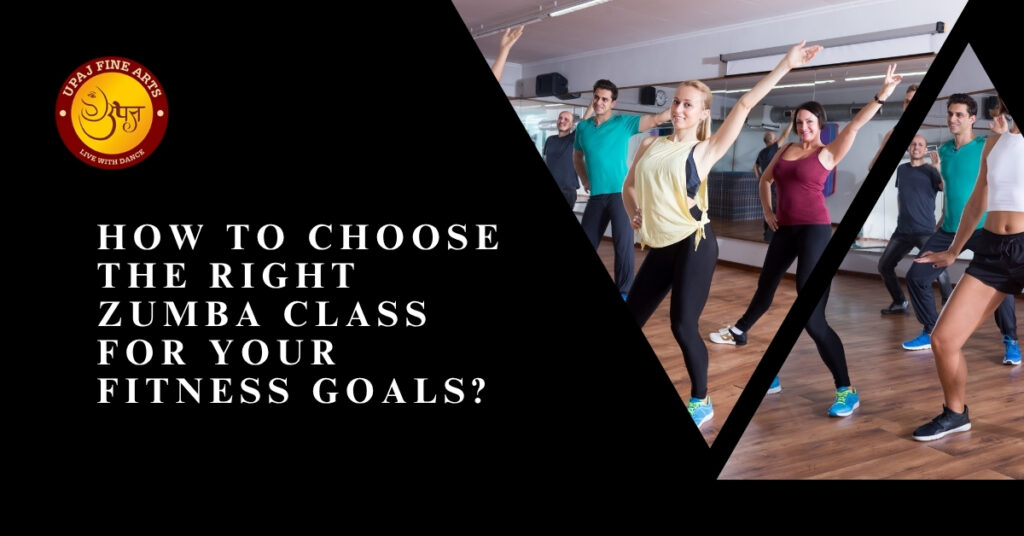
How to Choose the Right Zumba Class for Your Fitness Goals? Zumba is more than just a dance workout—it’s a fun, high-energy way to get fit, burn calories, and boost your mood. With so many types of Zumba classes available today, it can be tricky to decide which one suits your personal fitness goals. Whether you’re looking to lose weight, build stamina, tone your muscles, or simply enjoy a lively fitness experience, there’s a perfect Zumba class for you. Understand Your Fitness Goals First Before choosing a Zumba class, it’s essential to get clear on what you want to achieve. Are you trying to drop a few kilos, gain endurance, or just stay active with a fun routine? Different Zumba variations cater to different fitness outcomes. Here’s a quick breakdown of common goals: Weight Loss: You’ll want something high-intensity that gets your heart rate up. Toning and Sculpting: Look for classes that include strength-based elements or use equipment. Stress Relief and Fun: A beginner-friendly or rhythm-based class can do wonders. Endurance and Energy Boost: Opt for classes that challenge your stamina with longer, more dynamic sessions. Once you know your target, matching the class becomes much easier. Explore Different Types of Zumba Classes Not all Zumba classes are the same. There are several formats that combine dance with fitness in unique ways. Understanding each type will help you decide which one aligns with your goals: Zumba Fitness (Traditional): This is the most common type of Zumba and involves Latin-inspired dance moves combined with aerobic elements. It’s a great all-rounder if your goal is general fitness and calorie burning. Zumba Toning: If you’re looking to tone muscles and sculpt your body, this class adds light weights or toning sticks into the routine. You’ll still dance, but with an extra resistance training boost. Zumba Step: This class blends traditional Zumba choreography with step aerobics. It’s perfect for strengthening and shaping the lower body—great for those aiming for toned legs and glutes. Aqua Zumba: Ideal if you’re recovering from an injury or prefer a low-impact workout. Aqua Zumba takes place in the pool, combining water resistance with upbeat music for a joint-friendly fitness experience. Zumba Gold: Tailored for older adults or beginners who want a slower pace. It keeps all the joy of Zumba but with simpler moves and less intensity, making it a great choice for maintaining mobility and flexibility. Strong Nation (formerly Strong by Zumba): This is a high-intensity interval training (HIIT) workout synchronized to music. Unlike traditional Zumba, it’s not focused on dance, but instead on strength, stamina, and cardio endurance. Ideal for serious fitness goals. Zumba Kids: If you’re looking for a family-friendly option or want to involve your children in fitness, this one is specially designed for kids aged 4–12, with age-appropriate music and routines. Match Class Intensity With Your Fitness Level Zumba is designed for all fitness levels, but it’s still important to choose a class that matches your current capabilities. Beginners might feel overwhelmed jumping straight into an advanced Strong Nation class. If you’re new to exercise or haven’t danced before, start with a basic Zumba Fitness or Zumba Gold class. On the other hand, if you’re already quite active, you might find traditional Zumba too easy. In that case, challenge yourself with Strong Nation or Zumba Toning for a more intense workout. Consider Class Atmosphere and Instructor Style Every instructor brings their own vibe to the class. Some focus more on dance technique, while others lean into the cardio aspect. Some love high-energy pop tracks, others stick to Latin beats. Try a few trial classes or watch sample videos if available. Also, consider the atmosphere of the class. Do you prefer a large, lively group with party vibes? Or do you enjoy smaller, more intimate settings where the instructor gives personal attention? The right environment will keep you motivated and coming back for more. Think About Location and Schedule Practical factors like location and class timing can impact how consistent you are with your workouts. Look for a Zumba class that fits into your routine without making you feel stressed or rushed. Whether it’s a morning session before work or an evening escape, the best class is the one you can attend regularly. If attending in-person isn’t feasible, many certified Zumba instructors now offer online classes through Zoom or pre-recorded videos. This can be a convenient alternative, especially if you prefer working out at home. Ask About Trial Classes or Drop-Ins Many fitness centers and dance studios offer free or low-cost trial classes. This is a great way to test the waters before committing to a full package. Use this opportunity to evaluate the instructor, crowd, music, and overall energy. Don’t hesitate to ask questions before or after class. A good instructor will be happy to explain the format, help you modify moves, or guide you toward the right Zumba type for your body and goals. Don’t Be Afraid to Switch It Up Your fitness goals can change over time, and so can your class preferences. What starts as a fun cardio workout could evolve into a passion for strength training or dance performance. That’s the beauty of Zumba—it’s versatile, energizing, and always evolving. You’re not locked into one format forever. Feel free to try different styles as you grow stronger or your interests shift. The key is to keep moving, stay motivated, and enjoy the journey. Keep Moving Toward Your Goals with the Right Zumba Fit Choosing the right zumba fitness classes in Dubai is all about aligning your fitness journey with fun, movement, and motivation. Whether you’re stepping into your first class or switching things up to meet new goals, there’s a Zumba format that fits perfectly into your lifestyle. Explore your options, listen to your body, and let every beat bring you one step closer to a healthier, happier you. More than 2 results are available in the PRO version (This notice is only visible to admin users) Most Recent
Types of Chakkars in Kathak: From Basic to Advanced

Types of Chakkars in Kathak: From Basic to Advanced Chakkars’ breathtaking, whirling spins are among the most iconic elements of Kathak, the classical dance form of North India. Not only do they showcase a dancer’s technical mastery, balance, and stamina, but they also bring dramatic flair and rhythmic excitement to the stage. Whether you’re a beginner just stepping into your ghungroos or an advanced dancer refining your repertoire, knowing the different types of chakkars is key to evolving in Kathak. Let’s journey through these spins, moving from the simplest forms to the most advanced. What Are Chakkars in Kathak? In Kathak, chakkars (चक्कर) are pirouettes taken in a circular motion, usually on one leg, with the free leg tucked or extended depending on the aesthetic of the piece. The beauty of chakkars lies in their symmetry, speed, and control. Flawless spins look effortless, but they require disciplined practice, body alignment, and sharp focus. Two major gharanas (schools) influence chakkar execution: Lucknow Gharana: Known for lyrical, graceful spins with subtle nuances. Jaipur Gharana: Celebrated for dynamic, powerful multiple chakkars taken at lightning speed. Basic Chakkars 1. Single Chakkar (Ek Chakkar) The foundational spin every Kathak student begins with: one full rotation in place. It trains posture, spotting (drishti sanchalan), arm control, and basic rhythm awareness. Repetition of single chakkars builds core strength and confidence. 2. Double Chakkar (Do Chakkar) Once the single turn feels stable, dancers progress to two consecutive spins. Key points include landing softly, maintaining equal speed during both rotations, and mastering breath control to avoid dizziness. 3. Half Chakkar (Aadha Chakkar) A 180-degree turn used frequently in storytelling sequences, expressive transitions, or directional shifts. Aadha chakkars require seamless weight transfer and graceful upper-body carriage. Intermediate Chakkars 4. Tandav Chakkar Inspired by Lord Shiva’s cosmic dance, the tandav chakkar is bold and energetic. Expect powerful footwork, strong torso alignment, and high‐voltage expression perfect for fast-tempo toda or tukra segments. 5. Lasya Chakkar Serving as the feminine counterpart to tandav, lasya chakkars are soft, delicate, and fluid. They often appear in slower rhythms or expressive abhinaya passages, emphasizing flowing arm lines and gentle landings. 6. Chakkar in Tihai A tihai is a rhythmic phrase repeated three times to finish precisely on the sam (the first beat). Integrating chakkars—such as three double spins—into a tihai sharpens timing, memory, and coordination with the tabla. Advanced Chakkars 7. Multiple Chakkars (Saat, Dus, Bees Chakkar) Executing seven, ten, or even twenty-one consecutive spins is a hallmark of advanced artistry. Legends have achieved over 100 uninterrupted chakkars! Cultivating this feat demands meticulous breath work (pranayama), daily ankle and core conditioning, and unwavering mental focus. 8. Samvritta Chakkar (Closed Spin) Here the dancer maintains a compact posture—arms folded or drawn close to the torso—while spinning. The resulting silhouette is crisp and refined, especially striking in rapid Jaipur-style executions or dramatic parans. 9. Vikshipta Chakkar (Scattered Spin) Arms and hands extend dynamically in varying planes as the body turns, creating a visually “scattered” yet controlled effect. This spin adds theatrical flair to narrative sequences and demands advanced proprioception. Creative Variations and Group Chakkars 10. Chakkars in Group Formations Synchronized spins taken by multiple dancers (either in unison, canons, or ripple patterns) showcase ensemble precision and rhythmic unity—an audience favorite in large productions. 11. Diagonal and Travelled Chakkars Advanced performers sometimes spin while gliding diagonally across the stage, linking footwork phrases or storytelling scenes. These travelling chakkars require impeccable spotting and spatial awareness to land exactly where intended. Practice Tips for Perfecting Your Chakkars Start slow: Build muscle memory before increasing speed. Spot a focal point: Keep eyes fixed on a reference spot to reduce dizziness. Strengthen your core: Strong abdominal and back muscles stabilize turns. Condition ankles and calves: Flexibility and strength here ensure smooth take-offs and landings. Listen to the taal: Let the rhythm guide your timing and energy. Record your practice: Video feedback reveals posture errors and uneven rotations. Breathe rhythmically: Coordinated inhalation-exhalation helps maintain balance and prevents fatigue. The Spiritual Symbolism of Chakkars Beyond technique, chakkars evoke profound symbolism. The continuous rotation mirrors the eternal cosmic cycle—creation, preservation, and dissolution—and connects the dancer to the divine. Many compare Kathak chakkars to Sufi whirling, where spinning becomes a moving meditation and a pathway to transcendence. If you’re in the UAE and wish to experience the grace and depth of Kathak, consider joining the best kathak dance classes in Dubai offered by Upaj Dance Academy. With expert instructors, a structured curriculum, and a deep focus on both technique and expression, it’s the perfect place to begin or advance your Kathak journey. More than 2 results are available in the PRO version (This notice is only visible to admin users) Most Recent Posts All Posts Blog Bollywood kathak Zumba Types of Chakkars in Kathak: From Basic to Advanced Top 10 benefits of Bollywood Dance for Health and Wellbeing Top 10 Health Benefits of Zumba That Can Improve Your Overall Wellness Category Blog (15) Bollywood (2) kathak (11) Zumba (2) Explore Our Services Join our fun and engaging dance, music, and art classes for all ages! Explore More
Top 10 benefits of Bollywood Dance for Health and Wellbeing

10 Benefits of Indian Bollywood Dance for Health and Wellbeing Indian Bollywood dance is more than just vibrant choreography on a movie screen—it’s a joyful and powerful way to improve both your physical health and emotional wellbeing. With its unique mix of classical Indian forms, folk styles like Bhangra, and Western influences like hip-hop and jazz, Bollywood dance offers a fun and holistic path to fitness and happiness. Here are ten amazing benefits of incorporating Bollywood dance into your life. 1. Full-Body Workout Bollywood dance engages your entire body. From your toes to your fingertips, each movement works different muscle groups. This leads to improved muscle tone, stamina, and core strength. Whether you’re doing intricate footwork or expressive hand gestures, you’re constantly moving, making it a high-energy and efficient workout. In fact, a 30-minute session can burn between 250 to 500 calories depending on intensity. 2. Boosts Cardiovascular Health The rhythmic and fast-paced nature of Bollywood routines increases your heart rate, making it a fantastic cardio exercise. Regular participation can improve heart health, enhance lung capacity, and support better circulation. Since Bollywood dance is so enjoyable, you’re more likely to stick with it, which helps you maintain consistent aerobic activity over time. 3. Reduces Stress and Anxiety Bollywood dance isn’t just a workout—it’s therapy in motion. Dancing to uplifting music helps reduce cortisol (the stress hormone) and stimulates endorphin release. The result? A natural mood boost and reduced anxiety. The expressive nature of the dance, which includes facial expressions and storytelling, also encourages emotional release, leaving you feeling lighter and more relaxed. 4. Improves Flexibility and Posture Thanks to influences from classical dance styles like Bharatanatyam and Kathak, Bollywood dance routines often include graceful stretches, bends, and spins. Over time, practicing these movements enhances flexibility and posture. You become more aware of your body alignment, which reduces the risk of injuries and chronic tension, especially in the back and shoulders. 5. Encourages Weight Loss Bollywood dance is a calorie-torching activity. The mix of high and low-intensity movements keeps your heart rate up, helping you burn fat and improve metabolism. Unlike repetitive gym workouts, Bollywood dancing keeps things fresh and exciting, making it easier to stay consistent on your weight-loss journey. 6. Enhances Memory and Brain Function Learning dance choreography involves remembering sequences, patterns, and timing, which exercises your brain just as much as your body. It boosts cognitive function, enhances memory retention, and improves coordination. For children and adults alike, this mental stimulation helps build focus, discipline, and quicker reflexes. Regular dance practice has even been linked to a reduced risk of cognitive decline in older adults. 7. Builds Self-Confidence and Self-Expression Bollywood dance isn’t just about movement—it’s about attitude and storytelling. Whether you’re acting out lyrics with your facial expressions or striking bold poses, you’re expressing yourself creatively. This helps you become more comfortable in your own skin. Performing in front of others, whether in a class or social setting, naturally builds confidence and communication skills. 8. Promotes Cultural Awareness Bollywood dance is deeply rooted in Indian culture, reflecting everything from traditional folklore to modern pop influences. Participating in this form of dance allows people from all backgrounds to appreciate Indian music, costume, festivals, and storytelling. It fosters a sense of respect and curiosity about different cultures, especially for children in multicultural settings or those part of the Indian diaspora seeking a connection to their roots. 9. Great for All Ages and Fitness Levels One of the most inclusive aspects of Bollywood dance is that it’s accessible to everyone. You don’t need a dance background to join in, and moves can be modified based on age or ability. Kids benefit from improved motor skills and creativity, adults enjoy the fitness and social aspects, and seniors find it helps with mobility and mood. Whether you’re five or fifty, you can enjoy the joy of movement at your own pace. 10. Fosters Social Connection and Joy Bollywood dance is often a group activity, whether it’s a class, wedding rehearsal, or a flash mob. It encourages teamwork, laughter, and bonding. Dancing with others increases oxytocin levels (the “social bonding” hormone), which boosts happiness and reduces loneliness. Especially in a post-pandemic world, dancing together is a meaningful way to reconnect and feel part of a community. If you’re looking to experience these benefits firsthand, check out the best Bollywood dance classes in Dubai where you can learn, have fun, and connect with others who share your passion. Bollywood dance is more than a fitness routine—it’s a celebration of life. It supports your heart, mind, body, and soul all at once. Instead of dreading another workout, you can look forward to dancing your way to better health, surrounded by energetic music and colorful moves. Whether you join a local class, follow YouTube tutorials, or dance in your living room, the most important thing is to have fun. So the next time you hear a Bollywood beat, don’t just tap your foot—get up and dance. Your body and mind will thank you. More than 2 results are available in the PRO version (This notice is only visible to admin users) Most Recent Posts All Posts Blog kathak Zumba Top 10 benefits of Bollywood Dance for Health and Wellbeing Top 10 Health Benefits of Zumba That Can Improve Your Overall Wellness Sequence of a Kathak Dance Performance Category Blog (14) kathak (12) Zumba (4) Explore Our Services Join our fun and engaging dance, music, and art classes for all ages! Explore More
Top 10 Health Benefits of Zumba That Can Improve Your Overall Wellness

Top 10 Health Benefits of Zumba That Can Improve Your Overall Wellness Zumba has taken the fitness world by storm with its energetic, fun-filled workout routines. Combining Latin and international music with easy-to-follow dance steps, Zumba has transformed traditional exercise into an exciting experience. Whether you’re a beginner or a seasoned fitness enthusiast, Zumba is a workout that can benefit anyone. In this blog, we’ll explore the top 10 health benefits of Zumba and how it can enhance your overall wellness. 1. Burns Calories and Aids in Weight Loss One of the most obvious benefits of Zumba is its ability to help with weight loss. Due to its high-energy nature, Zumba is a great way to burn calories. In a typical 60-minute Zumba session, you can burn anywhere from 400 to 600 calories, depending on the intensity of the moves and your body weight. Regular participation in Zumba classes, combined with a healthy diet, can help you shed unwanted pounds and maintain a healthy weight. 2. Boosts Cardiovascular Health Zumba is a cardiovascular workout that involves fast-paced, heart-pumping dance moves. It gets your heart rate up, improving your heart health and helping to lower your risk of heart disease. Studies have shown that aerobic exercises, like Zumba, can reduce blood pressure, improve circulation, and increase your heart’s efficiency. Regular participation can help you build endurance, making everyday activities feel less tiring. 3. Improves Coordination and Balance Zumba isn’t just about dancing; it’s also about improving your body’s coordination. The combination of rhythmic movements and footwork requires balance and control. Over time, this helps improve your motor skills, coordination, and spatial awareness. Better balance is essential, especially as we age, as it can reduce the risk of falls and injuries. 4. Boosts Mental Health and Reduces Stress Exercise, especially dance, is a fantastic way to combat stress, and Zumba is no exception. When you engage in Zumba, your body releases endorphins, also known as “feel-good” hormones. These endorphins are natural mood boosters, helping you to combat anxiety and depression. The joy of dancing to upbeat music can also provide a mental escape from the stresses of everyday life, promoting relaxation and emotional well-being. 5. Increases Strength and Endurance Zumba is a full-body workout that helps build muscle strength and improve endurance. While many of the movements target the core, legs, and arms, the constant motion throughout a Zumba class works your entire body. This helps tone muscles and increase stamina, making you stronger both physically and mentally. The more you practice Zumba, the more you will notice improvements in your strength and overall fitness level. 6. Enhances Flexibility Flexibility plays a key role in overall health, and Zumba can help improve it. During a typical class, you’ll engage in a variety of movements, including stretching, reaching, and bending. These movements stretch and lengthen your muscles, which helps improve flexibility. Increased flexibility can also reduce the risk of injury and alleviate muscle tension, leaving you feeling more agile and relaxed. 7. Promotes Social Interaction and Builds Community Zumba classes are often group-based, and this creates a fun and supportive environment. Socializing while exercising makes the workout feel less like a chore and more like a fun activity. Participating in group Zumba classes gives you the opportunity to meet new people, make friends, and become part of a fitness community. Having a social aspect to your fitness routine is a powerful motivator that keeps you coming back for more. 8. Improves Posture Zumba emphasizes strong core engagement, which is essential for good posture. By regularly participating in Zumba, you’ll become more aware of your posture, especially as you practice movements that require you to stand tall and engage your core. Improved posture not only helps you look more confident but also reduces strain on your spine and muscles, lowering the risk of back and neck pain. 9. Enhances Cognitive Function Studies have shown that physical exercise, particularly dance, has cognitive benefits, and Zumba is no different. The mental challenge of learning new dance routines, remembering choreography, and coordinating your body to the rhythm of the music boosts brain function. The combination of physical movement and mental effort can help improve memory, focus, and overall brain health. In fact, engaging in dance routines has been linked to a decreased risk of cognitive decline as we age. 10. It’s Fun and Motivating Zumba’s most attractive quality is that it’s fun! Traditional workouts can sometimes feel repetitive and boring, but Zumba offers variety with its wide range of music and dance styles. The upbeat rhythms of Latin, pop, and international music make every class feel like a party. This makes it easier to stick to your fitness routine because you’ll look forward to each session. The more fun you have, the more motivated you will be to continue working out, which leads to better long-term health outcomes. Start Your Zumba Journey and Reap the Health Benefits Zumba is an incredibly effective and enjoyable workout that offers a wide range of health benefits. From burning calories and improving cardiovascular health to boosting your mood and building strength, Zumba is a full-body workout that can significantly enhance your overall wellness. Whether you’re looking to lose weight, gain flexibility, or simply have fun, Zumba provides an all-encompassing workout experience that’s suitable for all ages and fitness levels. So, put on your dancing shoes, turn up the music, and start enjoying the amazing benefits Zumba has to offer! Looking for the best zumba classes near Sharjah, Dubai? You can find top-rated Zumba studios and classes across the city that will guide you through this fun and effective workout! By making Zumba a regular part of your fitness routine, you can reap these health benefits while also improving your mental and emotional well-being. Join a class today and start dancing your way to a healthier, happier you! More than 2 results are available in the PRO version (This notice is only visible to admin users) Most Recent Posts All Posts
