The History and Cultural Significance of Bharatnatyam
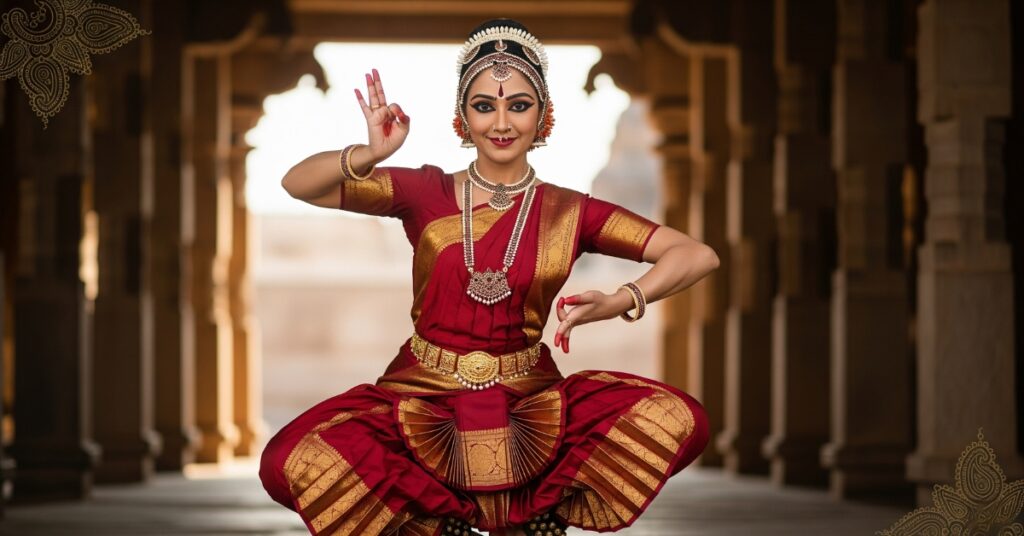
The History and Cultural Significance of Bharatanatyam Bharatnatyam, one of the oldest classical dance forms of India, is renowned for its grace, purity, and deep connection to spirituality. Originating in the southern state of Tamil Nadu, this dance form is not merely a visual spectacle but also a medium of storytelling, devotion, and cultural preservation. With its intricate footwork, expressive gestures, and rhythmic patterns, Bharatnatyam has captivated audiences for centuries, both within India and across the globe. Origins and Historical Background The roots of Bharatanatyam can be traced back over 2,000 years, making it one of the most ancient performing arts in India. Historical evidence of this dance form is found in the Natya Shastra, the ancient Sanskrit text on performing arts attributed to Bharata. The Natya Shastra outlines the principles of dance, drama, and music, and serves as a foundational guide for classical Indian arts, including Bharatanatyam. Traditionally, Bharatanatyam was performed in temples as an offering to deities, particularly Lord Shiva in his form as Nataraja, the cosmic dancer. These performances were an integral part of religious rituals, combining storytelling with spiritual devotion. Temples in Tamil Nadu, such as the Chidambaram and Meenakshi temples, played a significant role in preserving and nurturing this art form. Over time, Bharatanatyam evolved from being a purely devotional practice to a sophisticated performing art showcased on global stages. Dance Technique and Aesthetics Bharatanatyam is characterized by a unique combination of expressive gestures (mudras), rhythmic footwork (adavus), and intricate body movements. The dancer uses facial expressions and hand gestures to convey emotions and narrate stories from Hindu epics like the Ramayana, Mahabharata, and the Puranas. Each movement is meticulously choreographed, requiring years of dedicated training to master the precision and fluidity demanded by this art form. Costumes and makeup also play an essential role in Bharatanatyam performances. The traditional attire includes vibrant silk sarees adorned with gold jewelry, and intricate makeup highlights the dancer’s facial expressions. Bells (ghungroos) tied around the ankles accentuate the rhythm and synchronize with the accompanying Carnatic music, creating a mesmerizing audiovisual experience. Cultural Significance Beyond its aesthetic appeal, Bharatanatyam holds immense cultural significance. As a storytelling medium, it preserves the myths, legends, and moral values of Indian tradition. Each performance conveys philosophical teachings, ethical principles, and spiritual messages, making it an educational as well as an artistic experience. Bharatanatyam also serves as a tool for social cohesion and cultural identity. Historically, it provided communities with a shared space for religious expression and celebration. Even today, learning and performing Bharatanatyam fosters a sense of pride in India’s rich heritage and encourages the transmission of cultural knowledge to younger generations. Moreover, Bharatanatyam is recognized globally as a symbol of India’s artistic excellence. International festivals and cultural exchanges showcase this dance form, bridging cultural gaps and promoting appreciation for India’s intangible heritage. The dance’s global recognition underscores its ability to communicate universal human emotions such as love, devotion, sorrow, and joy, transcending linguistic and geographical boundaries. Contemporary Relevance While Bharatanatyam has deep roots in tradition, contemporary dancers have experimented with innovative choreography and themes, bringing fresh perspectives to classical performances. Modern interpretations explore social issues, personal narratives, and fusion with other art forms, making Bharatanatyam relevant to today’s audiences while still respecting its traditional essence. Furthermore, institutions and academies dedicated to Bharatanatyam across India and the world ensure its continuity. Online platforms and digital resources have also made learning more accessible, allowing enthusiasts from diverse backgrounds to experience and practice this art form. Preserving the Legacy of Bharatanatyam Bharatanatyam is more than just a dance; it is a cultural treasure that embodies India’s spiritual, artistic, and historical richness. Its precise technique, emotive storytelling, and devotional essence make it a unique form of artistic expression that continues to inspire and captivate. Preserving and promoting Bharatanatyam is essential not only for safeguarding a centuries-old tradition but also for celebrating the enduring beauty of India’s cultural heritage. Whether performed in a temple, on a stage, or in contemporary settings, Bharatanatyam remains a timeless expression of devotion, artistry, and cultural identity. For those looking to learn this magnificent art form, enrolling in the best bharatanatyam classes in Dubai can provide expert guidance and help students connect with its rich traditions. Get AI Insights on This Post: CHat – gpt Perplexity Google AI Grok More than 2 results are available in the PRO version (This notice is only visible to admin users) Most Recent Posts All Posts Blog Bollywood kathak Zumba The History and Cultural Significance of Bharatnatyam Zumba Dance Benefits: Workout, Exercise & Weight Loss Guide Top 10 Importance of Dance: Mental, Physical, Emotional & Social Benefits for All Category Blog (25) Bollywood (4) kathak (20) Zumba (7) Explore Our Services Join our fun and engaging dance, music, and art classes for all ages! Explore More
Kathak vs Bharatanatyam: What’s the Difference Between the Two Classical Styles?
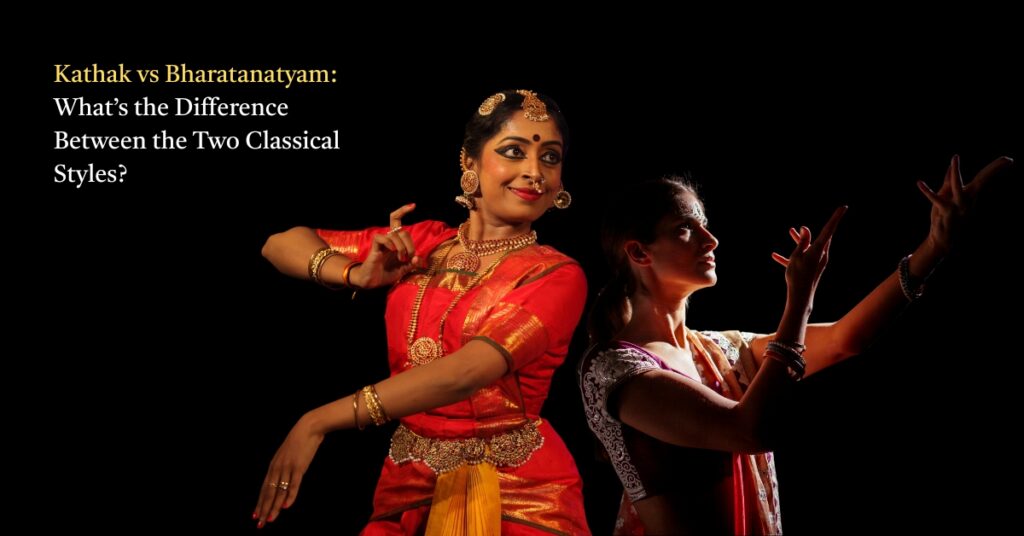
Kathak Vs. Bharatanatyam: What’s the Difference Between the Two Classical Styles? India’s classical dance heritage is a treasure trove of tradition, spirituality, and storytelling. Among the eight recognized classical dance forms, Kathak and Bharatanatyam are two of the most prominent and widely practiced. While both are steeped in ancient Indian culture and rooted in devotion, they differ significantly in origin, movement vocabulary, costume, musical accompaniment, and thematic content. If you’re new to classical dance or trying to decide which style to learn or understand better, this blog will help you explore the key differences between Kathak and Bharatanatyam. Origins and Cultural Background Bharatanatyam: Temple Dance of Tamil Nadu Bharatanatyam is one of the oldest classical dance forms of India, originating over 2000 years ago in the temples of Tamil Nadu. It was performed by devadasis (female temple dancers) as an offering to deities. The dance was deeply spiritual, serving as a medium to narrate stories from Hindu scriptures like the Ramayana, Mahabharata, and Puranas. The name “Bharatanatyam” itself is believed to be a combination of Bhava (emotion), Raga (melody), Tala (rhythm), and Natyam (dance), making it a holistic form of expression. Kathak: The Storytelling Dance of North India Kathak, on the other hand, has its roots in North India and derives from the Sanskrit word Katha, meaning story. Kathakars (storytellers) would travel and narrate stories through music, mime, and rhythmic footwork. Over time, Kathak evolved in the Mughal courts, absorbing Persian influences and transforming into a more secular and ornamental performance art. This makes Kathak a unique blend of Hindu devotional elements and Islamic courtly aesthetics, reflecting the syncretic culture of North India. Style of Movement and Expression Bharatanatyam: Angular Precision and Sculptural Beauty Bharatanatyam is known for its fixed upper torso, bent legs, and sharp, geometric poses. The dance is deeply rooted in symmetry and balance, often compared to temple sculptures that come alive in motion. Each posture and gesture is highly codified, designed to convey emotion and spiritual depth. The expressive aspect, called Abhinaya, uses intricate facial expressions and hand gestures (mudras) to narrate stories with clarity and grace. If you’re inspired to explore this graceful art form, consider joining the best Bharatanatyam classes in Dubai to begin your journey. Kathak: Fluid Grace and Rhythmic Footwork Kathak is characterized by spins (chakkars), fast-paced footwork (tatkaar), and fluid movements. Unlike Bharatanatyam, Kathak allows more freedom of the torso and arms, lending the dancer an effortless, flowing grace. The style alternates between pure dance (nritta) and expressive storytelling (nritya), often featuring call-and-response sequences between the dancer and the tabla player. Facial expressions are more subtle in Kathak, and the dancer relies heavily on rhythmic virtuosity and musical interplay. Looking to immerse yourself in this elegant classical form? Explore the best Kathak classes in Dubai to begin your journey with expert guidance. Costume and Jewelry Bharatanatyam Attire Bharatanatyam dancers wear a traditional silk saree or costume stitched in a way that allows freedom of movement while preserving modesty. The outfit includes pleats that fan out beautifully during leg movements and jumps. The jewelry set includes temple ornaments such as the headpiece (nethi chutti), nose ring, ear chains, bangles, and the odiyanam (waist belt). The dancer’s feet are adorned with alta (red dye) and ghungroos (ankle bells) that accentuate rhythm. Kathak Attire Kathak costumes are influenced by Mughal aesthetics. Female dancers typically wear a long anarkali-style kurta with a churidar and dupatta, while male dancers wear angarkhas or dhoti-kurta. Jewelry is minimal compared to Bharatanatyam, focusing more on elegance and grace. Ghungroos are also an essential part of the Kathak costume, highlighting the intricate footwork during performances. Music and Rhythm Bharatanatyam Music: Carnatic Tradition Bharatanatyam is performed to Carnatic music, the classical music of South India. Instruments commonly used include mridangam (a double-sided drum), violin, flute, and nattuvangam (cymbals played by the guru or conductor). The compositions are often in Tamil, Telugu, or Sanskrit. The tala system (rhythmic cycles) in Carnatic music is complex and intricately structured, complementing the precision of Bharatanatyam movements. Kathak Music: Hindustani Classical Kathak is accompanied by Hindustani classical music, the traditional music of North India. Key instruments include the tabla, sarangi, harmonium, and sitar. The rhythmic patterns are built on taals like Teentaal, Jhaptaal, and Ektaal, often explored with improvisation and complexity. Dancers and musicians often engage in jugalbandi (a creative dialogue), where the dancer matches or challenges the rhythm played by the tabla. Storytelling and Themes Bharatanatyam: Devotional and Mythological Bharatanatyam is deeply spiritual and is often performed as an offering to Hindu gods. The stories center around deities like Shiva (especially in his form as Nataraja, the lord of dance), Vishnu, Krishna, and Devi. The dances explore themes of devotion (bhakti), love, longing, and divine union. Even the abstract pieces in Bharatanatyam have a spiritual subtext, focusing on purity of movement and emotion. Kathak: From Temples to Courts Kathak initially began as a devotional temple dance, narrating stories of Krishna and Radha. However, during the Mughal era, it evolved into a court performance, incorporating romantic, historical, and abstract themes. Today, Kathak performances may include mythological tales, Sufi poetry, or purely technical showcases of rhythm and footwork. This dual legacy of temple and court makes Kathak one of the most versatile classical styles in India. Learning and Performance Training in Bharatanatyam Learning Bharatanatyam requires years of disciplined training under a qualified guru. Students begin with basic steps (adavus), followed by more advanced items like varnams, padams, and tillanas. The training focuses on posture, precision, and expressive storytelling. An arangetram (debut solo performance) marks the student’s readiness for public performance, after years of rigorous practice. Training in Kathak Kathak beginners’ training emphasizes rhythm (laya) and improvisation. Students learn tatkaar (footwork patterns), todas (compositions), chakkars, and expressive pieces. Since Kathak allows greater spontaneity, students often practice reciting rhythmic syllables (bols) and engaging with live musicians during training. Performance opportunities vary from small recitals to full-fledged stage productions. Which Dance Style is Right for You? Choosing between Kathak and Bharatanatyam depends
