The Role of Silence and Pause in Kathak Performance
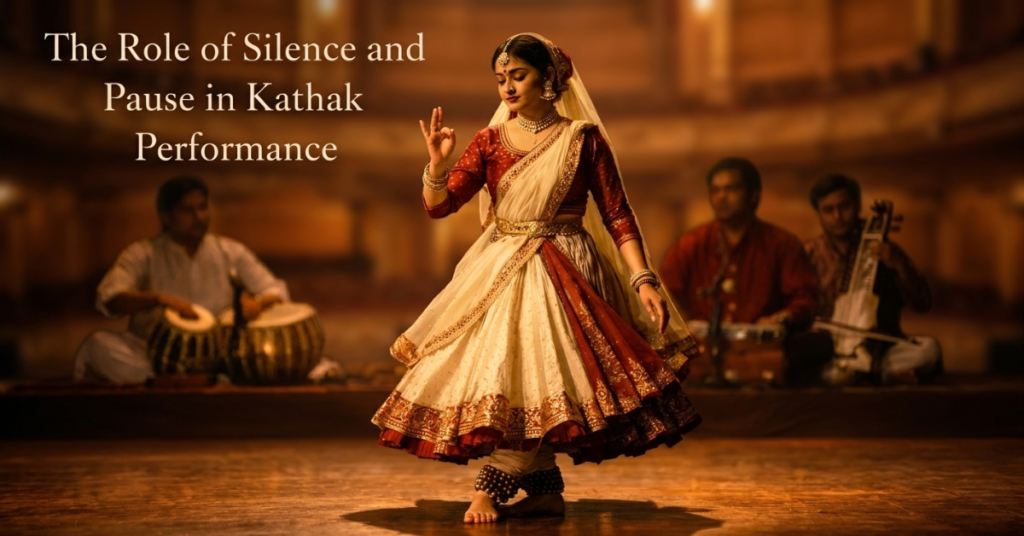
The Role of Silence and Pause in Kathak Performance Summary:-Kathak is often recognized for its rhythmic footwork, graceful spins, and expressive storytelling. The sound of ghungroo following the beats of the tabla creates a dynamic flow throughout the performance. Yet, alongside these movements and sounds, there are quieter moments that play an equally important role. Silence and pause are subtle elements that shape the rhythm and emotional depth of a Kathak performance. They allow dancers to highlight technique, emphasize expressions, and create space for the audience to absorb what is happening on stage. Rather than interrupting the dance, these moments of stillness help bring balance to the performance. Movement and Stillness in Kathak A Kathak performance is not built on constant motion. Instead, it is structured through a thoughtful balance between movement and stillness. Dancers often move through sequences of footwork, spins, and gestures, followed by brief moments where the body becomes still. These pauses help mark transitions within the choreography. They also allow the audience to notice details that might otherwise be missed, such as the precision of footwork or the clarity of a pose. In this way, stillness becomes part of the rhythm of the dance. Understanding Silence and Pause Although silence and pause often appear together, they serve slightly different purposes within a Kathak performance. A pause usually refers to a brief stop in the dancer’s movement. This might occur after completing a rhythmic phrase, a spin, or before beginning a new sequence. Pauses help organize the choreography and give structure to the performance. Silence, on the other hand, relates more to the soundscape of the performance. It may occur when the music softens or briefly stops, allowing the dancer’s expressions or gestures to become the main focus. When silence and pause occur together, they create a moment where the audience’s attention naturally settles on the dancer’s presence and expression. Silence vs Pause in Kathak: A Quick Comparison Although silence and pause often appear together in a Kathak performance, they highlight different aspects of the dance. Pause in Kathak A brief stop in the dancer’s movement. Usually appears after spins, footwork, or rhythmic compositions. Helps mark the end of a sequence and prepare for the next one. Emphasizes posture, balance, and technical control. Silence in Kathak A moment when the music softens or briefly stops. Draws attention to expressions and gestures. Adds emotional depth during storytelling sections. Helps the audience focus on the dancer’s presence. When used together, silence and pause create a balanced moment on stage where both movement and sound briefly step back, allowing the audience to fully appreciate the performance. How Pauses Shape Rhythm? Rhythm plays a central role in Kathak, and pauses help make that rhythm clearer. Dancers often perform rhythmic compositions that build in complexity. After completing a sequence such as a tukra or a tihai a brief pause may follow. This pause signals the end of the rhythmic phrase and gives the audience a moment to register the pattern. These pauses help maintain clarity within the performance, especially when the rhythm becomes fast or intricate. Silence in Expressive Sections Kathak is also known for its expressive storytelling where dancers use gestures and facial expressions to portray emotions or narrative elements. In these moments, silence can be particularly effective. When the music softens or briefly pauses, the focus naturally shifts to the dancer’s expression and movement. This quiet space allows the emotion of the scene to come forward more clearly. The audience is given a moment to connect with the feeling being conveyed before the dance continues. Creating Balance Within the Performance Silence and pause contribute to the overall balance of a Kathak performance .continuous movement can feel overwhelming, especially when sequences become fast and complex. Moments of stillness help slow the pace slightly and create contrast within the choreography. They also give dancers the opportunity to transition smoothly into the next section of the performance. Through this balance, the performance maintains both clarity and visual interest. Interaction with Music In traditional Kathak performances, dancers often perform alongside live musicians. This creates an ongoing interaction between movement and music. A dancer may pause after completing a rhythmic phrase, allowing the tabla player to respond. Similarly, a short silence in the music can signal a shift in the choreography. These subtle exchanges add depth to the performance and highlight the close relationship between dance and music in Kathak. The Control Behind Stillness Holding a still pose after a series of movements requires control and balance. After fast spins or intricate footwork ,remaining steady demonstrates the dancer’s training and focus. These moments also reflect the dancer’s awareness of timing. Knowing when to pause or remain still is just as important as executing the movements themselves. In this way, stillness becomes another aspect of technique within Kathak. Appreciating the Subtle Elements of Kathak Silence and pause may seem like small details, but they contribute significantly to the overall experience of a Kathak performance. They help shape rhythm, support storytelling, and bring clarity to the choreography. By paying attention to these quieter moments, audiences can gain a deeper appreciation of the balance and thought that goes into every performance. Discover the Art of Kathak! Learning Kathak involves more than practicing steps and rhythm. It also involves understanding timing, expression, and the thoughtful use of stillness within movement. At Upaj Academy , students receive structured training that focuses on both technique and artistic expression. With guidance from experienced instructors, learners gradually understand how rhythm, movement, silence, and pause work together to create a balanced performance. If you are interested in experiencing the elegance of this classical dance form, exploring the best Kathak Dance classes in Dubai can be a great step toward learning the depth and beauty of Kathak. Frequently Asked Questions Why are pauses important in Kathak dance performances? Pauses help structure the choreography and highlight important movements. They allow the audience to appreciate the rhythm, precision, and expression of the dancer before the next sequence begins. How does
The Role of Facial Expressions in Classical Indian Dance
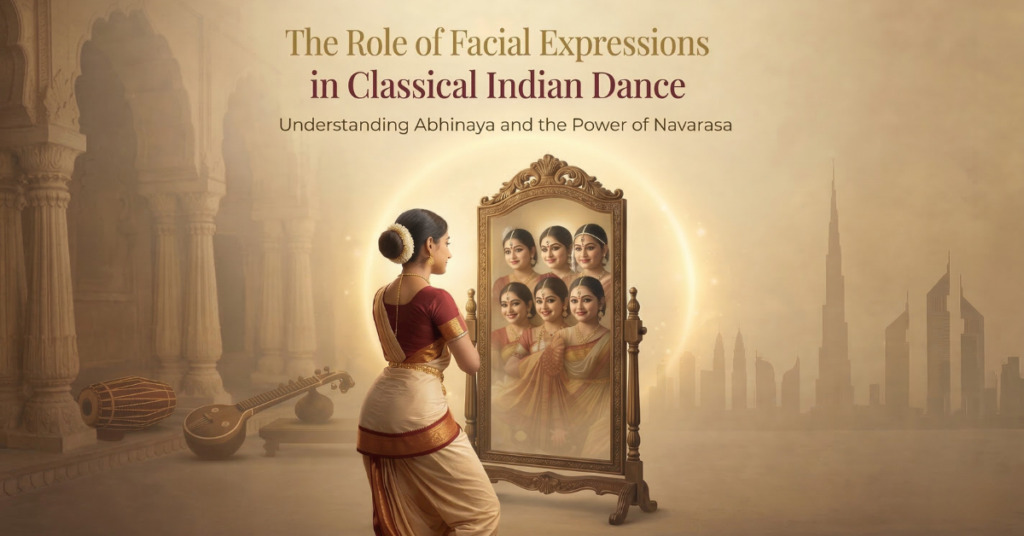
The Role of Facial Expressions in Classical Indian Dance Summary:-Classical Indian dance is not only about graceful movements and rhythmic footwork. It is also a powerful language of expression. Through subtle facial movements, dancers communicate emotions, characters, and stories that audiences can instantly connect with. In traditions like Kathak, facial expressions form an important part of Abhinaya, the expressive dimension of dance. A simple glance, a raised eyebrow, or a gentle smile can convey an entire emotion or moment in the story. These expressions allow the dancer to transform movement into storytelling, creating a deeper emotional experience for the audience. Understanding how these expressions work reveals both the artistic and scientific depth of classical Indian dance. Understanding Abhinaya: The Art of Expression In Indian classical dance traditions, the expressive aspect of performance is known as Abhinaya. The Sanskrit word comes from “abhi” (towards) and “naya” (to lead), meaning to lead the audience toward an emotional experience. Abhinaya combines several elements such as body movements, gestures, expressions, costumes, and inner emotions. Among these, facial expressions play a central role because they help communicate the dancer’s inner feelings to the audience. In Kathak performances, Abhinaya is especially visible during storytelling sequences where dancers interpret poetry, devotional themes, or mythological narratives. What Is the Science Behind Facial Expressions in Dance? While expressions in dance appear artistic, they also involve a fascinating scientific process. The human face contains many small muscles that work together to produce different emotions. Skilled dancers train these muscles so they can precisely control expressions such as joy, surprise, curiosity, or devotion. Even a small movement of the eyebrows or lips can change the meaning of an expression. Through practice, dancers learn to coordinate facial expressions with eye movements, gestures, and rhythm, creating a complete visual language. Research in human expression also shows that subtle facial movements communicate emotions effectively across cultures, which explains why audiences can understand the feelings portrayed by dancers even without spoken words. The Language of the Eyes (Drishti) In classical dance training, special attention is given to the eyes because they are one of the most expressive parts of the face. Eye movements, called Drishti, guide the audience’s attention and help illustrate the story. A dancer may look upward to indicate devotion, sideways to suggest curiosity, or downward to express humility. In Kathak, the graceful coordination of eye movements with hand gestures and footwork enhances storytelling and creates a captivating visual flow during the performance. Navarasa: The Nine Emotions in Classical Dance Indian aesthetic philosophy describes nine fundamental emotional states known as Navarasa (Nava = nine, Rasa = emotional essence or sentiment). These emotions form the expressive foundation of many classical Indian dance performances. In Kathak, dancers convey these emotions through subtle facial expressions, eye movements, and body language. Each Rasa allows the performer to bring depth and meaning to storytelling sequences. Shringara – Love and Beauty Shringara represents feelings of love, affection, and admiration. In Kathak, this emotion is often portrayed through soft smiles, gentle eye movements, and graceful gestures. It is commonly used in storytelling segments depicting romantic or devotional themes, where the dancer expresses admiration for beauty, nature, or divine love. Hasya – Joy and Laughter Hasya reflects happiness, amusement, and playful laughter. Dancers express this emotion through bright smiles, lively eyes, and lighthearted facial expressions. In Kathak storytelling Hasya may appear in playful moments between characters or in humorous situations that bring warmth and energy to the performance. Karuna – Compassion and Sadness Karuna conveys feelings of empathy, sorrow, or deep compassion. Dancers express this emotion through softened eyes, slow movements, and subtle expressions that reflect emotional depth This Rasa is often used in narratives that depict moments of longing, separation, or heartfelt devotion. Raudra – Anger Raudra represents powerful emotions such as anger, intensity, or fierce determination. The dancer’s expressions become sharper, with intense eyes and strong facial movements. Although Kathak is known for its elegance, this emotion may appear in dramatic storytelling moments where characters experience conflict or strong emotions. Veera – Courage Veera symbolizes bravery, confidence, and strength. This emotion is expressed through focused eyes, upright posture, and determined expressions. In Kathak performances, Veera may be used to portray heroic characters, moments of triumph, or expressions of inner strength. Bhayanaka – Fear Bhayanaka reflects feelings of fear, anxiety, or suspense. Dancers portray this emotion through widened eyes, tense expressions, and subtle changes in body language. In storytelling sequences, Bhayanaka can heighten dramatic moments and create a sense of anticipation within the narrative. Bibhatsa – Disgust Bibhatsa represents feelings of discomfort, dislike, or rejection. The dancer may express this emotion through slight facial contractions, raised lips, or expressions of displeasure. Although used sparingly, this Rasa helps add emotional contrast and realism to certain storytelling moments. Adbhuta – Wonder Adbhuta conveys amazement, curiosity, and fascination. This emotion is expressed through widened eyes, lifted eyebrows, and expressions of delight. In Kathak performances Adbhuta may appear when the dancer portrays moments of discovery, admiration, or awe within a story. Shanta – Peace and Tranquility Shanta represents calmness, inner balance, and spiritual peace. The expressions are gentle and composed, reflecting serenity and emotional harmony. This emotion is often used in devotional pieces where the dancer expresses a deep sense of connection and tranquility. These nine emotions allow Kathak dancers to transform movements into expressive storytelling, helping audiences connect deeply with the narrative and experience the full emotional richness of classical Indian dance. Subtlety of Expression in Kathak Different classical dance styles emphasize expressions in unique ways. In Kathak, expressions are often subtle and graceful rather than exaggerated. This delicate approach allows the dancer to transition smoothly between emotions while maintaining elegance. A Kathak dancer may portray multiple characters within a single story simply by changing expressions, gaze direction, or posture .This ability highlights the depth of training and artistic sensitivity required in classical dance. Training Facial Expressions in Kathak Learning expressions is an important part of Kathak training. Students gradually develop control over their facial muscles through guided
How to Wear a Bharatanatyam Dance Dress?
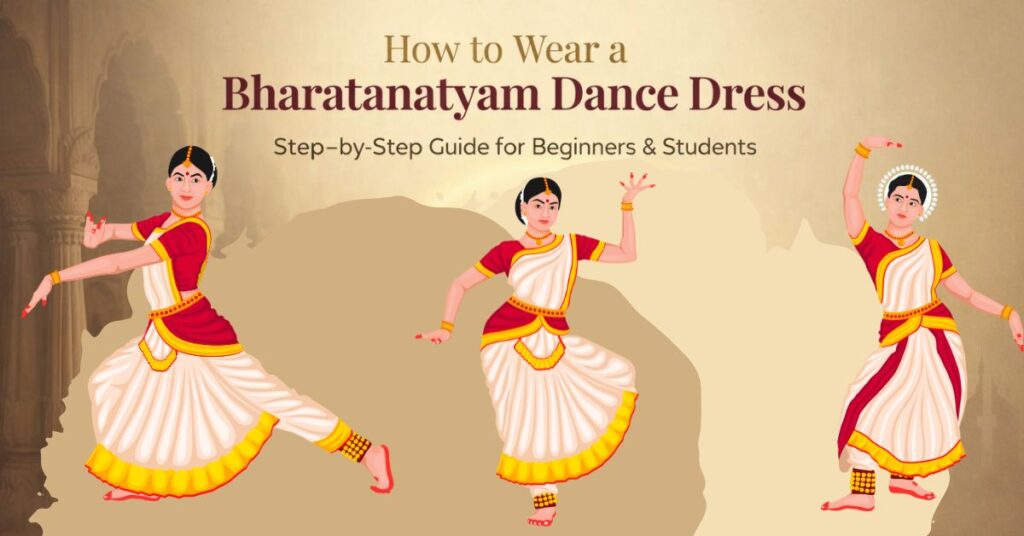
How to Wear a Bharatanatyam Dance Dress? Summary: Bharatanatyam is one of the oldest and most graceful forms of Indian classical dance. Known for its intricate footwork, expressive gestures, and storytelling through facial expressions, this dance form requires not only skill but also the proper attire to perform beautifully. Wearing a Bharatanatyam dance dress correctly is essential for comfort, freedom of movement, and authenticity on stage.By following a step-by-step process—from arranging the pleats and tying ghungroos to adding jewellery and completing the hairstyle—you can achieve the traditional Bharatanatyam look. Proper dressing not only enhances your appearance but also allows you to move comfortably and perform gracefully on stage. In this guide, we will take you step by step through the process of wearing a Bharatanatyam costume, from the base outfit and pleats to jewellery, ghungroos, hair, and makeup. Whether you are a beginner or preparing for your first performance, these tips will help you look elegant, feel confident, and move gracefully in your Bharatanatyam dress. Things You’ll Need to Wear a Bharatanatyam Dance Dress Before you start dressing up for Bharatanatyam, it’s important to gather all the essential items. From the costume and jewellery to hair accessories and makeup, having everything ready ensures a smooth and stress-free preparation. Below is a complete checklist of everything you’ll need: 1️. Dress Components The Bharatanatyam costume consists of multiple pieces designed for comfort, flexibility, and traditional elegance: Blouse (Upper Part): Fitted top to allow free arm movement. Pyjama (Lower Part): Dhoti-style pants or leggings for smooth leg movements. Small Fan (Waist): Pleated section at the front that opens beautifully during steps. Pallu (Drape Over Bosom): Decorative drape over the chest, completing the traditional look. 2️. Jewellery Essentials Jewellery is a key part of the Bharatanatyam costume, enhancing expressions and stage presence: Jhumka: Traditional earrings with an upward extension. Oddiyanam: Decorative waist band to secure the pleats and accentuate the waist. Nathni: Nose ring for a traditional touch. Long Mala: Long necklace for elegance. Short Mala (Choker): Necklace around the neck to complement the long mala. Vaanki (2 Pieces): Arm bands to highlight graceful hand movements. Chudiya: Colored bangles matching your costume. Ghungroo: Musical anklets with metallic bells that emphasize rhythmic footwork. Mattal: Forehead jewellery worn across the hairline. Chandra: Moon-shaped hair ornament. Surya: Sun-shaped hair ornament. Red Stick-on Bindi: Decorative mark worn in the center of the forehead. 3️. Hair Accessories Proper hair styling is crucial for traditional appearance and secure movement during performance: Kunjalam: Three cotton pom-poms used at the end of a braid. Rubber Bands (2): For securing hair in buns or braids. Hair Extension: To create a long plait if your hair is short. Real or Fake Gajra: String of flowers, usually white, to decorate the bun or braid. Scissors: To trim excess thread or adjust hair accessories. Black String: To tie the braid or secure ornaments. 4️. Makeup Essentials Classical makeup enhances expressions and highlights features on stage: Eye Shadow: Color matching your costume. Brushes: For applying powder, blush, and eye makeup. Face Powder & Blush: For an even skin tone and glowing appearance. Liquid Foundation: For stage-ready flawless skin. Red Lip Color & Nail Polish: Traditional vibrant look. Eyeliner, Mascara, Kohl: To emphasize eyes for abhinaya (expressions). Eyelash Curler: For enhancing eye definition. Alta: Red liquid used to decorate hands and feet. Small Container & Cotton Buds: For precise application and corrections. Safety Pins: Useful for securing costume pleats, jewellery, or drapes. Wearing the costume correctly is just as important as learning the steps because it ensures comfort, proper movement, and an authentic look on stage. In this blog, we’ll guide you step by step on how to wear a Bharatanatyam dance dress for practice or performance. Step 1: Wear the Base Costume The base costume is the foundation of your Bharatanatyam attire. Getting this layer right is essential because it provides comfort, flexibility, and proper support for your movements. Without a well-fitted base, performing adavus (basic steps) and intricate footwork can become uncomfortable or awkward. Components of the Base Costume Blouse (Choli): The blouse should fit snugly but comfortably to allow complete freedom of movement in your arms, shoulders, and torso. A properly fitted blouse ensures that your posture looks elegant, and it prevents the costume from shifting during spins, jumps, or complex steps. Bottom/Dhoti-style Pants or Stitched Saree: The lower garment may be a dhoti-style pant, leggings, or a pre-stitched saree that allows ease of movement. This garment is essential for performing lunges, stretches, and footwork smoothly. The waistband should be secure to prevent slipping, and the fabric should stretch or drape comfortably without restricting movement. Tips for Choosing the Base Costume Secure Waistband: Always ensure the waistband is tight enough to stay in place but not uncomfortable. Flexible Fabric: Use a soft and flexible material that supports jumps, spins, and adavus. Breathable Material: Since Bharatanatyam practice can be physically demanding, breathable fabric keeps you comfortable during long rehearsals or performances. Step 2: Arrange the Front Pleats (Fan) One of the most recognizable features of a Bharatanatyam costume is the pleated fan in the front. This fan not only adds elegance to the dancer’s movements but also highlights the graceful flow of adavus (basic steps) during performances. Properly arranging the pleats is essential for both aesthetics and comfort. How to Arrange the Pleats Evenly Arrange the Pleats: Start by carefully folding the fabric into neat, equal pleats. Ensure that each pleat aligns symmetrically for a balanced look on stage. Tuck the Pleats at the Waist: Secure the pleats by tucking them neatly into the waistband of the costume. This keeps them stable and prevents shifting during dance movements. Check the Length: The fan should ideally reach just above the knees. This length allows full freedom for bending, stretching, and performing intricate steps. Secure with Pins if Needed: If the fabric feels loose or heavy, use safety pins discreetly to prevent slipping. Make sure pins do not interfere with your footwork or get caught in the
How Long Does It Take to Learn Bharatanatyam?
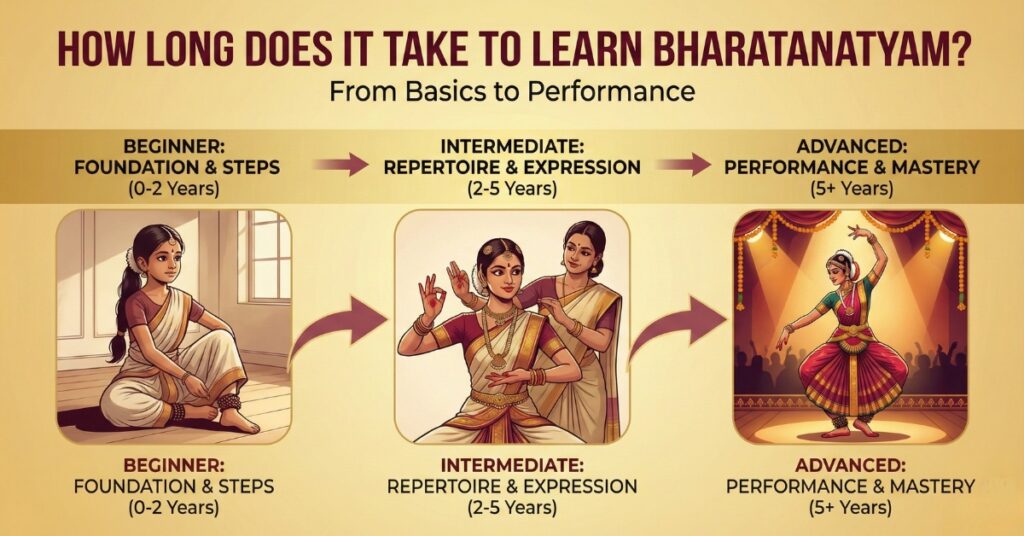
How Long Does It Take to Learn Bharatanatyam? Summary: This guide breaks down the realistic timeline for learning Bharatanatyam, from mastering basic steps to performing a solo debut (Arangetram). It explores the different stages of learning—beginner, intermediate, and advanced—and discusses key factors that influence your progress, such as practice consistency, age, and individual goals. Whether you are learning for fitness or professional performance, this article helps set the right expectations for your dance journey. One of the most common questions aspiring dancers ask is, “When will I be ready to perform?” In a world of crash courses and instant results, Bharatanatyam remains a steadfast exception. It is not just a dance; it is a discipline that requires patience, endurance, and dedication. While there is no single finish line, the journey can generally be mapped out in distinct phases. Understanding these milestones will help you stay motivated and set realistic goals. 1. The Foundation Phase (0 to 1 Year) The first year is often the most physically demanding but also the most crucial. During this time, you are not just learning steps; you are retraining your body to hold the fundamental posture. What You Will Learn? Adavus (Basic Steps): There are roughly 60 to 100 distinct steps divided into families (like Tatta, Natta, Mandi). You will spend months perfecting the rhythm and geometry of these movements. Posture (Araimandi): Developing the strength to hold the half-sit posture for extended periods without compromising your back or knees. Hastas (Hand Gestures): Memorizing the single and double-hand gestures that form the alphabet of the dance. Goal: By the end of year one, you should be able to execute the basic adavus with correct rhythm (Talam) and posture. 2. Building the Repertoire (Years 2 to 4) Once your foundation is strong, you will begin learning the Margam (the traditional repertoire). This is where the dance transforms from repetitive drills into fluid artistic expression. The Items You Will Master Alarippu: An invocation piece that warms up the body and focuses on rhythm. Jatiswaram: A pure dance piece (Nritta) that combines complex adavu patterns with musical notes. Shabdam: Your introduction to Abhinaya (expression), where you begin to interpret lyrics and tell stories through facial expressions and hand gestures. Varnam: The centerpiece of Bharatanatyam. This is a demanding item that tests your stamina, combining intricate footwork with deep emotional storytelling. Goal: By the end of this phase, you will have the stamina to dance for 20-30 minutes continuously and the ability to convey basic emotions. 3. The Road to Arangetram (Years 5 to 7+) For many, the Arangetram (solo stage debut) is the ultimate milestone. It signifies that the student is now capable of performing a full concert solo. Preparation for Debut Reaching this stage typically takes a minimum of 5 to 7 years of consistent training (at least 2-3 times a week). The preparation for the event itself is intense, often requiring 6 to 12 months of daily practice to build the endurance needed for a 2-hour performance. Note: An Arangetram is not a “graduation” in the sense that learning stops; rather, it is a commencement of your journey as a serious artist. 4. Factors That Influence Your Timeline The “5 to 7 years” rule is an average, not a law. Several factors can speed up or slow down your progress. Frequency of Practice A student who practices 15 minutes daily will progress significantly faster than one who attends a 2-hour class once a week but never practices at home. Muscle memory is built through repetition, not just instruction. Age and Fitness Level Children: Often have better flexibility but may take longer to grasp the subtle emotional nuances (Abhinaya). Adults: Often understand the theory and emotions faster but may need more time to condition their bodies for the deep knee bends (Araimandi). Your Personal Goals Not everyone aims for an Arangetram. If your goal is fitness, cultural connection, or stress relief, you can feel a sense of accomplishment within just a few months of mastering the basics. 5. Can You Learn Faster? While you cannot rush art, you can optimize your learning. Private Lessons: One-on-one attention can correct errors immediately, preventing bad habits from setting in. Listening to Carnatic Music: Familiarizing yourself with the music structure helps you understand the rhythm (Talam) intuitively, saving time in class. Supplemental Fitness: Yoga and Pilates complement Bharatanatyam perfectly by building the core strength and flexibility required for the dance. Embracing the Endless Rhythm of Learning! So, how long does it take to learn Bharatanatyam? To learn the basics, it takes a year. To perform a debut, it takes roughly six years. To master the art? It takes a lifetime. The beauty of Bharatanatyam lies in the fact that there is always more to discover—a new mythological story to interpret, a complex rhythm to master, or a deeper emotional layer to uncover. The joy is found not in the finish line, but in every step of the dance. If you are ready to embark on this endless journey, finding the best bharatanatyam classes near Dubai Marina is the perfect place to start your training. More than 2 results are available in the PRO version (This notice is only visible to admin users) Most Recent Posts All Posts Bharatanatayam Blog Bollywood kathak Zumba How Long Does It Take to Learn Bharatanatyam? Stepping into Grace: A Beginner’s Guide to Learning Bharatanatyam in Dubai How to Find the Best Zumba Classes in Dubai? Category Bharatanatayam (9) Blog (46) Bollywood (8) kathak (38) Zumba (13) Explore Our Services Join our fun and engaging dance, music, and art classes for all ages! Explore More
Stepping into Grace: A Beginner’s Guide to Learning Bharatanatyam in Dubai
Stepping into Grace: A Beginner’s Guide to Learning Bharatanatyam in Dubai Summary: This comprehensive guide offers a roadmap for beginners wishing to learn Bharatanatyam in Dubai. It covers the essential foundations of the dance form, practical advice on finding the right Guru in neighborhoods like Karama and Bur Dubai, and what to expect during the first six months of training. Additionally, the guide provides local tips on sourcing dance gear from Meena Bazaar, balancing practice with a busy expat lifestyle, and understanding the physical and mental benefits of this ancient art form. Dubai is a city where tradition meets the future, and nowhere is this more evident than in its thriving arts scene. Among the many classical dance forms practiced in the UAE, Bharatanatyam—the ancient South Indian dance known for its geometric precision, expressive storytelling, and spiritual depth—stands as one of the most popular. Whether you are looking to reconnect with your heritage or seeking a disciplined way to improve fitness and focus, this guide will walk you through the journey of starting Bharatanatyam in the heart of the Middle East. 1. Understanding the Foundations Before you lace up your ghungroos (dancing bells), it is essential to understand what you are embarking upon. Bharatanatyam is more than just movement; it is a “visual music.” The dance is built on three main pillars: Nritta: Pure technical dance with rhythmic patterns. Nritya: Expressive dance where the dancer conveys emotions and stories. Natya: The dramatic element or storytelling aspect. As a beginner in Dubai, you will likely start with the Araimandi (the half-sit posture), which is the foundation of almost every movement. Be prepared: it’s a serious workout for your core and thighs! 2. Finding the Right Guru in Dubai In the world of Indian classical dance, the Guru-Shishya Parampara (teacher-student tradition) is sacred. Dubai is home to world-class performers and seasoned instructors from renowned institutions like Kalakshetra. How to Choose a School Affiliation: Check if the school is affiliated with recognized boards (like Gandharva Mahavidyalaya or Alagappa University) if you wish to pursue certifications and exams. Style (Bani): Research different styles such as Pandanallur, Kalakshetra, or Vazhuvoor. Most schools in Dubai favor the Kalakshetra style for its linear geometry and discipline. Trial Classes: Most studios in areas like Al Karama, Bur Dubai, and Al Nahda offer trial sessions. Use these to gauge the teacher’s patience and technical expertise. Pro Tip: Look for schools that participate in local festivals like the Dubai Shopping Festival or Global Village, as these provide students with vital stage experience. 3. What to Expect in Your First 6 Months The initial phase of learning is repetitive but rewarding. You won’t be wearing a silk saree and heavy jewelry on day one. The Curriculum of a Beginner The Tattadavi: Learning to strike your feet in rhythm. Mudras: Memorizing the Asamyuta Hastas (single-hand gestures) and Samyuta Hastas (double-hand gestures). Shlokas: Learning the “Natya Shastra” verses that explain the importance of eyes, hands, and heart in dance. 4. Essential Gear and Attire Dubai has several specialty stores, particularly in the Meena Bazaar area, where you can find dance essentials. Shopping List for New Dancers Practice Uniform: For classes, beginners usually wear a cotton dance sari or a comfortable Salwar Kameez with a dupatta tied firmly around the waist to support the lower back. Ghungroos: Do not buy these immediately. Wait for your teacher’s go-ahead. Typically, beginners start with two or three rows of bells. Yoga Mat: Many Dubai studios have wooden or tiled floors; a mat is helpful for the initial warm-up and stretching exercises. 5. Balancing Practice with a Dubai Lifestyle We know life in Dubai is fast-paced. Between work commutes and social commitments, finding time to practice can be tough. Strategies for Success Consistency over Intensity: 15 minutes of Araimandi practice daily at home is better than a single 3-hour marathon once a week. Utilize Community Centers: Many residential towers in Dubai have multipurpose rooms. These are perfect spots to practice your adavus (steps) without disturbing your neighbors. Attend Local Performances: Follow organizations like the Indian Consulate in Dubai or Dubai Opera. Watching seasoned artists perform is one of the best ways to “absorb” the grace and nuances of the form. 6. The Health and Mental Benefits Why choose Bharatanatyam over a standard gym membership? Physical Conditioning: It improves flexibility, stamina, and balance. Mental Sharpness: Memorizing complex rhythmic patterns (Talam) acts as a “brain gym.” Stress Relief: The focus required for Abhinaya (expression) acts as a form of moving meditation, helping you disconnect from the “hustle culture” of the city. Finding Your Rhythm in the Heart of the UAE! Enrolling in the best bharatanatyam classes in Dubai is a beautiful way to find a “home away from home.” It connects you to a global community of artists while providing a disciplined anchor in your busy life. The first step is always the hardest—literally! But once you master that first Tattadavu, you aren’t just dancing; you are carrying forward a legacy that is thousands of years old. More than 2 results are available in the PRO version (This notice is only visible to admin users) Most Recent Posts All Posts Bharatanatayam Blog Bollywood kathak Zumba Stepping into Grace: A Beginner’s Guide to Learning Bharatanatyam in Dubai How to Find the Best Zumba Classes in Dubai? Zumba Benefits: Transform Your Body, Skin, Weight, and Health Category Bharatanatayam (3) Blog (45) Bollywood (8) kathak (38) Zumba (13) Explore Our Services Join our fun and engaging dance, music, and art classes for all ages! Explore More
How Bharatanatyam Promotes Mental Health and Discipline?
How Bharatanatyam Promotes Mental Health and Discipline? Summary: Bharatanatyam is not only a classical Indian dance form — it is a powerful practice that nurtures emotional balance, focus, confidence, and inner discipline. Through rhythmic movement, storytelling, breath control, and structured training, it strengthens both the body and the mind, helping students develop resilience, self-awareness, and mental clarity at every stage of life. Stress, distraction, and emotional fatigue have become common challenges — especially for children and working professionals. While many people turn to fitness classes or meditation for relief, classical art forms like Bharatanatyam offer something deeper and more holistic. Bharatanatyam integrates movement, music, expression, spirituality, and mindfulness. Practicing it regularly can improve mental health, build inner strength, and cultivate discipline that extends far beyond the dance studio. Let’s explore how this ancient art form contributes to emotional well-being and personal growth. 1. Bharatanatyam Encourages Emotional Expression and Release At the heart of Bharatanatyam lies Bhava — the language of emotion. Through carefully structured gestures, facial expressions, and storytelling, dancers express joy, devotion, sadness, compassion, and courage. Instead of suppressing emotions, students learn to channel them constructively. This process reduces emotional tension, promotes emotional awareness, allows healthy self-expression, and builds empathy toward others. For children and teenagers who often struggle to articulate feelings, Bharatanatyam offers a safe, artistic outlet that strengthens emotional intelligence. 2. Improves Focus, Memory, and Cognitive Skills Each performance requires coordination between rhythm (tala), melody (raga), steps (adavus), gestures (mudras), timing, and storytelling. Learning to synchronize all these layers trains the brain like a mental workout. Students must remember complex patterns, transitions, and cues — improving memory retention and concentration. Over time, this helps them stay more focused in academics, work, and daily life. Many parents notice that children who practice Bharatanatyam become more attentive, organized, and patient in school. 3. Builds Self-Confidence and Stage Presence Performing on stage is a powerful confidence-building experience. Students learn how to stand tall, maintain posture, stay composed, and project their presence to an audience. This sense of achievement gradually reduces shyness and boosts self-belief. Even introverted students begin to feel more comfortable speaking, presenting, and participating in public activities. The discipline of rehearsal and positive encouragement from teachers help students develop healthy self-esteem grounded in effort — not comparison. 4. Encourages Discipline and Consistency Bharatanatyam training is structured and methodical. Students repeat foundational steps, refine details, and strive for precision over time. This cultivates regular practice habits, respect for guidance, patience, perseverance, and responsibility toward commitments. These qualities naturally translate into academic success, work ethic, and personal integrity. Discipline learned through dance becomes a lifelong strength. 5. Reduces Stress Through Movement and Mindfulness The rhythmic footwork, breathing patterns, and musical flow create a calming effect similar to meditation. When dancers immerse themselves in choreography, their minds become present in the moment. This mindful state helps reduce anxiety, slow racing thoughts, improve emotional regulation, and promote relaxation after a hectic day. Bharatanatyam also releases endorphins — natural “feel-good” hormones — which lift mood and combat stress. 6. Enhances Body Awareness and Posture Mental health is closely connected to how we carry ourselves. Bharatanatyam focuses on spinal alignment, grounded stance, coordinated movement, and balanced footwork. Students become more aware of how they move, breathe, and hold tension. Improved posture boosts confidence and lowers physical strain, preventing fatigue, back issues, and stress-related discomfort. 7. Strengthens Cultural Identity and Belonging Bharatanatyam connects students to a rich heritage of mythology, music, and tradition. Learning stories of devotion, courage, and morality helps build values and inner grounding. For children growing up away from their cultural roots, it creates a sense of identity and pride — an important foundation for emotional stability and self-acceptance. 8. Encourages Social Connection and Team Spirit Dance classes create a supportive community. Students rehearse together, encourage one another, and celebrate achievements. This environment reduces loneliness, builds friendships, teaches teamwork, and nurtures mutual respect. Supportive peer relationships are essential for mental well-being, especially during adolescence. 9. A Positive Alternative to Screen Time With increasing exposure to phones and gadgets, many children struggle with distraction and restlessness. Bharatanatyam offers a constructive alternative — engaging the mind and body creatively. It shifts attention away from screens and toward purposeful learning. 10. A Lifelong Practice for Inner Balance Unlike many hobbies that fade over time, Bharatanatyam can be practiced at any age. Whether one continues professionally or simply dances for joy, the lessons of discipline, expression, and mindfulness remain. It becomes a lifetime companion that supports inner peace and personal growth. Bharatanatyam as a Path to Balance and Growth Bharatanatyam is more than performance — it is a journey toward clarity, resilience, and emotional strength. By combining art, tradition, and mindful practice, it nurtures both mental health and disciplined living. For students and families exploring authentic training, enrolling with experienced teachers — such as thebest bharatanatyam classes near Jumeirah Park, Dubai — can provide the right guidance, structure, and inspiration to grow confidently through dance. Bharatanatyam reminds us that when the mind, body, and heart move in harmony, life becomes more centered, meaningful, and deeply fulfilling. Get AI Insights on This Post: CHat – gpt Perplexity Google AI Grok More than 2 results are available in the PRO version (This notice is only visible to admin users) Most Recent Posts All Posts Blog Bollywood kathak Zumba How Bharatanatyam Promotes Mental Health and Discipline How to Choose the Right Bharatanatyam Classes in Dubai How to Improve Footwork and Body Posture in Bharatanatyam Category Blog (42) Bollywood (8) kathak (37) Zumba (11) Explore Our Services Join our fun and engaging dance, music, and art classes for all ages! Explore More
How to Choose the Right Bharatanatyam Classes in Dubai?
How to Choose the Right Bharatanatyam Classes in Dubai? Bharatanatyam is more than just a dance form — it is a beautiful blend of discipline, devotion, expression, and storytelling. For families and students in Dubai, choosing the right Bharatanatyam class can shape not only technical skills, but also confidence, cultural connection, and lifelong passion for the arts. With so many academies and teachers now offering classical dance programs, it can feel overwhelming to decide where to enroll. The right choice should balance authenticity, safety, structure, and inspiration. In this guide, we’ll explore the key factors to consider before joining Bharatanatyam classes in Dubai so you can make a confident and informed decision. 1. Check the Teacher’s Training and Lineage Bharatanatyam is traditionally passed down through guru–shishya parampara (teacher–student lineage). A well-trained teacher ensures that technique, posture, rhythm, and expressions are taught correctly and respectfully. What to look for: Formal training under a recognized guru or institution Performance experience on reputable stages Knowledge of nritta (pure dance), abhinaya (expression), and theory Ability to break complex movements into simple steps for beginners Don’t hesitate to ask about their background. A good teacher will always be happy to discuss their journey and approach. 2. Review the Curriculum and Learning Structure A strong Bharatanatyam program follows a structured syllabus that gradually builds strength, flexibility, coordination, and expression. A quality curriculum typically includes: Warm-ups and conditioning Basic steps (adavus) Rhythmic exercises Hand gestures (mudras) Facial expressions and storytelling Repertoire items such as Alarippu, Jatiswaram, and Varnam History, theory, and cultural context Avoid classes that rush students into choreography without developing a strong foundation. 3. Class Size and Personal Attention Bharatanatyam requires precise corrections — from foot alignment to hand placement and facial expressions. Smaller batches make a big difference, especially for children. Ideal class sizes: Beginners: 6–10 students Intermediate: up to 12 students If classes are too crowded, students may miss important guidance that shapes long-term progress. 4. Studio Environment and Safety A safe, supportive learning environment encourages students to thrive. Consider: Clean, spacious studio Non-slip flooring Proper ventilation and lighting Injury-free training methods Respectful and inclusive culture A welcoming studio builds confidence — especially for young beginners. 5. Opportunities for Performances and Exams Performances motivate students and build stage presence. Exams and certifications add credibility and structure. Ask whether the academy: Hosts annual shows or cultural events Encourages exam participation through recognized boards Balances performance opportunities without pressure The right exposure helps students grow steadily. 6. Communication with Parents and Students Clear communication builds trust. Look for academies that: Share regular progress feedback Maintain transparent fee structures Offer trial classes Are open to questions A supportive teacher–parent partnership truly enhances learning. 7. Location, Timing, and Consistency Choose a class that comfortably fits your routine to maintain consistency. Consider: Distance and travel time Parking or public transport access Class schedules Flexibility for make-up sessions Convenience plays a big role in long-term commitment. 8. Student Reviews and Word of Mouth Speak to parents and students who have trained at the academy. Observe the confidence and discipline of senior students during performances. Genuine feedback tells you a lot about teaching quality and environment. 9. Trial Class — The Final Deciding Factor Attend a trial session before enrolling. Notice how the teacher explains, corrects posture, and motivates students. Ask yourself: Was the class structured? Did I feel comfortable and encouraged? Did I understand the steps clearly? Your comfort and confidence matter most. Why Choosing the Right Bharatanatyam Class Matters? The right academy does more than teach dance — it shapes character. Students often gain: Better posture and fitness Improved focus and memory Emotional expression and confidence Cultural connection Discipline and grace Bharatanatyam becomes a meaningful journey. Your Path to the Right Bharatanatyam Class! Choosing Bharatanatyam classes in Dubai is an investment in culture, creativity, and personal growth. Whether you are just starting or looking to advance your training, exploring options such as thebest bharatanatyam classes in Jebel Ali Village, Dubai can help you find a school that truly matches your goals and learning style. Visit studios, talk to teachers, watch performances, and trust your instincts. The right environment will nurture both skill and passion. Get AI Insights on This Post: CHat – gpt Perplexity Google AI Grok More than 2 results are available in the PRO version (This notice is only visible to admin users) Most Recent Posts All Posts Blog Bollywood kathak Zumba How to Choose the Right Bharatanatyam Classes in Dubai How to Improve Footwork and Body Posture in Bharatanatyam Key Elements of Bharatanatyam: Bhava, Raga, Tala, Natya Category Blog (41) Bollywood (8) kathak (36) Zumba (11) Explore Our Services Join our fun and engaging dance, music, and art classes for all ages! Explore More
How to Improve Footwork and Body Posture in Bharatanatyam
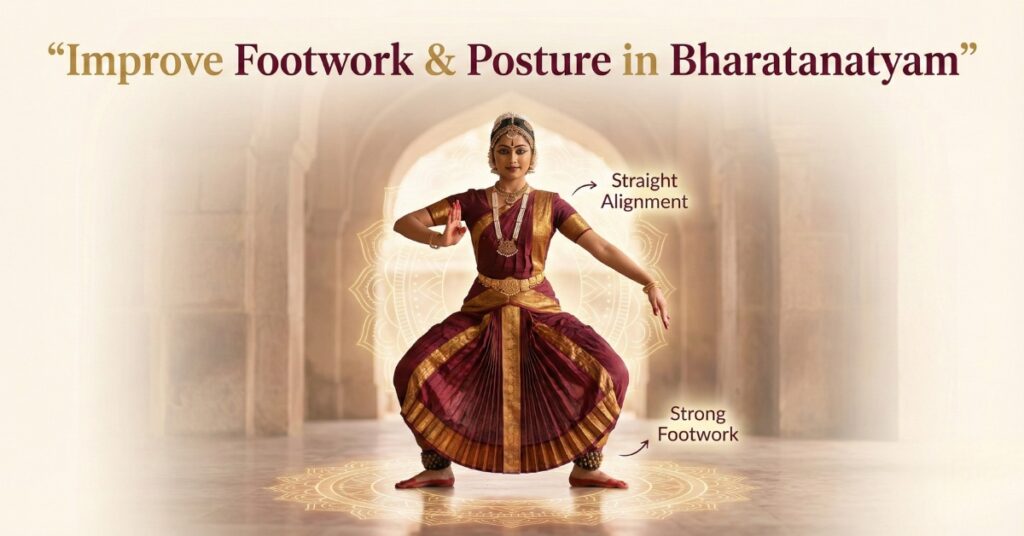
How to Improve Footwork and Body Posture in Bharatanatyam Summary: Strong footwork and proper body posture form the foundation of Bharatanatyam. This blog explains practical techniques, training tips, and mindful habits dancers can use to improve balance, rhythm, alignment, and grace while performing. Bharatanatyam is celebrated for its precision, power, and expressive elegance. Behind every captivating performance lies disciplined training — especially in two core areas: footwork (adavus) and body posture (araimandi and alignment). Good technique not only enhances stage presence, but also prevents injuries, improves stamina, and builds confidence. Whether you are a beginner or refining your skills, understanding how to correctly use your feet and maintain posture can completely transform your dance. Let’s explore simple, effective ways to train smarter and dance with greater strength and beauty. 1. Understanding the Importance of Footwork Footwork in Bharatanatyam forms the rhythmic base of every movement. Each adavu requires clarity — the sound of the anklets should be clean, controlled, and perfectly timed. Clear footwork helps: Maintain rhythm with the tala Support hand gestures and expressions Enhance stage presence Synchronize with music and percussion Practicing slowly first, then increasing speed gradually, allows accuracy to develop without tension. 2. Strengthening the Araimandi (Half-Sitting) Position Araimandi is the classic Bharatanatyam posture: knees turned out, back straight, hips grounded. It may feel difficult initially, but it builds stability and grace. Focus on: Keeping the chest lifted, not collapsing forward Relaxing shoulders instead of tightening Engaging the core muscles for support Short practice sessions held for 20–30 seconds and gradually increasing duration help build endurance safely. 3. Building Rhythm Awareness Even perfect steps lose impact without rhythm. Training your ear to recognize patterns improves control and confidence. Try: Practicing with a metronome or basic tala beats Clapping the rhythm before dancing Counting aloud while performing adavus Rhythm training ensures your feet land precisely and naturally. 4. Training for Balance and Stability Proper posture reduces unnecessary strain on the knees and back. Work on distributing weight evenly between both legs during movements. Useful exercises include: Standing balance holds Slow transitions between poses Controlled turns while focusing on a fixed point Balanced dancers move with calmness rather than struggle. 5. Improving Foot Strength Strong feet help produce sharp, crisp sounds without excessive effort. Simple exercises: Toe lifts and flexes Tapping patterns while seated Practicing barefoot to feel the ground better Over time, these drills enhance support and articulation. 6. Coordination Between Upper Body and Feet Many learners focus so much on steps that hands and expressions lag behind. The goal is harmony. Practice: Adavus first with hands on the waist Then add mudras slowly Finally include expression and eye movements Layering movement trains coordination without overwhelm. 7. Breathing and Relaxation Tension affects posture and rhythm. Controlled breathing keeps movements fluid. Inhale during preparation, exhale through effort — this makes difficult sequences feel lighter and more natural. 8. Using Mirrors and Video Feedback Watching yourself practice helps catch mistakes early: leaning forward, uneven knee positions, or sloppy landings. Record short clips during rehearsals — they reveal details your teacher may correct later. 9. Learning from a Trained Instructor Guidance matters. Personalized feedback prevents habits that become hard to correct later. If you are seeking expert coaching, you may consider exploring the best bharatanatyam classes in Dubai, structured training, posture correction, and systematic adavu practice can accelerate improvement. Building Strength, Grace, and Confidence Through Practice Improving footwork and posture is a journey of patience, repetition, and awareness. With dedicated practice, dancers develop stronger legs, cleaner technique, and a centered presence on stage. Over time, the body remembers alignment naturally — allowing expression, storytelling, and devotion to shine through. FAQs 1. How often should I practice to improve footwork? Practicing 20–30 minutes daily, focusing on accuracy before speed, produces steady improvement. 2. Why does araimandi hurt at first? It uses muscles that are often weak. Gradual strengthening and correct alignment reduce discomfort over time. 3. Should I use anklets while practicing? Yes — they help track rhythm and clarity, but start light and increase weight gradually. 4. How do I avoid knee pain? Keep knees aligned with toes, avoid leaning forward, and warm up before practicing. 5. Can beginners improve posture quickly? Yes — with consistent corrections, core strengthening, and mindful practice, results appear within a few weeks. Get AI Insights on This Post: CHat – gpt Perplexity Google AI Grok More than 2 results are available in the PRO version (This notice is only visible to admin users) Most Recent Posts All Posts Blog Bollywood kathak Zumba How to Improve Footwork and Body Posture in Bharatanatyam Key Elements of Bharatanatyam: Bhava, Raga, Tala, Natya Common Mistakes Beginners Make in Kathak & How to Fix Them Category Blog (40) Bollywood (8) kathak (35) Zumba (11) Explore Our Services Join our fun and engaging dance, music, and art classes for all ages! Explore More
Key Elements of Bharatanatyam: Bhava, Raga, Tala, Natya
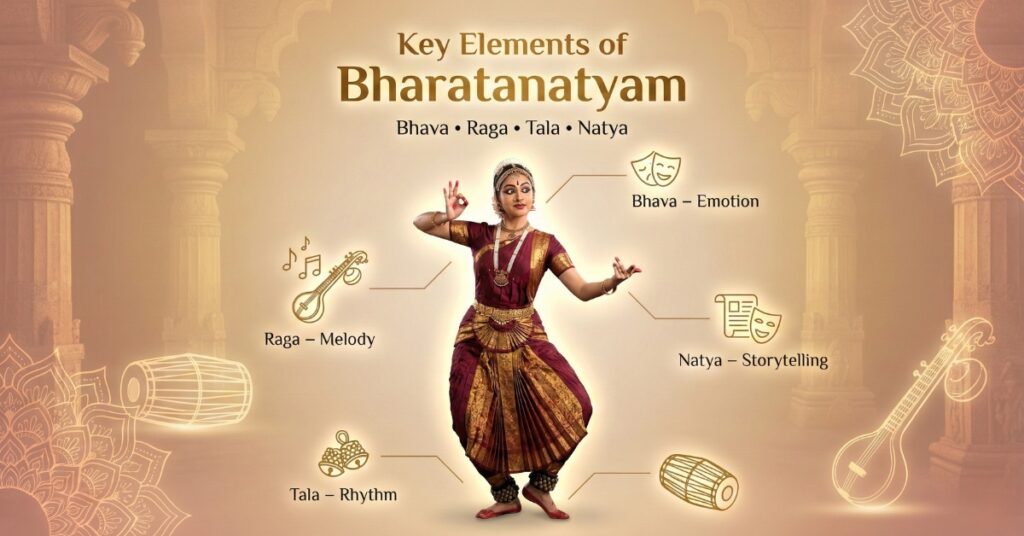
Key Elements of Bharatanatyam: Understanding Bhava, Raga, Tala, and Natya Summary: Bharatanatyam, one of India’s oldest classical dance forms, is built on four essential pillars — Bhava (emotion), Raga (melody), Tala (rhythm), and Natya (dramatic storytelling). Together, they transform movement into an expressive spiritual art. This article explores each element, how they work together, and why they remain central to Bharatanatyam’s timeless beauty. Bharatanatyam is more than a dance — it is a language of devotion, expression, and storytelling. Originating from the temples of Tamil Nadu, this classical art form uses intricate gestures, rhythmic footwork, and expressive facial movements to narrate stories rooted in mythology and human experience. While audiences are often mesmerized by the grace and beauty of the performance, the depth of Bharatanatyam lies in its foundation — Bhava, Raga, Tala, and Natya. These four components shape every movement and meaning in the dance. To truly appreciate Bharatanatyam, it is essential to understand how these elements come together to create the magic on stage. 1. Bhava — The Language of Emotion Bhava refers to the emotions expressed by the dancer. It transforms physical movement into meaningful communication. Through subtle facial expressions, eye movements, and hand gestures (mudras), the dancer conveys love, devotion, anger, courage, compassion, joy, sorrow, and wonder. Bhava is what allows the audience to feel the story, not just watch it. A skilled dancer can move viewers emotionally without speaking a single word. It connects the dancer with the deity, the music, and the audience — making Bharatanatyam deeply spiritual and personal. 2. Raga — The Soulful Melody Raga is the melodic framework of the music used in Bharatanatyam. Rooted in Carnatic classical music, each raga creates a distinct emotional atmosphere. Some ragas evoke serenity and devotion, while others express longing, joy, or dramatic intensity. The dancer interprets the emotional mood of the raga and aligns expressions and movements accordingly. Without raga, Bharatanatyam would lose its emotional depth and resonance. 3. Tala — The Rhythm That Drives the Dance Tala is the rhythmic cycle that structures the entire performance. It dictates when the feet strike the floor, when gestures change, and how movements synchronize with beats. Common talas include Adi Tala, Rupaka Tala, and Misra Chapu.Precise coordination between dancer and percussionist is essential, demanding control, discipline, and stamina. Tala is the heartbeat of Bharatanatyam — steady, powerful, and foundational. 4. Natya — The Art of Storytelling Natya represents drama and theatrical expression. Inspired by the Natyashastra, it blends dance with narrative. Through Natya, dancers portray mythological tales, devotional stories, and universal human emotions. They may shift roles within seconds, becoming a deity, devotee, narrator, or antagonist — all through gesture and expression. Natya transforms Bharatanatyam into a captivating theatrical experience, making every performance feel like a living story. How These Elements Work Together The true beauty of Bharatanatyam emerges when Bhava, Raga, Tala, and Natya blend harmoniously. Bhava expresses emotion.Raga shapes musical mood.Tala creates structure.Natya builds storytelling. If even one element is missing, the performance loses depth. Together, they make Bharatanatyam a powerful fusion of devotion, art, and human expression. Bharatanatyam’s Relevance Today Bharatanatyam continues to evolve while staying rooted in tradition. Modern choreographers explore new themes while respecting its classical grammar. Students across the world are drawn to its discipline, beauty, and spiritual connection. For learners looking to begin their journey, choosing the right training environment is essential. If you’re exploring opportunities, you may want to check out the best bharatanatyam classes in Dubai, here expert guidance and structured learning can make a meaningful difference in your progress. FAQs 1. What makes Bharatanatyam unique among classical dances? Its blend of rhythm, expression, music, and storytelling — guided by Bhava, Raga, Tala, and Natya — gives Bharatanatyam unmatched depth and precision. 2. Is Bharatanatyam always religious? While deeply rooted in devotional themes, it also explores universal human emotions and contemporary subjects. 3. How long does it take to learn Bharatanatyam? Beginners may gain foundation in 3–5 years, but true mastery is a lifelong journey requiring dedication and practice. 4. Can beginners with no dance background learn it? Absolutely — anyone with passion, patience, and discipline can learn Bharatanatyam. 5. Why are Bhava, Raga, Tala, and Natya essential? They provide structure, rhythm, expression, and narrative — without them, Bharatanatyam would lose its identity and emotional depth. Get AI Insights on This Post: CHat – gpt Perplexity Google AI Grok More than 2 results are available in the PRO version (This notice is only visible to admin users) Most Recent Posts All Posts Blog Bollywood kathak Zumba Key Elements of Bharatanatyam: Bhava, Raga, Tala, Natya Common Mistakes Beginners Make in Kathak & How to Fix Them How to Prepare for Your First Kathak Stage Performance: A Complete Beginner’s Guide Category Blog (39) Bollywood (8) kathak (34) Zumba (11) Explore Our Services Join our fun and engaging dance, music, and art classes for all ages! Explore More
Top 10 Bharatanatyam Moves Every Beginner Should Know
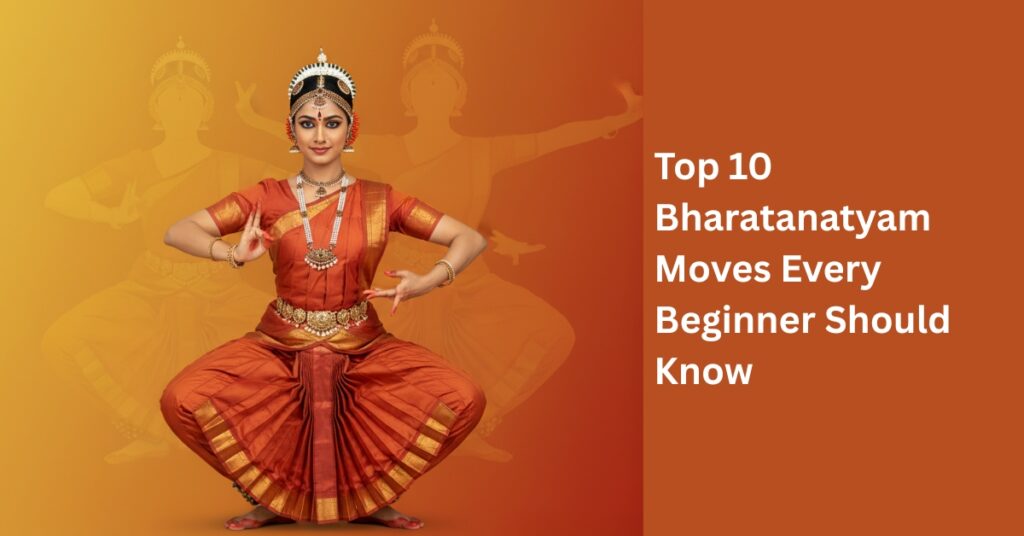
Top 10 Bharatanatyam Moves Every Beginner Should Know Bharatanatyam, one of the oldest classical dance forms of India, is celebrated for its grace, rhythm, and storytelling ability. Originating in Tamil Nadu, this dance form combines intricate footwork, expressive hand gestures (mudras), and captivating facial expressions to narrate stories from Hindu mythology. For beginners, understanding the foundational moves is crucial to mastering Bharatanatyam. Here, we explore the top 10 Bharatanatyam moves that every beginner should know. 1. Aramandi (Half-Sitting Position) Aramandi is the fundamental stance in Bharatanatyam. Also called the half-sitting posture, it strengthens the legs and provides a stable base for all movements. Beginners should focus on keeping the knees bent outward, the back straight, and the feet firmly on the ground. Practicing Aramandi regularly improves balance, stamina, and control, forming the foundation for more advanced steps. 2. Adavu (Basic Steps) Adavu refers to the basic steps or sequences in Bharatanatyam. There are several types of Adavus, including Tatta Adavu, Natta Adavu, and Kuditta Mettu Adavu. Each Adavu combines rhythmic footwork with hand gestures and body movements. Beginners should start with Tatta Adavu, which involves stamping the feet in rhythm while maintaining perfect posture. Adavus are essential as they teach coordination between the hands, feet, and expressions. 3. Mudras (Hand Gestures) Mudras are symbolic hand gestures used to convey emotions, actions, and objects. In Bharatanatyam, there are 28 single-hand mudras (Asamyuta Hastas) and 24 double-hand mudras (Samyuta Hastas). Beginners often start with basic mudras like Pataka, Tripataka, and Ardhapataka. Mastery of mudras allows dancers to narrate stories and express emotions effectively, making them a vital part of the learning process. 4. Kuditta Mettu (Jumping Step) Kuditta Mettu is a dynamic step that adds energy to the performance. It involves a controlled jump while maintaining the Aramandi position. Beginners should focus on keeping rhythm, landing softly, and coordinating hand movements with the footwork. Practicing Kuditta Mettu enhances agility, timing, and coordination, essential skills for advancing in Bharatanatyam. 5. Tattu Mettu (Stamping Step) Tattu Mettu is one of the earliest steps taught to beginners. It involves stamping the feet in a rhythmic pattern while maintaining Aramandi. This step helps in understanding rhythm, balance, and the synchronization of body and foot movements. Regular practice of Tattu Mettu improves leg strength and builds confidence in executing complex sequences later on. 6. Natta Adavu (Traveling Step) Natta Adavu is a graceful traveling step that helps dancers move across the stage while maintaining elegance and rhythm. Beginners learn to coordinate their footwork with hand gestures, maintaining posture and fluidity. This step is essential for performing sequences that require movement across different areas, making the performance visually appealing. 7. Kapitthaka (Expressive Gesture) Kapitthaka is a mudra used to express various emotions and objects. In combination with facial expressions, it helps in storytelling. Beginners should practice Kapitthaka along with basic adavus to understand how hand gestures integrate with footwork. Mastering this gesture enhances the dancer’s ability to communicate emotions effectively, a key element in Bharatanatyam. 8. Chakkar (Spinning Step) Chakkar involves controlled spinning, often used to transition between movements or add dramatic effect. For beginners, practicing Chakkar improves balance, concentration, and spatial awareness. The key is to maintain posture, spot the direction of rotation, and synchronize spins with the rhythm of the music. Over time, Chakkar adds grace and fluidity to the performance. 9. Hasta Mudras Combinations Beyond individual mudras, combinations of hand gestures are equally important. Beginners learn to combine different mudras with Adavus to convey specific stories or emotions. Practicing these combinations develops hand coordination, rhythm, and expressiveness, enabling dancers to create visually captivating sequences. 10. Abhinaya (Expressive Dance) Abhinaya is the art of expression in Bharatanatyam. It involves facial expressions, eye movements, and gestures to convey emotions and narratives. Beginners are encouraged to practice Abhinaya alongside basic steps and mudras. Understanding Abhinaya allows dancers to connect with the audience, transforming technical movements into expressive storytelling. Building a Strong Bharatanatyam Foundation Learning Bharatanatyam is a journey that requires patience, dedication, and consistent practice. Starting with foundational moves like Aramandi, basic Adavus, and mudras ensures a strong base for more advanced techniques. Each step, gesture, and expression plays a vital role in building the elegance and rhythm characteristic of this classical dance form. By mastering these top 10 moves, beginners not only gain technical skills but also develop the confidence and poise to perform Bharatanatyam gracefully. With regular practice and guidance from the best bharatanatyam dance classes classes in Dubai, the journey from beginner to proficient dancer becomes an enriching and transformative experience. Get AI Insights on This Post: CHat – gpt Perplexity Google AI Grok More than 2 results are available in the PRO version (This notice is only visible to admin users) Most Recent Posts All Posts Blog Bollywood kathak Zumba Famous Dance Forms Around the World – Copy Famous Dance Forms Around the World Traditional vs. Modern Dance Forms: Understanding the Differences Category Blog (28) Bollywood (6) kathak (23) Zumba (9) Explore Our Services Join our fun and engaging dance, music, and art classes for all ages! Explore More
