Costume for Kathak Dance: A Blend of Tradition and Elegance
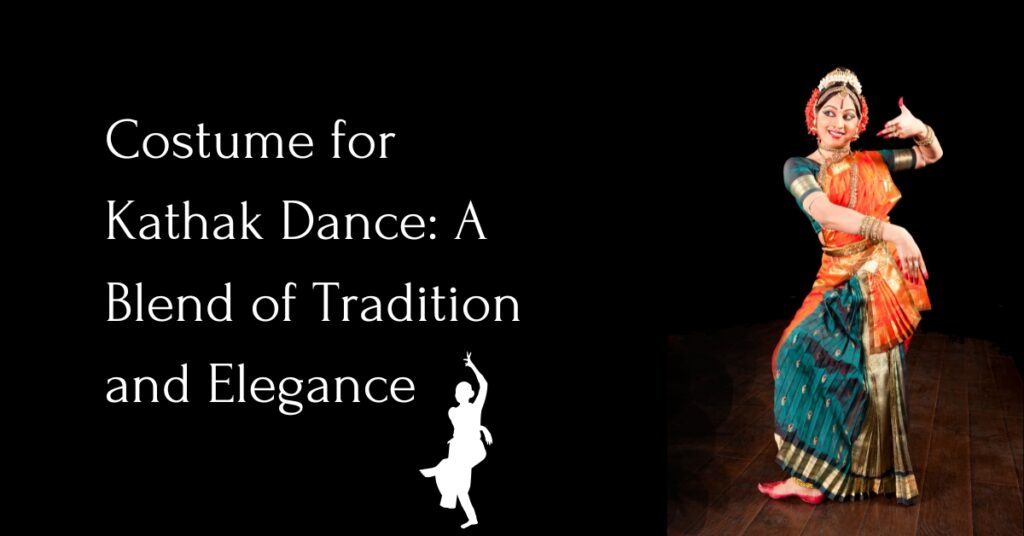
Costume for Kathak Dance: A Blend of Tradition and Elegance Kathak, one of the eight classical dance forms of India, is known for its intricate footwork, graceful movements, and expressive storytelling. A significant element that enhances the beauty of Kathak is its costume. Over the centuries, the attire worn by Kathak dancers has evolved, reflecting the cultural and historical influences of different eras. This article delves into the traditional and contemporary costumes of Kathak, their significance, and how they contribute to the overall performance. Traditional Kathak Costumes for Women The traditional attire for female Kathak dancers includes two primary styles: Lehenga-Choli and Anarkali Suit. Lehenga-Choli This consists of a long, flared skirt (lehenga) paired with a fitted blouse (choli) and a flowing dupatta. The lehenga allows for free movement and enhances the visual appeal of spins and twirls. Anarkali Suit Inspired by Mughal fashion, this costume features a long, frock-style tunic (Anarkali) with fitted leggings (churidar). This outfit adds elegance to the dancer’s posture and movements. Both styles are often adorned with intricate embroidery, mirror work, and embellishments, adding to the richness of the performance. Traditional Kathak Costumes for Men Male Kathak dancers wear a more straightforward yet regal ensemble, typically consisting of: Kurta and Churidar A long, flared tunic (kurta) paired with tight-fitting leggings (churidar). The churidar has pleats near the ankles, which create a rhythmic effect during footwork. Angarkha Some male dancers wear an Angarkha, a traditional upper garment that adds a Mughal-era charm. Dupatta or Waistband A sash or dupatta is often tied around the waist, enhancing the dancer’s posture and elegance. Color and Fabric Choices Kathak costumes are traditionally made of luxurious fabrics like silk, brocade, and georgette, allowing graceful movement while performing. The colors of the costumes often carry symbolic meaning: Red and Gold: Symbolizing energy and prosperity Blue and Silver: Representing calmness and grace White and Pastels: Often used for spiritual or subtle performances Jewelry and Accessories Kathak dancers wear traditional jewelry to enhance their appearance and complement their costumes. Some essential ornaments include: Earrings (Jhumkas): Dangling earrings that add charm to facial expressions Necklaces: Ranging from chokers to long, beaded chains Bangles and Armlets: Emphasizing hand movements Anklets with Ghungroos: A crucial accessory, ghungroos (bells) produce rhythmic sounds that align with the footwork Makeup and Hairstyle Makeup plays a vital role in Kathak performances, as it highlights the dancer’s facial expressions and enhances stage presence. Typically, Kathak dancers use: Bold Eye Makeup: Dark kohl and eyeliner to emphasize eye movements Red Bindi: A traditional mark on the forehead Lipstick and Blush: Enhancing facial features For hairstyles, female dancers often tie their hair in a bun adorned with flowers or decorative hair pins, while male dancers usually keep their hair neatly tied back. Contemporary Trends in Kathak Costumes In modern times, Kathak costumes have evolved with changing fashion trends. Designers experiment with lighter fabrics, fusion styles, and minimalistic embroidery while keeping the essence of the traditional attire intact. Some dancers even customize their costumes to reflect their unique artistic expression. Elevating Performance with the Perfect Kathak Costume The costume of a Kathak dancer is more than just an outfit; it is a vital part of the dance that enhances storytelling, movement, and expression. Whether traditional or contemporary, Kathak costumes continue to exude elegance, cultural richness, and a timeless charm that captivates audiences worldwide. If you are a Kathak enthusiast, choosing the right costume can elevate your performance and bring out the true spirit of this classical dance form. Check out the best Kathak dance classes in Dubai to enhance your skills and immerse yourself in this beautiful art form. More than 2 results are available in the PRO version (This notice is only visible to admin users) Most Recent Posts All Posts kathak Importance of Ghungroo in Kathak Dance Costume for Kathak Dance: A Blend of Tradition and Elegance Types of Mudras in Kathak: The Language of Hand Gestures in Dance Category kathak (3) Explore Our Services Join our fun and engaging dance, music, and art classes for all ages! Explore More
Types of Mudras in Kathak: The Language of Hand Gestures in Dance
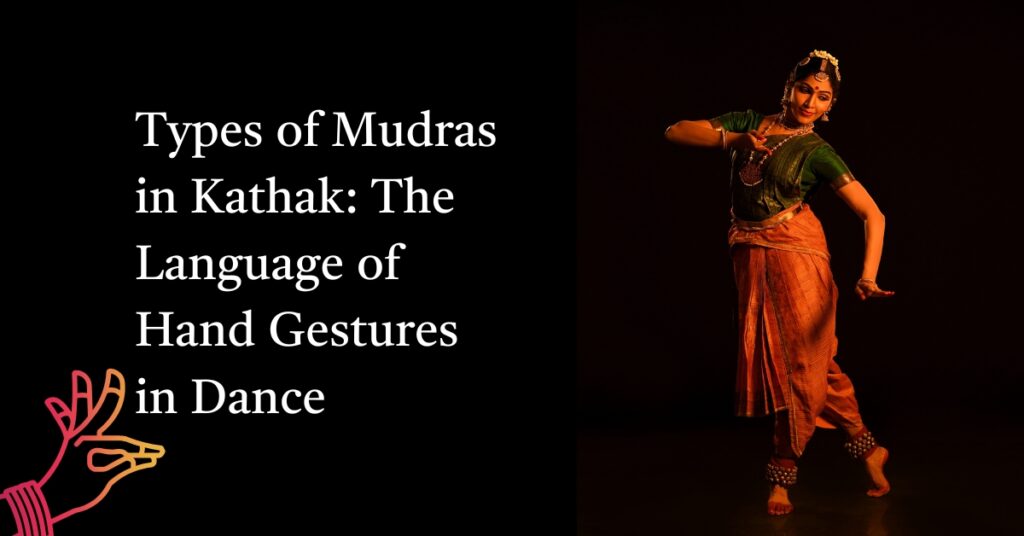
Types of Mudras in Kathak: The Language of Hand Gestures in Dance Kathak is a classical Indian dance form that originated in North India. It beautifully combines intricate footwork, graceful movements, and expressive storytelling. One of the most vital aspects of Kathak is the use of mudras (hand gestures), which help dancers convey emotions, stories, and concepts. These symbolic gestures enhance the dancer’s storytelling abilities, allowing them to communicate without words. Mudras also add visual beauty and depth to the performance, connecting the dancer with the audience on a profound level. In Kathak, mastering mudras is essential for expressing cultural narratives and emotions that define this captivating dance style. What Are Mudras in Kathak? Mudras are symbolic hand gestures integral to various Indian classical dance forms, including Kathak. These intricate hand positions hold specific meanings and help communicate various emotions, elements, and stories. Each mudra has a unique significance, representing deities, animals, elements of nature, or human emotions. These gestures allow dancers to tell stories, express feelings, and convey intricate details without verbal communication. Mudras serve as a cornerstone of expression in Kathak and other classical Indian dances like Bharatanatyam and Odissi. Through precise positioning of fingers, palms, and wrists, dancers create a language that transcends speech, connecting with audiences on a deeper level. Categories of Kathak Mudras Kathak mudras, or hand gestures, are classified into two main categories: 1. Asamyukta Hastas (Single-Hand Gestures) These are mudras performed using only one hand. Each mudra represents a specific emotion, object, or idea individually. There are 28 primary Asamyukta Hastas in classical Indian dance. 2. Samyukta Hastas (Double-Hand Gestures) These are combined-hand gestures, where both hands work together to form a meaningful expression. These mudras are used for storytelling and more elaborate expressions, making them crucial in Kathak performances. Both categories of mudras are essential for expressing emotions, portraying characters, and narrating stories in Kathak. What Are the Different Types of Mudras in Kathak? Here are some of the most commonly used Asamyukta and Samyukta Hastas in Kathak, along with their meanings and significance: 1. Pataka (Flag) Formation: All fingers are stretched straight and close together, with the thumb slightly bent inward. Meaning: Represents clouds, trees, mountains, or victory. Usage in Kathak: Dancers use Pataka to depict grandeur, blessings, or natural elements. 2. Tripataka (Three-Part Flag) Formation: The ring finger is bent while the other fingers remain straight. Meaning: Represents fire, thunder, or a crown. Usage in Kathak: Used to depict deities, flames, or weapons. 3. Ardhapataka (Half-Flag) Formation: The little finger is bent while the rest of the fingers remain straight. Meaning: Symbolizes leaves, rivers, and bridges. Usage in Kathak: Used for storytelling elements involving nature and flow. 4. Katakamukha (Opening of a Bracelet) Formation: The index and middle fingers are brought close to the thumb, forming a shape similar to a bird’s beak. Meaning: Represents plucking flowers, speaking, or a bird. Usage in Kathak: Often used for delicate and graceful movements. 5. Kartarimukha (Scissors Face) Formation: The index and middle fingers form a scissor-like shape, while the thumb supports them. Meaning: Depicts separation, lightning, or cutting. Usage in Kathak: Used to symbolize sharpness, division, or transformation. 6. Ardhachandra (Half-Moon) Formation: The thumb is extended outward while the other fingers remain together. Meaning: Represents the moon, offering, or a shield. Usage in Kathak: Used to depict celestial elements or divine presence. 7. Mayura (Peacock) Formation: The tip of the ring finger touches the thumb while the other fingers are extended. Meaning: Represents a peacock, beauty, or a tilak (forehead mark). Usage in Kathak: Used in dances that depict elegance and nature. 8. Hamsasya (Swan’s Beak) Formation: The thumb and index finger touch lightly, forming a shape resembling a swan’s beak. Meaning: Symbolizes grace, pearls, or delicate objects. Usage in Kathak: Used in expressive movements involving beauty and refinement. 9. Mukula (Flower Bud) Formation: All fingers are brought together and slightly curved. Meaning: Represents a lotus bud, eating, or a small object. Usage in Kathak: Used in dance sequences that depict nature and blooming beauty. 10. Anjali (Offering) Formation: Both hands are brought together in a prayer-like gesture. Meaning: Represents offering, prayer, or salutation. Usage in Kathak: Used at the beginning or end of a dance as a mark of respect. 11. Kapitta (Holding a Flower) Formation: The index finger and thumb form a circular shape, while the other fingers are curved inward. Meaning: Symbolizes grasping, offering, or Lakshmi (the goddess of wealth). Usage in Kathak: Used to depict offerings or sacred actions. 12. Simhamukha (Lion’s Face) Formation: The index and little fingers are extended, while the middle and ring fingers touch the thumb. Meaning: Represents a lion’s face or a medicinal herb. Usage in Kathak: Used in performances related to strength, power, or animals. The Importance of Mudras in Kathak Mudras in Kathak are more than just aesthetic hand movements; they are an essential part of the storytelling process. They serve multiple purposes: Expressing Emotions: Mudras help dancers depict emotions such as love, anger, fear, or devotion. Narrating Stories: They play a key role in illustrating mythological stories and historical narratives. Representing Nature & Objects: Various natural elements like water, fire, wind, and mountains are symbolized through mudras. Depicting Deities & Characters: Hindu gods and goddesses are often represented using specific hand gestures. Enhancing Visual Appeal: The beauty of Kathak performances is heightened through elegant mudra transitions. Mastering Mudras in Kathak Learning and perfecting mudras requires dedicated practice and guidance. Some key points to keep in mind while mastering mudras in Kathak: Precision: Each mudra should be executed correctly to convey its intended meaning. Grace: The movements should be smooth and fluid to maintain the dance’s elegance. Coordination: Mudras must sync with footwork and expressions for a complete performance. Expression (Bhava): The dancer’s facial expressions should complement the mudras for deeper storytelling. Start Your Kathak Journey Today! Mastering mudras is essential for expressing the beauty and depth of Kathak. Whether you’re a beginner or an experienced dancer, understanding these hand
